REVIEW · SAN FRANCISCO
Castro District LGBTQ+ Historic Tour
Book on Viator →Operated by Mick's Bootique Tours · Bookable on Viator
The Castro has a way of grabbing you fast. This 90-minute LGBTQ+ historic walk ties streets, landmarks, and activism into one clear story of how San Francisco became an early gay Mecca. I love how the tour focuses on real neighborhood context, not just plaques. I also like that you’re guided through the timeline with a personable, well-informed leader like Eric Curry, who keeps it engaging.
One thing to consider: two stops are major indoor sites—the Castro Theatre and the GLBT Historical Society Museum—but admission isn’t included, so you’ll mostly be viewing from the outside unless you decide to visit on your own.
In This Review
- Key things to know before you go
- The Castro’s story starts at Harvey Milk Plaza
- Price and logistics: is $39 worth 90 minutes?
- Walking route and timing: what the 3:00 pm start means
- Stop 1: The Castro—shops, bars, and the neighborhood timeline
- Stop 2: Castro Theatre—one of the last 1920s movie palaces
- Stop 3: GLBT Historical Society Museum—original rainbow flag, no ticket needed
- Stop 4: Pink Triangles Memorial Park—remembrance with time to absorb
- Stop 5: Twin Peaks Tavern—early bar life that helped make the Castro
- Guides like Eric Curry: what makes the experience feel worth it
- Practical tips to get the most from the walk
- Should you book the Castro LGBTQ+ Historic Tour?
Key things to know before you go
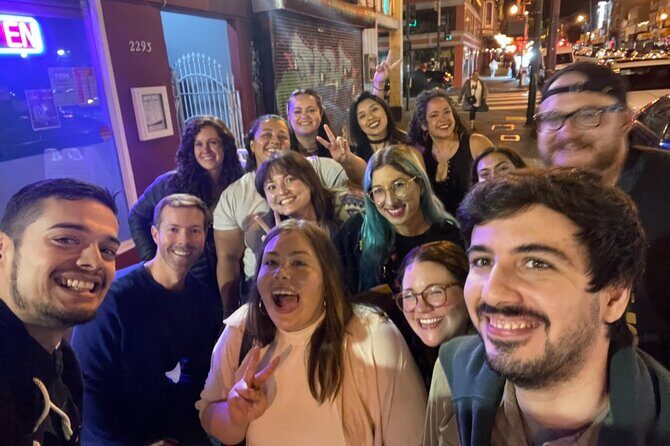
- Small group size (max 10) means more back-and-forth and fewer people to fight for sidewalk space
- Mobile ticket makes it easy to line up on time
- Rainbow flag meaning + the GLBT to LGBT change gets explained in a practical, easy-to-follow way
- Pink Triangles Memorial Park is a powerful stop with a clear WWII-era focus (and time to absorb it)
- You end at The Mix, so you can keep the conversation going with a drink right after
- Two big indoor landmarks aren’t included, so plan for viewing from outside during the walk
The Castro’s story starts at Harvey Milk Plaza
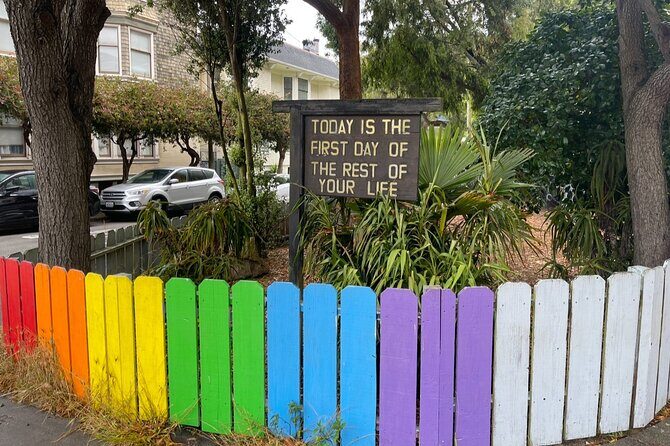
Meeting at Harvey Milk Plaza sets the tone immediately. This isn’t a vague “walk around and take photos” outing. It’s a guided route built around how community, politics, and everyday life braided together on these blocks. If you’ve only heard names like Harvey Milk in passing, you’ll get why he mattered—and how the neighborhood formed around people choosing visibility, safety, and solidarity.
The best part is how the guide connects what you see with what it meant. You’ll hear about the Castro as America’s first gay Mecca, and you’ll also get the broader threads: local businesses that were still part of the community’s foundation, and even the role the US military played in shaping the neighborhood’s formation. That kind of context helps you look at the storefronts, signage, and street layout like they’re evidence, not just scenery.
And yes, the vibe is thoughtful without being heavy-handed. The walk is designed to feel safe and engaging, even if you’re coming solo. (One of the strongest themes from tour feedback is how quickly the guide helps people feel comfortable and included.)
You can also read our reviews of more historical tours in San Francisco


Price and logistics: is $39 worth 90 minutes?
At $39 per person, you’re paying for guided interpretation—someone to connect history to real street corners. You’re not paying for a long bus ride or a museum day. The format is short (about 1 hour 30 minutes) and focused, with a small group cap of 10, which is a big deal for a tour like this. Smaller groups typically mean you spend less time waiting and more time asking questions.
Also, several stops are free to visit during the walk. You’re not just touring from one spot to the next. You’ll get time at key landmarks like Pink Triangles Memorial Park and a neighborhood bar stop, plus the Castro-area street segment where the guide points out meaningful businesses and gathering places.
The only real “watch out” is this: you won’t automatically get inside every ticketed place. The Castro Theatre and the GLBT Historical Society Museum are on the route, but admission is marked as not included. If you’re someone who wants to go in and spend real time inside, you’ll likely want to plan a separate stop later (or be ready to accept that this tour keeps you mostly outside).
Walking route and timing: what the 3:00 pm start means
You start at 3:00 pm at Harvey Milk Plaza. That afternoon timing is useful. It gives you enough daylight for photos and reading plaques, and it keeps the walk away from the most chaotic morning commuter rush.
The route is laid out for pacing: short segments, guided transitions, and time at stops where you can actually look around. The tour runs long enough to build a narrative, but short enough that you’re not exhausted by the time it ends.
You end at The Mix on 18th Street, which is practical. After learning a lot about history and identity—some of it serious—you get an easy option to grab a snack or a drink without scrambling for plans.
Stop 1: The Castro—shops, bars, and the neighborhood timeline
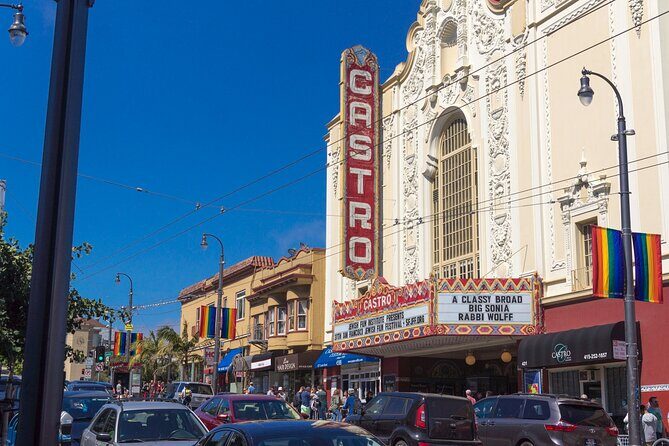
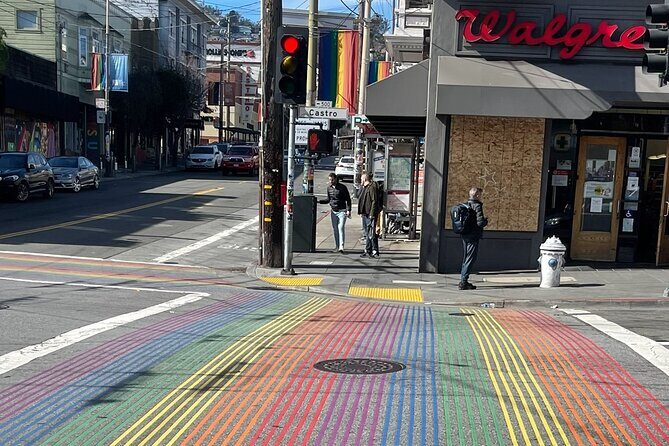
The first stop is basically the heart of the Castro. The guide visits notable points along the neighborhood stretch and uses them to explain why this area became so important. Expect conversation around things like local businesses that helped solidify the Castro’s status and how community life evolved over time.
This is also where you start learning the “how” behind the headline “gay Mecca.” You’ll hear why the neighborhood is more than a single landmark or a single person. It’s the sum of many choices—where people lived, where they gathered, and what they built together so others could feel safer and more visible.
From a practical standpoint, this initial segment is also your chance to get your bearings fast. If you haven’t walked the Castro before, you’ll leave Stop 1 understanding the street geography—where the cultural energy concentrates and why certain buildings and blocks matter.
And based on what the guide is known for, you’ll likely pick up not only the facts, but the human connections—how activism shows up in everyday spaces. One fun example tied to this style of storytelling is a mention like Vulva Cookies, which shows the tour doesn’t treat the neighborhood like a museum piece. It treats it like a living community.
Stop 2: Castro Theatre—one of the last 1920s movie palaces
Next up: the Castro Theatre, described as one of the last historic movie palaces from the 1920s. Even without a ticketed entry during the tour, it’s the kind of landmark that helps you understand the Castro’s cultural role. Movie palaces weren’t just entertainment. They were social hubs where people showed up together—especially in a neighborhood where community gathering could mean safety and belonging.
You get about 10 minutes here. That’s long enough for the guide to point out what makes the building historically significant and to tie it back to LGBTQ+ neighborhood life. But it’s not meant to replace an actual theatre visit or a deeper architecture stop. If you want to see more of the interior (or just linger), budget extra time on your own later.
Tip: treat this stop as your “trigger.” You’ll likely want to do a second look after the walk, especially if old-school movie houses make you nerd out. (They do that to a lot of people.)
You can also read our reviews of more tours and experiences in San Francisco
Stop 3: GLBT Historical Society Museum—original rainbow flag, no ticket needed
This is where symbolism becomes history you can point to. The tour visits the GLBT Historical Society Museum area, and you’ll hear that it’s tied to the original rainbow flag. That’s a big deal, because the rainbow flag isn’t just decoration. It’s a coded message—identity, pride, and solidarity—built to travel across communities.
You don’t enter during the tour (admission isn’t included), but you do get the story framework: why this museum’s location and role matter to the neighborhood narrative. The guide also explains practical details like why the language evolved—such as why people used GLBT and then shifted toward LGBT—and what the rainbow flag colors represent.
This is one of the stops I consider “high learning per minute.” Even from outside, you get enough context to decode what you might otherwise see as just a symbol on a wall or flag pole.
If you’re the type who wants to actually read more, plan to return. But don’t skip the tour stop if you’re curious about meaning. This is a fast way to get the why behind the icon.
Stop 4: Pink Triangles Memorial Park—remembrance with time to absorb
The most emotionally intense stop is Pink Triangles Memorial Park. You’ll spend about 20 minutes here, and the focus is clear: it’s the first public monument honoring around 15,000 gay and lesbian people killed under the fascist Nazi regime during 1933–1945.
This isn’t a quick drive-by. The time matters. It gives you space to process what you’re seeing and to absorb the significance without the “next stop, next stop” rush.
The guide frames this landmark in a way that connects past persecution to later visibility and activism. That connection is part of why this tour feels more meaningful than a casual walking stroll. You’re not only learning local San Francisco history. You’re learning how remembrance can shape community pride and political determination.
If you prefer quieter moments, this is your stop. Let it be slower. Bring your attention here, not your phone.
Stop 5: Twin Peaks Tavern—early bar life that helped make the Castro
Then you finish at Twin Peaks Tavern, one of the first bars on the Castro strip that helped solidify the neighborhood as a gay Mecca. Time here is about 20 minutes, and it’s a smart choice because bars weren’t just for drinks. They were social infrastructure.
For many people, the bar scene helped create community networks: places where newcomers could feel less alone, where ideas circulated, and where local relationships formed. You can think of it as “public life” happening in a safe container.
This stop also keeps the tone balanced. After the memorial stop, you don’t stay in solemn mode. You end with a piece of day-to-day culture—still connected to history, but felt more like present life than past tragedy.
And because the tour ends near The Mix, you’ve got a straightforward option if you want to continue chatting after the walk.
Guides like Eric Curry: what makes the experience feel worth it
A big reason this tour lands well is the guide style. Guides such as Eric Curry are praised for knowing their facts and keeping the story moving. That matters, because a topic like LGBTQ+ history can easily become either a lecture or a random list of sights.
Here, the goal is the timeline—how events link together down the Castro corridor. That’s also why the walk feels smooth. Transitions are handled so you’re not constantly asking, wait, what year is this? You get the sequence, and the sequence helps the details make sense.
There’s also a social comfort factor. If you’re nervous going solo, you’ll likely appreciate the way the guide builds an inclusive environment. One theme is that people feel comfortable quickly when the guide sets the tone from the start.
And yes, the guide’s passion is part of the value. When someone genuinely cares about a place, they tend to notice the small connections you’d miss on your own.
Practical tips to get the most from the walk
- Bring comfortable shoes. You’ll be walking continuously for about 1.5 hours, with stops along the way.
- If you want to go inside the Castro Theatre or the GLBT Historical Society Museum, plan extra time. Admission isn’t included during the tour.
- Watch for the guide’s explanations about the rainbow flag colors and the GLBT vs LGBT language shift. Those make later street symbols easier to read.
- Use the final stretch to ask questions. Ending near The Mix is great for follow-ups when you’re still in the learning mood.
- If you’re sensitive to heavy topics, mentally prepare for the Pink Triangles stop. It’s part of why this tour is powerful.
Should you book the Castro LGBTQ+ Historic Tour?
If you want a guided route that explains how the Castro grew into one of America’s earliest gay Meccas, this is a strong pick. The format works for people who want more than photo stops but don’t have an entire afternoon for a full museum day. You get major landmarks, a clear timeline, and symbolism explained in plain language—plus an end point that makes it easy to keep going.
I’d especially recommend it if you’re:
- Visiting San Francisco for the first time and want neighborhood context fast
- Interested in LGBTQ+ history with real street anchors
- Traveling with someone who likes stories and meaning, not just architecture
- A solo traveler who wants an organized, welcoming format
The main reason not to book: if you only want to enter places with paid admission included, this might feel a bit “outside-focused” at the theatre and museum. But for most people, the guided understanding makes up for it—and it sets you up to visit those interiors on your own afterward, at your pace.
So if you’re aiming for a thoughtful, high-value walk with small group energy and a guide who actually connects the dots, I’d book it.