REVIEW · SAN FRANCISCO
San Francisco: Chinatown Food and History Walking Tour
Book on GetYourGuide →Operated by Gray Line San Francisco · Bookable on GetYourGuide
Chinatown teaches fast—starting at Dragon’s Gate. This 150-minute walking tour mixes famous sights with lesser-noticed details, all led by Joseph with a small group of up to 12. I like two big things right away: the small-group pace (you can actually hear the guide) and the smart mix of food stops and history, from Old Saint Mary’s Cathedral to dim sum at Delicious Dim Sum. One thing to consider: the cookie or traditional pork bun tasting, as well as some specific food options, can depend on availability, so flexibility helps.
You’ll work your way along Stockton Street past busy markets and then through the quieter corners where Chinese decorations and pagoda-style building details stand out. I also like that the tour doesn’t end with food trivia—it connects the dots, from Portsmouth Square’s role in the Gold Rush era and Chinatown’s origin to the practical, hands-on experience at a fortune cookie factory. The tour is lively, but it is still a city walk, so expect to be on your feet most of the time.
Logistics are simple, just pay attention to the meeting spot. Meet 15 minutes early in front of the Dragon’s Gate at the Starbucks located there, and look for the guide in a Gray Line San Francisco uniform. Hotel pickup and drop-off are not included, but the route is built for walking and photo stops, with English interpretation throughout.
In This Review
- Key highlights worth building your day around
- Where the tour begins: Dragon’s Gate and a route that actually makes sense
- Stockton Street, street decorations, and the places you’d skip on your own
- Old Saint Mary’s Cathedral: religion, community, and why the neighborhood has depth
- Eastern Bakery cookies or pork buns (and tea): how to use the tasting time
- Portsmouth Square: the Gold Rush link and Chinatown’s origin story
- Delicious Dim Sum: homemade-style tasting that stands up to the hype
- Fortune Cookie Factory: taste, technique, and the real meaning of the fortune
- What you get for $85: value that comes from structure, not just snacks
- Best fit: who this Chinatown tour suits (and who may not love it)
- Should you book this Chinatown food and history walk?
- FAQ
- FAQ
- Where does the tour meet?
- What time should I arrive?
- How long is the tour?
- How big is the group?
- What language is the tour guide?
- What food is included?
- What are the main stops on the route?
- Is hotel pickup or drop-off included?
- What is the cancellation policy?
- Is there an option to pay later?
Key highlights worth building your day around
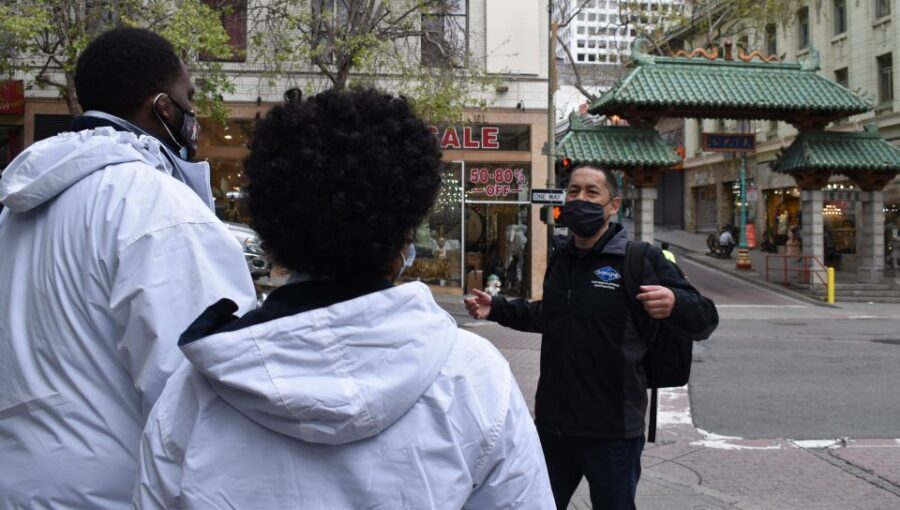
- Dragon’s Gate start with an easy-to-find meeting point and early photo opportunities
- Up to 12 people so you get more back-and-forth with Joseph during the history talk
- Eastern Bakery cookie or pork bun + tea tasting (availability-dependent)
- Delicious Dim Sum for a proper homemade dim sum stop instead of a quick snack
- Portsmouth Square context tying Chinatown’s story to the Gold Rush and early California days
- Fortune Cookie Factory tasting plus a real look at how fortune cookies are made
Where the tour begins: Dragon’s Gate and a route that actually makes sense
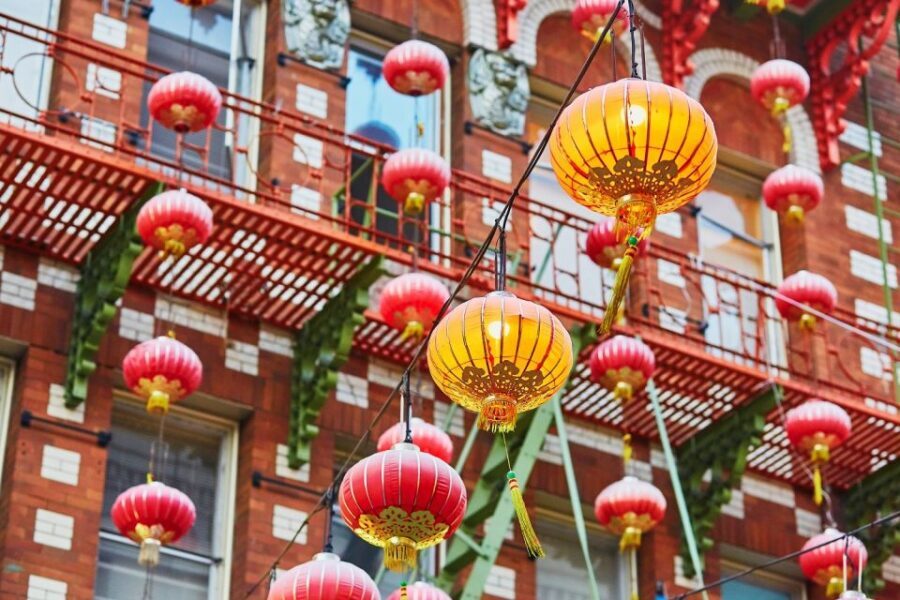
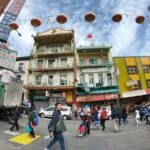
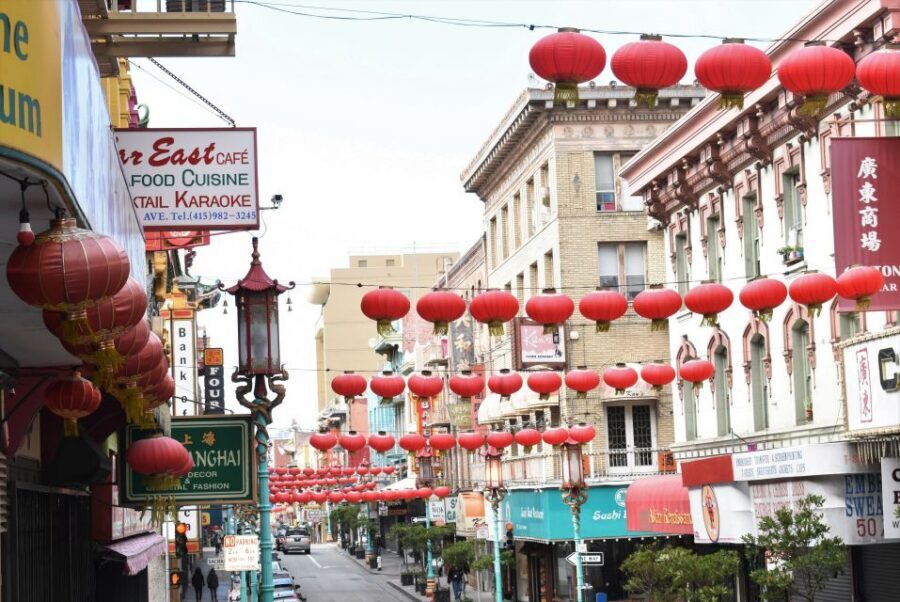
The experience starts at Dragon’s Gate, the ceremonial entrance to San Francisco’s Chinatown, and that choice matters. It’s not just a dramatic photo spot—it’s also where you can get your bearings fast, because the walk immediately explains what you’re looking at and why it’s there. You’ll meet the guide in front of Dragon’s Gate at the Starbucks in that same area, and you’ll know who to look for because the guide wears a Gray Line San Francisco uniform.
From the first minutes, Joseph’s approach comes through in the way he paces the group. Reviews call out that he gives the right amount of detail, and I can see why this works. If you’ve ever done a walking tour where you spend half your time rushing to the next corner, this one feels more like guided storytelling with stops that line up with what you’d notice on your own—just with better context.
This is also where the small group size becomes a real benefit. With a group capped at 12, you’re less stuck behind other people, and it’s easier to hear explanations as you move through the streets. It helps on days when Chinatown is busy and the sidewalks feel full.
You can also read our reviews of more walking tours in San Francisco
Stockton Street, street decorations, and the places you’d skip on your own
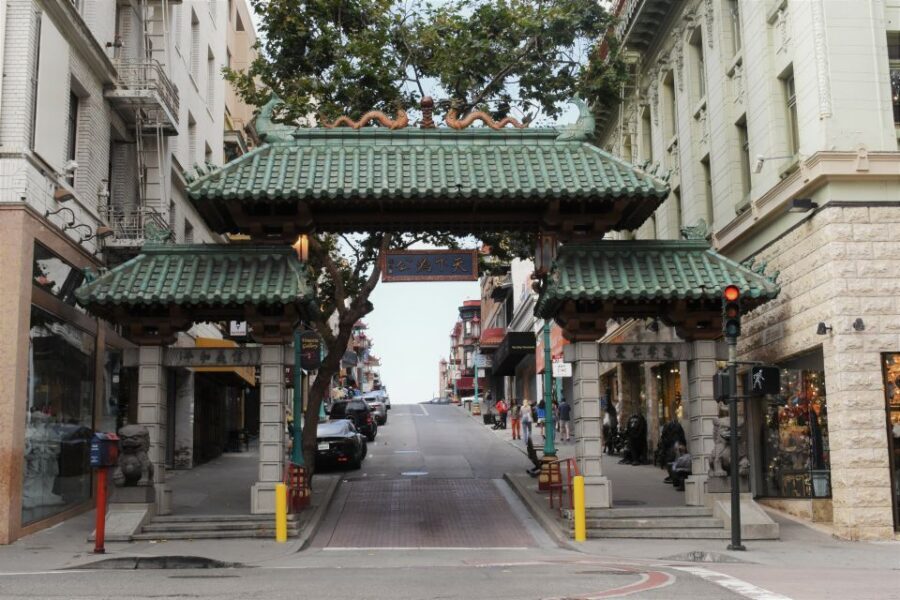
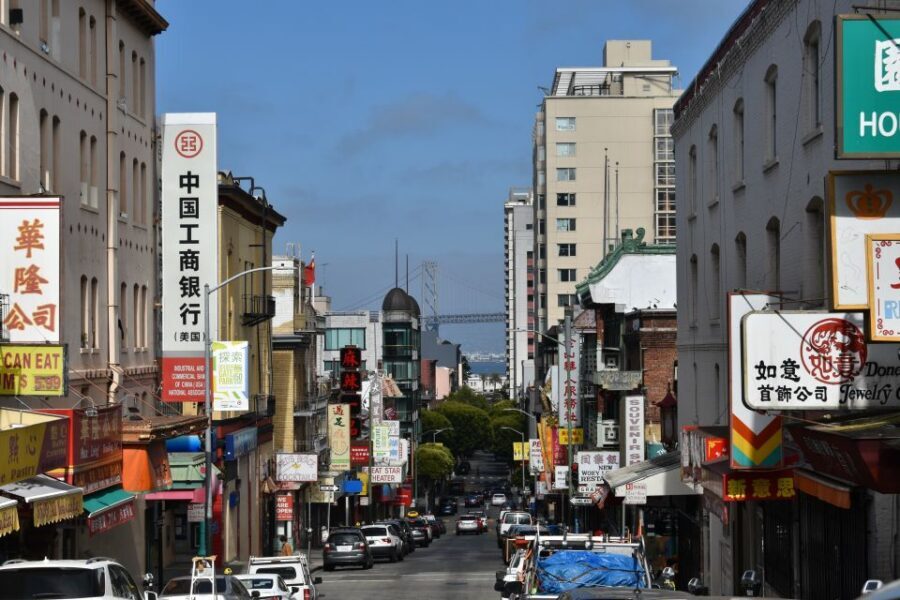
After you start near Dragon’s Gate, the route heads toward Stockton Street, a major artery of Chinatown where markets and food sellers cluster close together. This part is about sensory overload—smells, packaging, handwritten menus, and the constant flow of shoppers—but you also get guidance on what to pay attention to.
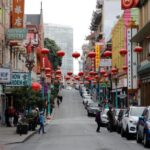
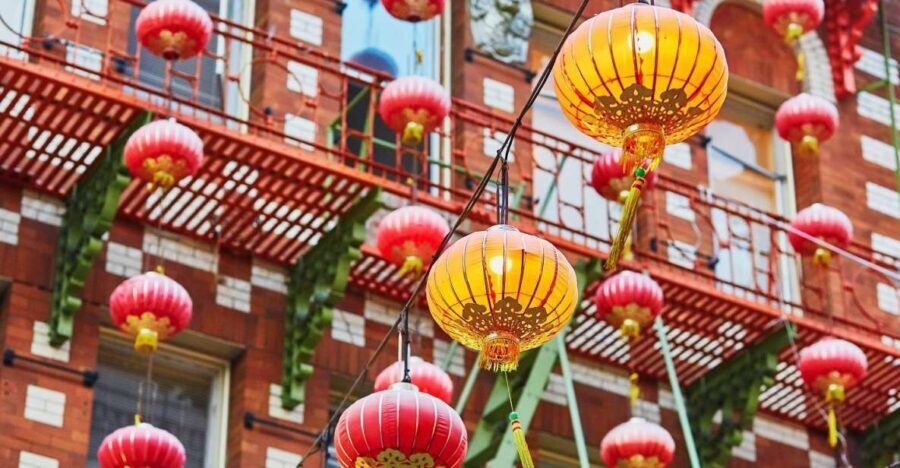
Joseph points out details that aren’t obvious from a quick walk-through: building designs with pagoda-style influences, eye-catching Chinese street decorations, and the kinds of storefront elements that signal cultural traditions. It’s the kind of commentary that changes the way you photograph. Instead of just shooting signs, you start noticing patterns—how design choices fit the neighborhood’s identity.
A practical note: this section can be crowded. If you’re the type who hates shoulder-to-shoulder walking, take it slow in the densest market stretches. The tour’s pacing helps, but it’s still Chinatown in peak hours.
Old Saint Mary’s Cathedral: religion, community, and why the neighborhood has depth
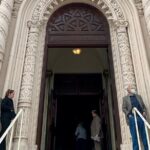
One of the most meaningful stops is Old Saint Mary’s Cathedral. The tour uses this location to explain Chinatown’s religious culture and history, which is exactly the kind of context that makes a neighborhood feel more real. You’re not only seeing buildings—you’re learning how people organized community life, even as the city changed around them.
This is also a good place for photos if you’re careful and respectful of the surroundings. The cathedral stop adds a different tone to the walk. After you’ve been surrounded by food signage and market bustle, this feels more grounded and reflective.
If your goal is a history-forward Chinatown experience, don’t treat this stop as optional. It’s one of the anchors that turns “cool streets and snacks” into something more memorable.
Eastern Bakery cookies or pork buns (and tea): how to use the tasting time
At Eastern Bakery, you’ll get a traditional Chinese cookie or traditional pork bun—depending on what’s available—plus tea of your choice. This is a smart tasting choice for two reasons.
First, it gives you something you can recognize as classic without overcomplicating the order. Second, the bakery stop includes practical guidance from the owners. That means you’re not just handed food; you’re shown what to look for in how it’s prepared and how to enjoy it.
Because the cookie vs. pork bun selection depends on availability, you’ll want to keep your expectations flexible. If you have a strong preference, just know the tour doesn’t promise one exact item every day. In practice, that’s normal for food tours—vendors run on what’s freshly made—but it’s worth flagging so you’re not surprised.
I also like that this stop happens before the heartier food. Cookies/buns plus tea work as a mid-tour reset: sweet or savory, depending on what you receive, and a drink break that keeps you comfortable for the dim sum stop later.
Portsmouth Square: the Gold Rush link and Chinatown’s origin story
Portsmouth Square is where the tour slows down and connects the dots. You’ll learn why this area matters for the Gold Rush, early California beginnings, and Chinatown’s origin. That’s useful context because Chinatown didn’t just appear out of nowhere—it grew alongside major migration waves and economic shifts.
This stop is valuable for first-timers because it reframes what you’re seeing. Without that background, Chinatown can feel like a self-contained pocket. With it, you see it as part of a bigger San Francisco story—one tied to early opportunity, changing city life, and community formation.
It’s also a natural photo stop. The square has open sightlines compared with the narrower market streets, so you’ll get a calmer moment to take pictures and regroup without feeling like you’re always ducking around crowds.
You can also read our reviews of more food & drink experiences in San Francisco
Delicious Dim Sum: homemade-style tasting that stands up to the hype
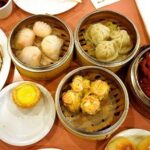
The dim sum stop—Delicious Dim Sum—is the meal-shaped highlight. You’ll taste homemade dim sum, and the tour positions it as one of the best in the city. Even if you’ve had dim sum before, guided tastings help because you learn what you’re eating and how it fits together.
Here’s what makes this stop feel worth it: it’s not a token sample. It’s treated like the main food moment of the tour, so you’re not stuck eating three crumbs and rushing to the next photo.
Because you’re walking through Chinatown first, the dim sum stop also feels timed. Your appetite builds naturally as you pass markets and bakeries. By the time you sit down, you’re hungry in a good way—not just “I guess I should try this.”
Fortune Cookie Factory: taste, technique, and the real meaning of the fortune
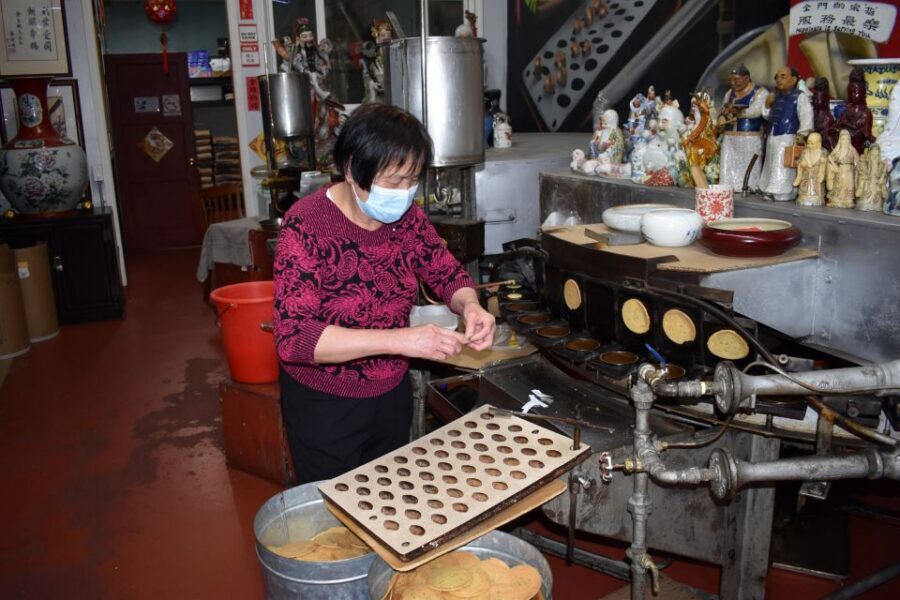
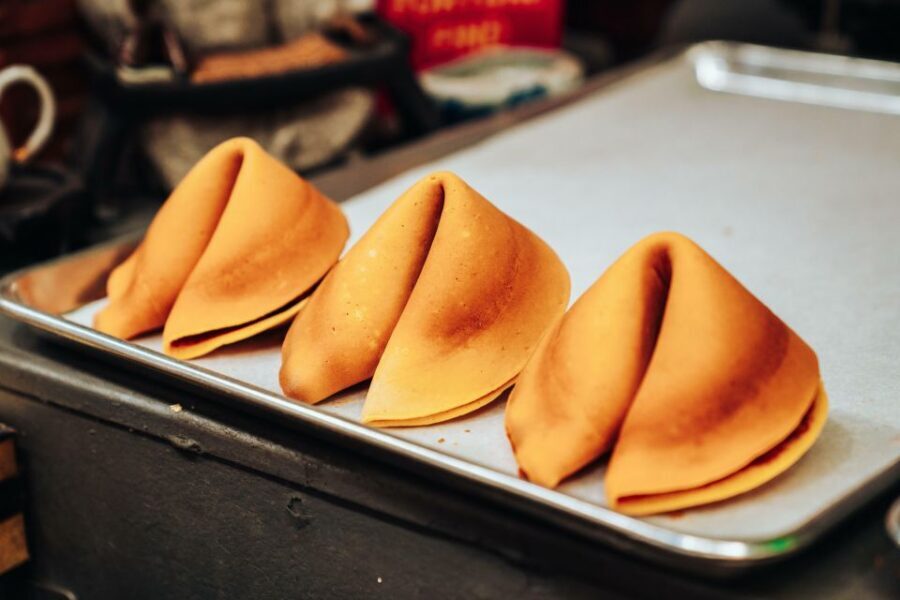
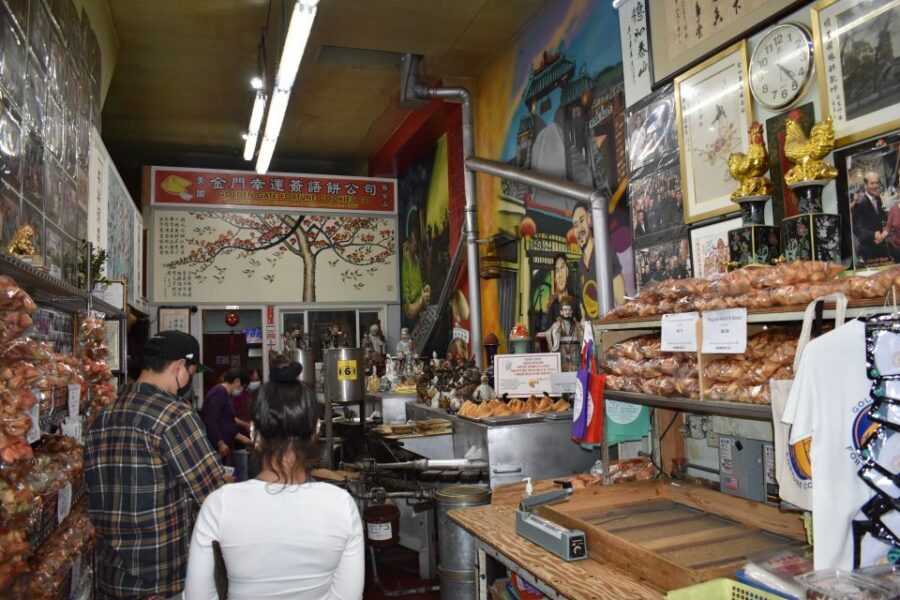
The tour finishes with a visit to a fortune cookie factory. You’ll taste a fortune cookie, learn about the cooking techniques, and hear the historical significance of fortune cookies.
This is fun in a straightforward way: you eat the cookie, you get a small story about how fortunes became part of the experience, and you leave with a more complete explanation than you’d get from a package at home. If you’ve ever wondered why the cookie arrives with a message inside, this part gives you a clear answer and adds a bit of cultural context.
It’s also a nice ending because the pace shifts from street-walking to a more contained, focused setting. You can relax, compare bites with the group, and collect your photos from earlier without worrying about the next corner.
One more small advantage: food tours can sometimes end with people too full to enjoy dessert. Here, fortune cookies are light enough that they feel like a closing chapter rather than a forced finale.
What you get for $85: value that comes from structure, not just snacks
San Francisco Chinatown tours can range from quick-casual walks to full food-and-history experiences. At $85 per person for about 150 minutes, the value comes from the structure.
You’re paying for:
- a professional local guide (with Joseph as the standout name from recent experiences),
- a small group format (up to 12),
- multiple food tastings that include dim sum plus a fortune cookie factory stop,
- plus photo stops and guided history as you walk.
If you were to recreate this on your own, you’d spend time deciding where to eat, what to order, and how to connect the stops to history without turning it into a random hopscotch plan. This tour gives you a ready-made route and a narrative line.
The main cost “gotcha” is simple: no hotel pickup or drop-off. You’ll need to get yourself to the meeting point. But once you’re there, the tour is designed to be walkable and timed so you’re not constantly waiting around.
Best fit: who this Chinatown tour suits (and who may not love it)
This tour is a great choice if you want Chinatown in a single, focused outing. It’s especially well-suited for:
- first-time San Francisco visitors who want the big sights plus a few lesser-noticed details,
- food lovers who care about more than one quick stop,
- people who like history explanations tied to places you can see in front of you.
It may not be ideal if:
- you dislike walking for about 150 minutes on city sidewalks,
- you’re extremely picky about exact bakery items (cookie vs. pork bun can depend on availability),
- you want zero crowd contact, since Chinatown’s streets can be busy.
For families, the tour also tends to work well because it’s family-friendly in tone, and the food stops keep the experience easy to follow. Still, it’s smart to bring comfortable shoes for everyone.
Should you book this Chinatown food and history walk?
I’d book it if you want a Chinatown outing that feels planned but not stiff—food-forward, history-aware, and led by Joseph with a steady pace and clear explanations. The standout strength is how the stops connect: Dragon’s Gate and street details lead naturally to Old Saint Mary’s Cathedral, which leads to Portsmouth Square and the Gold Rush era context, which leads to food moments that feel like part of the story, not just a checklist.
The biggest reason to hesitate is also the most honest one: the cookie vs. pork bun tasting depends on what’s available, and the tour is mostly walking. If you’re okay with that, the tour’s $85 price starts to feel fair because you’re paying for guidance, timing, and multiple dedicated food experiences rather than a long wandering snack hunt.
If your schedule allows, reserve your spot and plan to arrive a little early. Then get ready to walk through Chinatown with your eyes open.
FAQ
FAQ
Where does the tour meet?
You meet in front of the Dragon’s Gate at the Starbucks cafe located in front of Dragon’s Gate.
What time should I arrive?
Please arrive 15 minutes before the activity starts.
How long is the tour?
The tour duration is 150 minutes.
How big is the group?
It’s a small group with up to 12 people.
What language is the tour guide?
The tour is in English.
What food is included?
The tour includes traditional Chinese cookies or traditional pork buns (subject to availability), dim sum at Delicious Dim Sum, and a fortune cookie at the Fortune Cookie Factory. Tea is also offered at Eastern Bakery with your tasting.
What are the main stops on the route?
Key stops include Dragon’s Gate, Stockton Street, Old Saint Mary’s Cathedral, Eastern Bakery, Portsmouth Square, Delicious Dim Sum, and a Fortune Cookie Factory.
Is hotel pickup or drop-off included?
No. Hotel pickup and drop-off are not included.
What is the cancellation policy?
Free cancellation is available up to 24 hours in advance for a full refund.
Is there an option to pay later?
Yes. You can reserve now and pay later, keeping plans flexible.