REVIEW · SAN FRANCISCO
San Francisco: Castro & LGBTQ Private Walking Tour
Book on GetYourGuide →Operated by Guydeez Tours · Bookable on GetYourGuide
San Francisco’s Castro tells its story on foot. This private walking tour puts the neighborhood’s LGBTQ landmarks into a clear route, starting at Harvey Milk Plaza and then moving through key sites tied to activism and community identity.
I like that the experience is private and customizable, so you can ask questions and shape the pace to match what you actually care about. I also like the bonus planning help: your guide is there not just for the Castro but for practical ideas about other things to do across San Francisco. The one drawback to keep in mind is that guide focus can vary, so if you’re booking specifically for Castro/LGBTQ history, ask early how they plan to cover it.
In This Review
- Key highlights worth clocking
- The Castro Tour, and Why This Route Makes Sense
- Meeting at The Hotel Castro: Getting Oriented Fast
- Harvey Milk Plaza to Milk’s Camera Shop: The Activism Backbone
- The Castro Theatre and the Rainbow Flag: What You’re Seeing and Why It Matters
- How the Tour Feels: Private Pace, Custom Stops, and Real Q&A
- Getting Extra Value: Advice for the Rest of San Francisco
- Price and Value: Is $100 Per Person Fair for Two Hours?
- What’s Included vs Not Included: Avoiding Surprise Costs
- Languages, Accessibility, and Who Should Book
- Should You Book This Castro LGBTQ Walking Tour?
- FAQ
- How long is the Castro & LGBTQ private walking tour?
- Where do I meet the guide?
- Is this a private tour or a group tour?
- What languages are available for the live guide?
- Is the tour wheelchair accessible?
- Is food or drink included?
- Are tickets to attractions included?
- Does the tour include public transport?
- Does the guide help with tickets?
- Can I cancel for a full refund?
Key highlights worth clocking
- Start at Harvey Milk Plaza and cover Milk’s former residence and camera shop
- Castro Theatre stop with the rainbow flag flying overhead
- Rainbow flag origins explained so you understand what you’re looking at
- Castro’s evolution plus AIDS-era context through the stories your guide shares
- Private, no-sharing format with room for customization
- Extra SF advice beyond the neighborhood when you want it
The Castro Tour, and Why This Route Makes Sense
If you want to understand San Francisco in a way that isn’t just photo stops, the Castro is a strong place to start. It’s central to LGBTQ visibility in the city, and it’s also easy to explore on foot once you know where to look. This tour gives you that structure.
What I appreciate about the plan is that it isn’t only about big, obvious landmarks. It’s built to connect places to people and events. You start at Harvey Milk Plaza, then follow threads that lead to Milk’s former residence and camera shop, two sites closely tied to organizing and visibility. From there, the route pushes you toward the Castro Theatre, where the rainbow flag is a constant visual cue that the neighborhood is about identity, solidarity, and public presence.
You’ll also get an interpretive layer. The guide is expected to share how the Castro transformed into a sanctuary for LGBTQ people, including the community’s role during the AIDS epidemic. That matters, because if you only see storefronts and signage, you miss why this area has meaning far beyond nightlife.
You can also read our reviews of more walking tours in San Francisco

Meeting at The Hotel Castro: Getting Oriented Fast
You meet your guide in front of The Hotel Castro. That’s practical because it puts you right in the action area, so you’re not commuting across town before you even start learning.
From a logistics standpoint, this is a walking-first experience. Comfortable shoes help. You’re in a neighborhood with lots of streetscape details—plaques, building facades, and the kind of signage that rewards slow walking. A private format also means you don’t have to sprint between stops to keep up with a group.
Another practical thing: the tour includes walking and public transport depending on your option (not car transport around the city). So if you’re the type who hates standing around and watching buses arrive, you’ll likely prefer pacing that stays mostly on foot.
Harvey Milk Plaza to Milk’s Camera Shop: The Activism Backbone
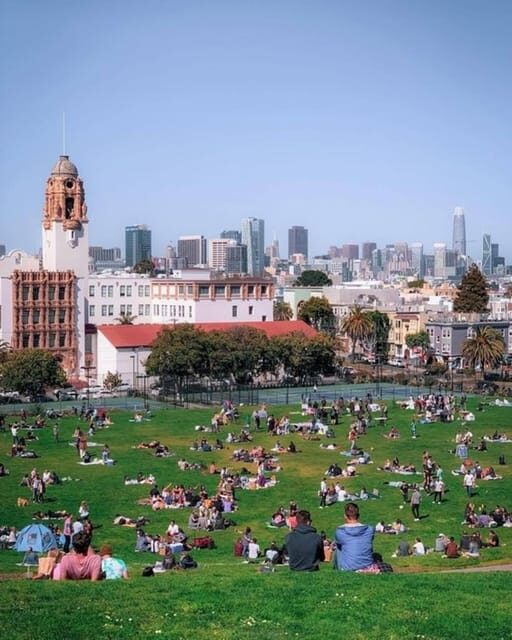
The tour’s first landmark is Harvey Milk Plaza, a memorial dedicated to civil rights icon Harvey Milk. This is a smart opening because it sets the emotional and historical context early. You don’t get random trivia first—you get the human story that makes the rest of the neighborhood make sense.
From there, you’ll head to Milk’s former residence and camera shop. These aren’t just “interesting buildings.” They’re tied to the idea that public change doesn’t happen by accident. It happens through organizing, visibility, and people showing up where it mattered.
One helpful detail from the way the tour plays out on the ground: you may notice a sidewalk plaque in the area connected to the camera shop location. It’s the kind of thing that’s easy to miss if you’re walking past quickly. With a guide, it turns into an actual point of learning, not background decoration.
This section is where you’ll get the most value if you care about LGBTQ activism and local civil rights history. If that’s your focus, I’d treat this part as the core of the tour and plan to ask questions here, not later. Ask what each location represents and how it connects to the neighborhood’s shift into a refuge.
The Castro Theatre and the Rainbow Flag: What You’re Seeing and Why It Matters
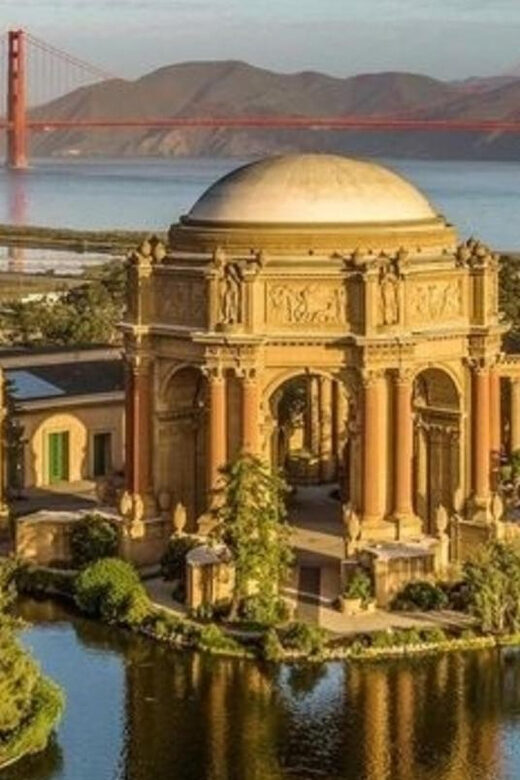
After the Milk sites, the tour includes the Castro Theatre, where you’ll see the rainbow flag flying. It’s a powerful visual, and it’s also easy to reduce to a symbol if you don’t know the story behind it.
That’s exactly what your guide is meant to cover: the origins of the rainbow flag as a worldwide symbol of LGBTQ pride. Instead of only pointing at color bands, you should walk away understanding what the flag communicates, why it became widely recognized, and how that meaning carried into everyday street life.
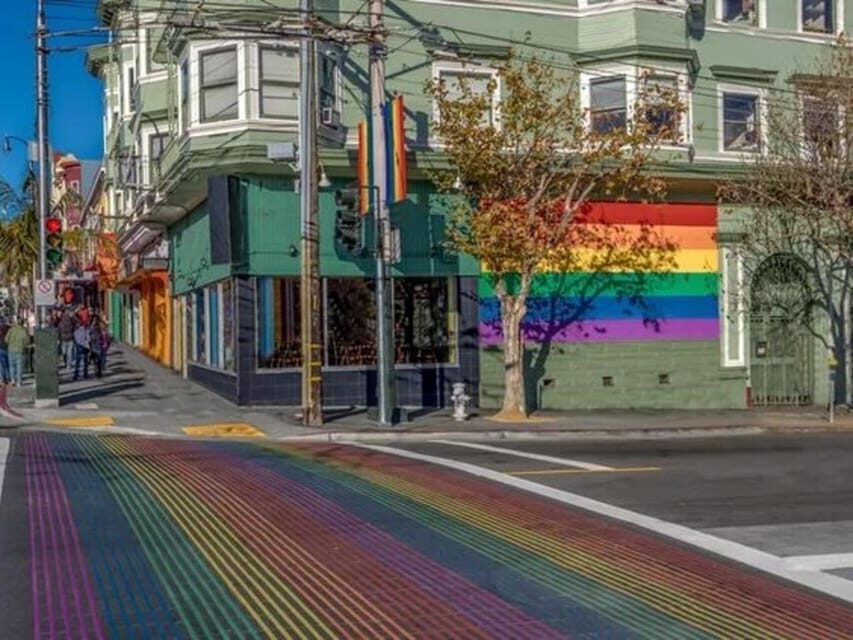
The Castro Theatre stop works well because it’s both symbolic and tangible. You see the flag in a real street setting, not as a museum artifact. That helps you grasp why this neighborhood’s identity is expressed publicly—on storefronts, on theaters, and in the everyday landscape.
And then there’s the deeper context: your guide should also explain the Castro’s transformation into a sanctuary for LGBTQ people and describe the neighborhood’s vital role during the AIDS epidemic. You’ll want that context because it changes the way you interpret everything else you’ll notice on your walk—community presence, solidarity, and resilience.
Tip that will save you time later: during this segment, if there’s something you don’t fully get—like how symbols and community organizing relate—ask immediately. The flag and theatre are perfect anchors for questions because you’re standing in the middle of the visual evidence.
How the Tour Feels: Private Pace, Custom Stops, and Real Q&A
This is a private walking tour. That sounds simple, but it has real impact on how useful the experience feels. You can go slower where you want more explanation and faster where you mostly want to see the street scene.
The tour is also customizable. That means if there’s a part of the Castro you’re more interested in—like activism-focused stops versus architectural sights versus general neighborhood vibe—you can steer the guide accordingly.
That said, this is the part where you should be smart about expectations. A private tour still depends on the guide’s preparation and how they interpret your priorities. Based on what’s been shared by past clients, some guides are warm and great conversational partners, while others may put more attention on San Francisco overall than on Castro and LGBTQ history. The safe move: at the start, clearly state what you want emphasized. If you’re there for Milk, the Castro Theatre, and the LGBTQ meaning behind places, say so early.
You can also read our reviews of more private tours in San Francisco





Getting Extra Value: Advice for the Rest of San Francisco
One strong selling point is the guide’s familiarity with the city beyond the Castro. You’re not just getting a walking route; you should also get practical advice on other things to do in San Francisco.
In real terms, that can help you avoid the common trap of planning the rest of your day based only on what’s on your app screen. If your guide knows how the neighborhood connects to the rest of town, you can make better choices—like which areas are worth your time, how to structure your day, and what to pair with the Castro.
This is also where a private tour can feel more personal than most group experiences. You can ask questions in the moment: where to go next, what neighborhoods match your interests, and what you should skip if you’re short on time.
Price and Value: Is $100 Per Person Fair for Two Hours?
At $100 per person for a two-hour private walking tour, you’re paying for exclusivity, customization, and a guide who can translate landmarks into meaning.
Here’s how I’d judge value, practically:
- If you want a one-on-one experience and you’re excited about LGBTQ landmarks with context, the price can feel fair.
- If you mainly want general sightseeing with minimal focus on activism and symbol meaning, you may feel the cost more sharply—because you could do some of it on your own.
The private format is where the money makes sense. Two hours isn’t a full-day tour, so you’ll want to lean into the stops that matter most to you (Milk sites and Castro Theatre) and ask enough questions to turn the walk into learning.
Also, remember that entry to monuments and museums isn’t included, and tickets to attractions aren’t included either. So this isn’t automatically a pay-once ticket to do everything. Your guide and team may help you book tickets for visits you want, but you still need to pay separately for attractions that require admission.
What’s Included vs Not Included: Avoiding Surprise Costs
Here’s the deal with what’s covered. You get a private and exclusive tour—no other people in your group. You also get customization and a mix of walking and public transport depending on your chosen option.
A nice touch is help from the team to book tickets for visits you want. That can save you time and stress, especially if you’re trying to fit stops around opening hours.
Not included: entry to monuments and museums, food and drink, and tickets to attractions. The tour is walking focused, and local transportation around the city isn’t included as car transport.
So if you want this to be more than a street-and-sidewalk experience, plan for separate tickets. If you’re okay keeping it mainly outdoors and educational, you’ll likely find the cost easier to manage.
Languages, Accessibility, and Who Should Book
The guide is available in English, French, Italian, and Spanish. The tour is also wheelchair accessible, which is important for planning a smooth, real-life walking route.
Who it suits best:
- Couples and solo travelers who want a personal pace
- Anyone who wants Castro landmarks tied to LGBTQ activism and community identity
- Travelers who value a guide’s local planning advice after the walk
Who might want to think twice:
- If you’re expecting a tour that’s heavily museum-like with indoor entry included, you should know that entry and tickets aren’t included
- If your main goal is general San Francisco sightseeing rather than Castro-focused LGBTQ context, you may get less value than you hoped
Should You Book This Castro LGBTQ Walking Tour?
I’d book it if you want a focused, private walk through the Castro with real meaning attached to what you see—Harvey Milk Plaza, Milk’s former residence and camera shop, and the Castro Theatre with the rainbow flag. The customization and the extra SF advice can also make it a strong value if you’re planning the rest of your trip.
I’d hesitate only if your expectations are fuzzy on what you’re actually paying for. This is a walking experience with meaningful context, not an all-in museum ticket bundle. Also, because guide emphasis can vary, be direct at the start about wanting Castro and LGBTQ history to be the main thread.
If you do those two things—align expectations and communicate your priorities—you’ll get the kind of tour that turns a neighborhood into a story you can actually remember.
FAQ
How long is the Castro & LGBTQ private walking tour?
The tour lasts 2 hours.
Where do I meet the guide?
Meet your guide in front of The Hotel Castro.
Is this a private tour or a group tour?
It’s a private and exclusive tour, with no one else in your group.
What languages are available for the live guide?
The live guide is available in English, French, Italian, and Spanish.
Is the tour wheelchair accessible?
Yes, the tour is wheelchair accessible.
Is food or drink included?
No, drink or food is not included.
Are tickets to attractions included?
No, tickets to any attractions are not included.
Does the tour include public transport?
The tour includes walking and public transport except if you select one of the options. Car transportation is not included.
Does the guide help with tickets?
Yes, the team helps book tickets for the desired visits.
Can I cancel for a full refund?
Yes. Free cancellation is available up to 24 hours in advance for a full refund.