REVIEW · SAN FRANCISCO
San Francisco: Castro District LGBTQ+ History Tour
Book on GetYourGuide →Operated by The Native Experience · Bookable on GetYourGuide
The Castro tells stories you can feel. This Castro LGBTQ+ History Tour is led by Eric, a sixth-generation San Francisco historian who’s also a POC queer organizer and activist. He’s not reciting facts from a screen, either—he personally witnessed many of the events that shaped the places you’ll stand.
I especially love how the tour connects big forces to exact street corners. You’ll stop at the Pink Triangle Memorial and later visit Harvey Milk’s former camera shop, so you’re not just learning history—you’re looking at the physical anchors of it. Another thing I liked: the way Eric explains U.S. military influence on how San Francisco became known as the gayest city on Earth, without turning it into dry lecture mode.
One possible drawback: 90 minutes moves fast through a dense part of town. If the Castro is busy or there’s setup going on nearby, you’ll want comfortable shoes and a little patience for outdoor pacing and occasional street noise.
In This Review
- Key highlights worth your time
- Starting in the right place: Harvey Milk Plaza on Castro Street
- Eric’s approach: activism, organizing, and real storytelling
- How the U.S. military shaped the Castro’s story
- Pink Triangle Memorial: remembrance with a timeline built in
- Hibernia Beach (Castro LGBTQ+ Memorial) and the power of place-names
- GLBT History Museum: where the story keeps going
- Jane Warner Plaza: a landmark that teaches who gets named
- Harvey Milk’s camera shop: campaign headquarters and residence
- White Night Riots and the 1979 gay rights ordinance: change under pressure
- Price and value: what you get for $39
- Who should book this Castro tour
- How to get the most out of 90 minutes on foot
- Should you book this Castro LGBTQ+ History Tour?
- FAQ
- Where does the tour meet?
- How long is the Castro LGBTQ+ History Tour?
- What is the price?
- Is the tour wheelchair accessible?
- What language is the tour conducted in?
- What stops will we see?
- What should I bring?
- What’s included in the price?
- Are gratuities included?
- Can I cancel and get a refund?
Key highlights worth your time
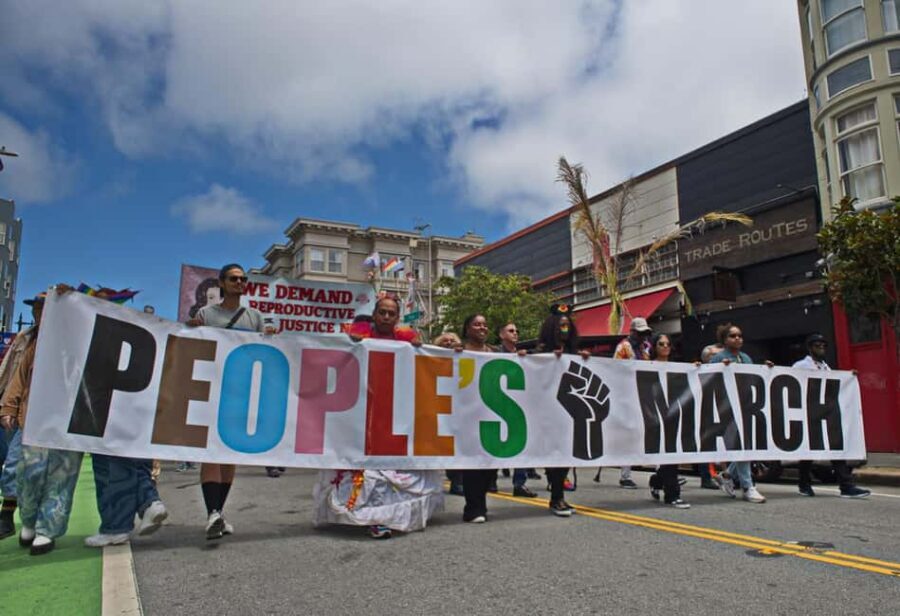
- A sixth-generation SF historian with first-hand perspective who’s also a queer activist
- Pink Triangle Memorial, honoring gay prisoners killed during the Nazi regime (1933–1945)
- Harvey Milk sites: former camera shop, campaign headquarters, and residence
- Hibernia Beach / Castro LGBTQ+ Memorial for a reflective stop tied to community remembrance
- Jane Warner Plaza, named after San Anselmo’s first openly lesbian police officer
- White Night Riots and the 1979 gay rights ordinance explained through real local landmarks
Starting in the right place: Harvey Milk Plaza on Castro Street
You meet at Harvey Milk Plaza, next to SoulCycle, at 400 Castro Street. It’s a smart start because the Plaza is already a symbol of the neighborhood’s identity—so the tour doesn’t begin with a lesson plan. It begins where the Castro people actually gather and move through daily.
From the first minutes, you’ll get a sense of how the district layers eras on top of each other. You’ll be walking through spaces that feel familiar even if you’ve only been in San Francisco for a day.
You can also read our reviews of more historical tours in San Francisco

Eric’s approach: activism, organizing, and real storytelling
Eric doesn’t just name dates. He frames them in a way that helps you understand why people fought, what was at stake, and what changed after the dust settled.
A big plus here is his combination of roles: historian, POC queer organizer, and activist. That means you’ll hear context about community power—how change was pushed, pressured, and defended—rather than treating LGBTQ+ history like something sealed in a museum case.
In practice, this show-up-and-listen energy helps on days when the street is loud. On at least one busy day, Eric checked in about whether people could hear him while construction and a night fair set up were happening. That kind of awareness matters, because outdoors, you don’t want to strain the whole time.
How the U.S. military shaped the Castro’s story
One of the tour’s early themes is the role the U.S. military played in the formation of the city’s reputation—specifically the path toward what’s often called the gayest city on Earth.
Even without getting lost in details, that theme gives the walk structure. You start seeing the Castro not as a sudden miracle, but as a place formed by movement: people arriving, networks building, and safety and visibility becoming political issues.
For me, this is where the tour becomes more than a checklist. You’re learning a cause-and-effect story: big institutions influenced who ended up here and what kinds of communities could grow.
Pink Triangle Memorial: remembrance with a timeline built in
The Pink Triangle Memorial is one of the stops that really grounds the tour emotionally. It honors gay prisoners killed during the Nazi regime, with the dates 1933 to 1945 called out as part of the meaning.
What I appreciate is that this isn’t treated as an isolated tragedy. The tour uses it to connect memory to aftermath—how communities remember, how public memorials shape identity, and why people demand recognition.
If you like your history with stakes and human consequences, this stop will land. It’s also a good moment to slow down, because the next parts of the walk pick up energy again.
Hibernia Beach (Castro LGBTQ+ Memorial) and the power of place-names
From there you’ll head to Hibernia Beach, also known as the Castro LGBTQ+ Memorial. This kind of stop matters because it teaches you how the neighborhood marks memory in its own geography.
You’ll be learning in two directions at once: outward through the streets, and inward through the meaning of commemoration. A named place is a message. It says: this happened here, and it matters enough to be kept in public view.
This is also a helpful pause if you’re the type who likes to absorb while walking rather than rushing from landmark to landmark without letting anything settle.
You can also read our reviews of more tours and experiences in San Francisco
GLBT History Museum: where the story keeps going
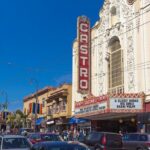
Another anchor stop is the GLBT History Museum. Even when you’re not going inside for a full visit, stopping at the museum on the walking route is a clue: this neighborhood’s story isn’t just in the past, it’s actively archived and interpreted.
I like including a museum stop because it shifts your thinking from a single timeline to a broader project—preserving evidence, sharing it, and keeping it accessible for future visitors.
If you’ve got even a little curiosity about LGBTQ+ history beyond what you’ll cover in 90 minutes, the museum is a natural next step after the tour.
Jane Warner Plaza: a landmark that teaches who gets named
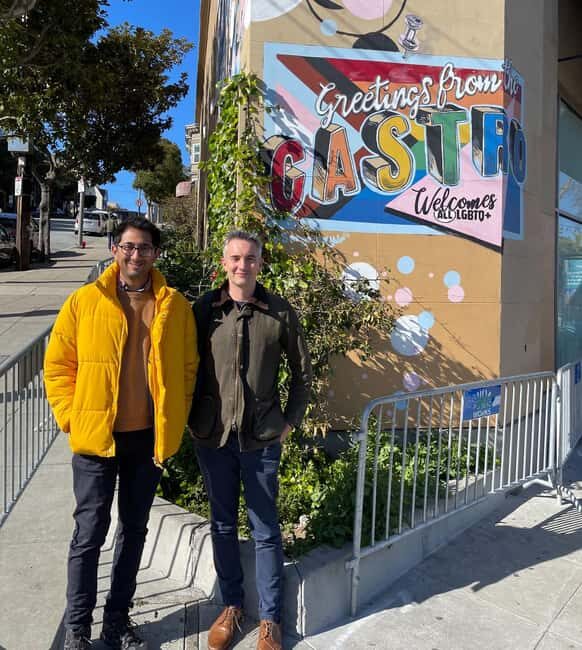
At Jane Warner Plaza, you’ll hear why it’s named after the first openly lesbian police officer on the San Anselmo police force. That one fact does a lot of work.
It turns a small plaza into a lesson about visibility and institutional change. Who gets named in public space often mirrors who society chooses to recognize as part of civic life. In other words, naming can be a kind of progress you can point to.
This stop is quick, but it’s memorable because it ties honor to a very specific person and role.
Harvey Milk’s camera shop: campaign headquarters and residence
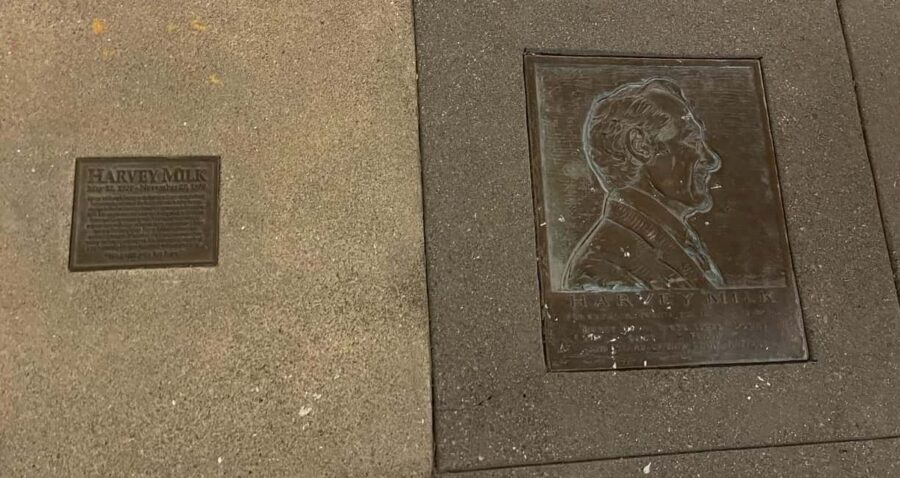
One of the tour’s biggest draws is Harvey Milk’s former camera shop, along with the location tied to his campaign headquarters and residence. You’re not just hearing that Milk was influential. You’re standing near the places where his work happened.
That’s why this stop tends to feel more real than reading about someone in a book. The physical continuity—shopfront to neighborhood block—makes the political personal.
If you want to understand why Milk’s name is still spoken with urgency by people who live in the Castro today, this is one of the most direct places to start. The tour uses the site to connect activism to daily life: organizing isn’t a distant event; it’s rooms, doors, and conversations.
White Night Riots and the 1979 gay rights ordinance: change under pressure
Later, the tour covers the White Night Riots and the landmark gay rights ordinance of 1979. Even if you already know the names, this kind of walking explanation helps you see what connects them.
In my view, this section is valuable because it shows how progress often comes with backlash. You’re not being sold a neat story. You’re seeing the push-pull: advocacy moves law and culture, and then the culture fights back.
That framing makes the 1979 ordinance feel earned rather than celebratory. And it makes the riots feel like more than tragedy headlines. They become part of the neighborhood’s political education—something people had to learn the hard way.
Price and value: what you get for $39
At $39 per person for 90 minutes, this tour sits in the “worth it if you’re curious” category. You’re paying for more than movement across town.
You’re paying for a guide with rare credibility: a San Francisco native (sixth-generation), historian, and POC queer organizer/activist who’s also personally witnessed many historical events. That blend is hard to replicate, and it shows in how the tour is told.
You also get practical value: a curated set of stops that covers multiple eras—Nazi-era remembrance through Nazi loss memorialization, then into Milk-era activism, then into 1979’s legal landmark and the broader fallout of the White Night Riots.
Tips aren’t included, so plan to add a gratuity if you think Eric did great work.
Who should book this Castro tour
I think this tour is a great match if you:
- want LGBTQ+ history grounded in real local places
- prefer walking tours where the guide tells a story with context, not just names and dates
- like your history with activism and meaning, not just trivia
- appreciate a guide who makes space for questions and keeps you oriented on busy days
If you’re visiting San Francisco and want one experience that connects the Castro’s identity to the events that shaped it, this is a strong pick.
How to get the most out of 90 minutes on foot
This is an outdoor walk through a neighborhood with its own energy and street sounds. Bring comfortable shoes and dress for the conditions that day.
You’ll also get more out of it if you show up mentally ready to connect dots. The tour jumps across themes—military influence, memorials, policing, Milk, riots, and a landmark ordinance—so treat it like a guided story arc, not a stop-by-stop photo mission.
If you care about hearing every detail, it helps to stand where you can listen clearly when you pause at stops. And if it’s loud, don’t hesitate to mention you’re straining—Eric has a habit of checking that people can still hear.
Should you book this Castro LGBTQ+ History Tour?
Yes—if you want a tour that explains why the Castro looks the way it does and why its symbols matter. The strongest reason to book is the combination of guide identity and story focus: Eric brings historian training, activist perspective, and first-hand witness to the places tied to LGBTQ+ survival and change.
Skip it only if you’re expecting a very light, casual stroll with minimal context. This tour is built to teach, to connect, and to leave you feeling more connected to the district and the people behind it.
FAQ
Where does the tour meet?
You meet at Harvey Milk Plaza next to SoulCycle at 400 Castro Street.
How long is the Castro LGBTQ+ History Tour?
The tour runs for 90 minutes.
What is the price?
The price is $39 per person.
Is the tour wheelchair accessible?
Yes, the tour is wheelchair accessible.
What language is the tour conducted in?
The tour is in English.
What stops will we see?
You’ll visit the Pink Triangle Memorial, Hibernia Beach (also known as the Castro LGBTQ+ Memorial), the GLBT History Museum, Jane Warner Plaza, and Harvey Milk’s former camera shop (including his campaign headquarters and residence). The tour also covers the White Night Riots and the 1979 gay rights ordinance.
What should I bring?
Bring comfortable shoes.
What’s included in the price?
A guided tour with a local historian.
Are gratuities included?
No, gratuities are not included.
Can I cancel and get a refund?
Yes. You can cancel up to 24 hours in advance for a full refund.