REVIEW · SAN FRANCISCO
Castro District LGBTQ+ History Tour
Book on Viator →Operated by The Native Experience · Bookable on Viator
The Castro can feel like a living timeline. This LGBTQ+ history tour strings together landmark sites tied to pride, activism, and community life, all in a tight 1 hour 30 minutes loop at street level. If you want to understand why this neighborhood matters, you’ll get the story in an easy walk and clear stop-by-stop context.
Two things I really like: the tour focuses on specific places instead of vague history, and you’re with a guide who keeps the pace smooth and answers questions directly (Miguel is one example of that steady, no-rush style). One small drawback to plan around: because it is a short outing, you’ll see a lot of highlights quickly, so it may not feel long enough if you want to linger.
The tour caps at 30 people, and it runs in English with a mobile ticket, which keeps it friendly and practical. You’re also near public transportation, and service animals are allowed, so logistics are usually straightforward for most visitors. The main thing is simply deciding if a focused, moving format fits how you like to travel.
In This Review
- Key moments you’ll cover in this Castro history walk
- Entering the Castro with context, not trivia
- Price and value: why $39 makes sense for 90 minutes
- Meeting at Harvey Milk Plaza: the neighborhood’s public heartbeat
- The rainbow flag, the AIDS Memorial Quilt piece, and Jose Sarria’s items
- Harvey Milk Plaza again: White Night Riots, explained without the fog
- An iconic gay bar with windows that stayed open
- A store that hired openly gay workers: everyday progress
- A 1920s palatial theater: history you can see in the architecture
- The guide matters: Miguel and Eric’s clear, steady delivery
- How to get the most out of the 3:00 pm start
- Who should book this Castro LGBTQ+ history tour
- Should you book the Castro District LGBTQ+ History Tour?
- FAQ
- How long is the Castro District LGBTQ+ History Tour?
- Where does the tour start and end?
- What time does the tour begin?
- What is the price per person?
- Is the tour offered in English?
- What is the cancellation policy for a full refund?
Key moments you’ll cover in this Castro history walk
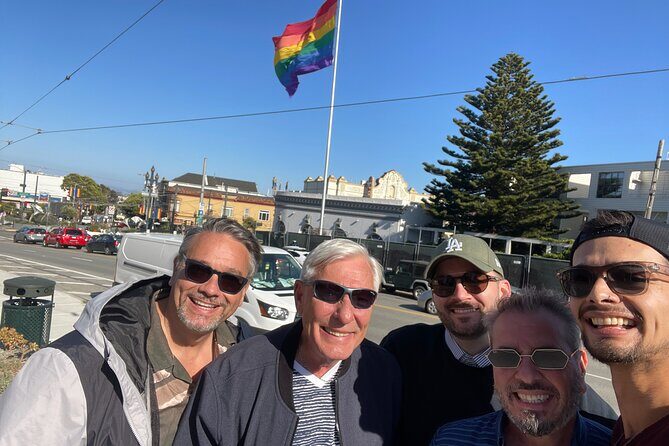
- Harvey Milk Plaza as a start point, tied to the community’s public gatherings and the White Night Riots
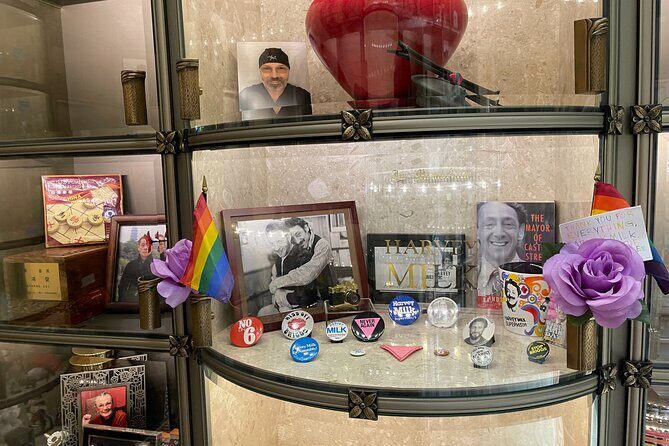
- The original rainbow flag plus a piece of the HIV/AIDS Memorial Quilt, linking pride with remembrance
- Jose Sarria’s personal items, bringing one individual’s story into the streetscape
- An iconic gay bar operating for over 50 years, including the detail that it did not block out its windows when it opened
- A store noted for being the first in San Francisco to hire openly gay workers
- A rare palatial-style theater from the 1920s, for that old-world feel at the end of the walking arc
Entering the Castro with context, not trivia
San Francisco’s Castro District has a reputation you can see right away. But signs and storefronts only tell part of the story. This tour helps you read the neighborhood like a map of turning points, where everyday spaces became places people could show up, organize, and survive.
The format is simple: you meet near Harvey Milk Plaza, then move from site to site with a guided narrative that connects the dots. It’s not about memorizing dates. It’s about understanding how public visibility, community organizing, and memorialization show up in the physical world.
That short length is also a plus. Ninety minutes is long enough to get real meaning, yet short enough that you can pair it with other Castro stops afterward, like a meal or a self-guided wander.
You can also read our reviews of more historical tours in San Francisco

Price and value: why $39 makes sense for 90 minutes
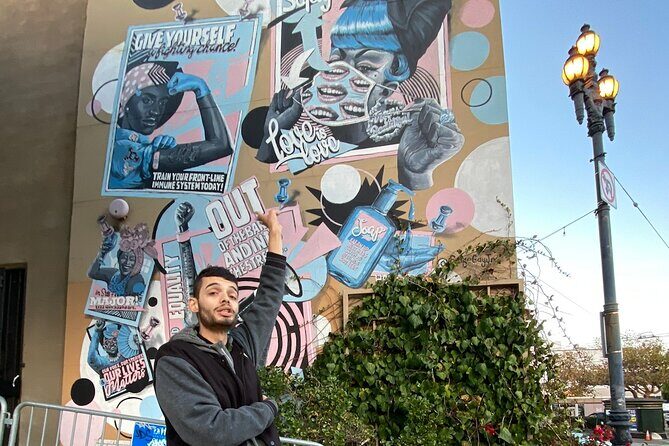
At $39 per person, you’re paying for a guided walk that hits multiple major queer history touchpoints without you having to plan the sequencing yourself. For many visitors, the value isn’t only the facts. It’s the time saved: a guide saves you from figuring out which places matter and how they connect.
The pricing also makes it easier to fit into a busy itinerary. If you’re already spending time in the Bay Area, this tour is a focused way to ground your day in local LGBTQ+ history rather than treating the Castro like just another sightseeing stop.
One more quiet value point: the group size is capped at 30. That tends to keep the tour interactive enough for questions without turning it into a crowded scramble.
Meeting at Harvey Milk Plaza: the neighborhood’s public heartbeat
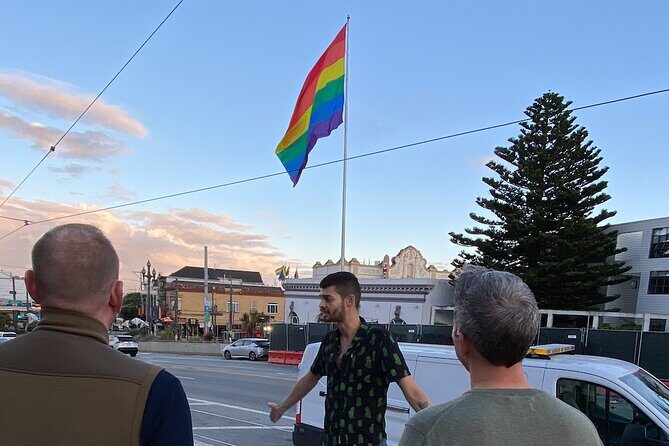
You start at Harvey Milk Plaza on San Francisco’s Castro corridor. This matters because the plaza isn’t just a pretty landmark; it’s described as a gathering place where the gay community formed and that gathering connects to the White Night Riots.
Starting here gives you a clear anchor early. In practice, it helps you understand that this neighborhood’s history is not only about nightlife or signage. It’s also about public space, visibility, and consequences when a community pushes back.
Expect a calm opening rather than a lecture. Guides typically set the tone quickly so you know what you’re looking for as you head into the side streets and landmark buildings.
The rainbow flag, the AIDS Memorial Quilt piece, and Jose Sarria’s items
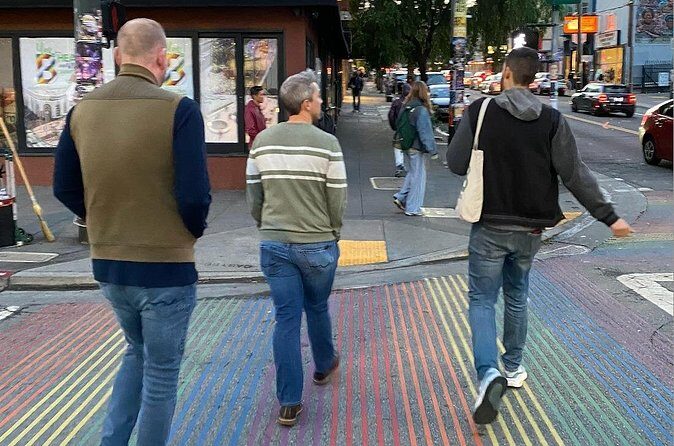
One of the most emotionally powerful stops comes early: a site described as home to the original rainbow flag. Right there, you get a big idea in a very concrete form: a symbol that people can recognize instantly, tied to the physical neighborhood where it took root.
That same stop also includes a piece of the HIV/AIDS Memorial Quilt. This detail changes the emotional temperature of the tour in an important way. Pride is part of the story, but so is remembering, honoring, and carrying grief forward in public.
Then there are Jose Sarria’s personal items, which add another layer. Instead of keeping everything at the level of broad movements, you’re shown tangible items connected to a named person. For me, that’s a strong reminder that history is made by real individuals, not only by institutions and events.
Practical tip: this is one of the places where you may want to slow down mentally, even if the walking pace stays steady. If you’re the type who likes to absorb, it pays to give yourself a moment before you move on.
Harvey Milk Plaza again: White Night Riots, explained without the fog
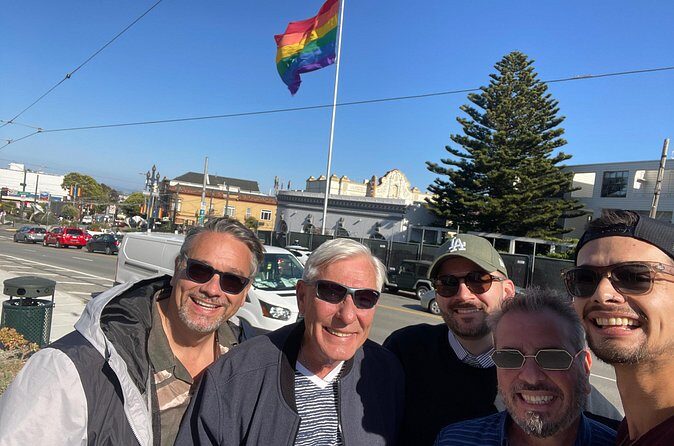
The tour explicitly connects the community’s gathering at Harvey Milk Plaza with the White Night Riots. You’re not just hearing the name of an event; you’re being guided through why this plaza held meaning and what happened when tensions exploded.
This is where an engaging guide can make a huge difference. One recurring theme from guides like Eric is how passionately and clearly they tell the stories, keeping the information well organized so it sticks. If you’ve ever gotten lost in long-winded historical explanations, you’ll probably appreciate the way the tour keeps answers concise and grounded.
A possible drawback: because the tour is short, this kind of event-based context gets summarized. If you want deeper background, you’ll still have plenty of time afterward to continue learning on your own. But within the tour, the goal is clarity, not a full semester’s worth of reading.
You can also read our reviews of more tours and experiences in San Francisco
An iconic gay bar with windows that stayed open
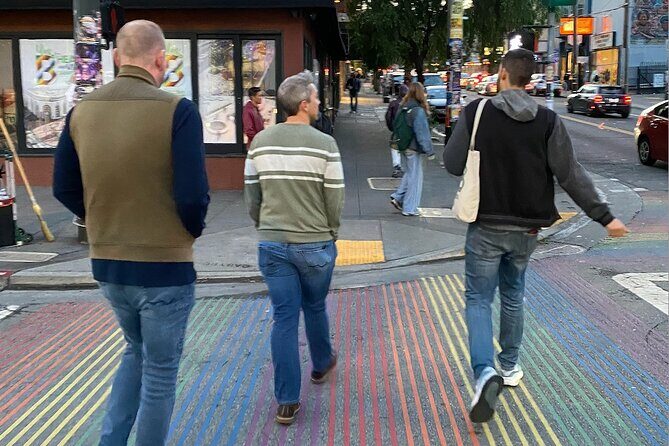
Next up is an iconic gay bar that has been in business for over 50 years. The standout detail here is that it did not block out their windows when the bar originally opened, which is described as a departure from a customary practice at the time.
That one fact can spark a lot of thought. Windows matter because they’re about visibility. When people choose not to hide, they create a different kind of courage. And when you’re standing outside a long-running place like this, the history feels less theoretical and more like a pattern you can still see.
In terms of tour flow, this stop also tends to be a nice emotional reset after the heavier symbolism of the flag and quilt piece. The tour keeps moving, but you’re learning about resilience in a way that feels tied to everyday life rather than only tragedy.
If you’re a photography person, this is also a likely stop for exterior shots. Just be respectful and keep the group pace in mind.
A store that hired openly gay workers: everyday progress
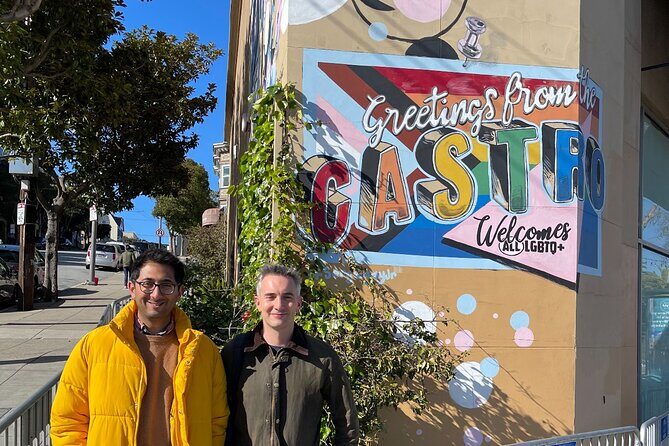
Another stop covers a store noted as the first in San Francisco to hire openly gay workers. That detail might sound narrower than political events, but it’s exactly why it belongs in a history tour like this.
Hiring is life impact. It affects income, stability, and safety in a very direct way. By including a workplace milestone, the tour broadens the idea of what LGBTQ+ progress can look like: not only protests and public confrontations, but also changes inside ordinary businesses.
For you, the practical payoff is perspective. After this stop, you’ll likely read the neighborhood differently on your own. You’ll start noticing the ways commerce, visibility, and community support feed into each other.
A 1920s palatial theater: history you can see in the architecture
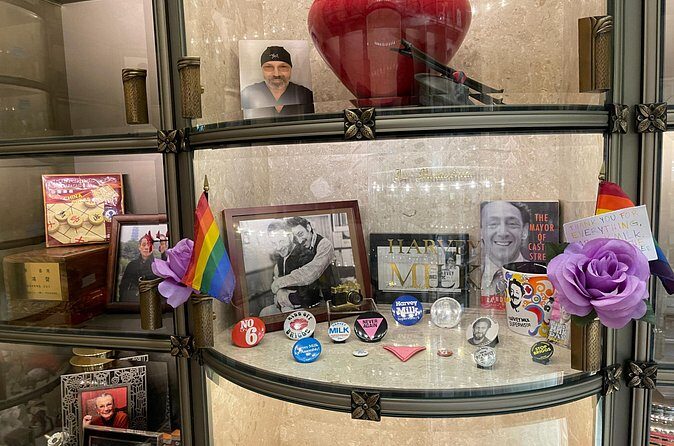
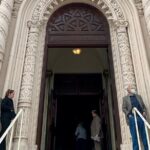
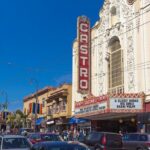
The tour ends with a stop at one of the last palatial-style theaters from the 1920s. Even if you don’t care about architectural periods, this kind of venue has a special value in a neighborhood history walk.
The point here is that queer history doesn’t only happen in specific political spaces. It also happens around arts, entertainment, and grand public buildings where lots of people can gather. A remaining 1920s theater gives you a sense of time depth, too. The Castro didn’t appear overnight, and the neighborhood’s story includes its older urban roots.
This is also a good place to notice how the tour’s format works: it moves from symbolic artifacts to community gathering to daily life to shared public spaces. By the time you’re at the theater, you’re not just collecting facts. You’re seeing a pattern.
The guide matters: Miguel and Eric’s clear, steady delivery
A short guided tour lives and dies by pacing. The good news is that this experience is designed around an engaging guide style, and the evidence comes through in the way guides such as Miguel and Eric are described.
Miguel is noted for holding a nice pace and keeping people focused so well that you’re not watching the clock. Eric is described as extremely passionate and very knowledgeable in his delivery, with answers that stay accurate and organized. Whether your guide is Miguel, Eric, or someone else, the goal is consistent: clear stories, thoughtful stop-by-stop explanations, and room for questions.
That matters because LGBTQ+ history can be emotionally heavy. When it’s delivered with good structure, you can absorb it without feeling overwhelmed. And because the tour is in English, the information stays easy to follow.
How to get the most out of the 3:00 pm start
The start time is 3:00 pm, and the tour runs about 1 hour 30 minutes. I like that timing for a couple reasons. First, it often works well between late lunch and dinner. Second, it avoids the harsh morning rush that can make walking tours feel longer than they are.
Plan to wear comfortable shoes. The route is a neighborhood walk, and even if distances feel short, you’ll be standing still at multiple stops. Bring water if you’re visiting on a warm day, and keep your phone charged in case you’re using the mobile ticket.
Also, if you’re planning a full Castro afternoon, think of this tour as your orientation tool. Afterward, you’ll have a framework for what you see next, which makes a self-guided stroll more rewarding.
Who should book this Castro LGBTQ+ history tour
This is a good fit if you want a compact, high-impact introduction to the Castro. It works well for:
- First-time visitors to San Francisco who want meaning, not just a checklist
- People who prefer guided storytelling over reading guidebooks alone
- Anyone interested in how pride symbols, memorials, and day-to-day institutions connect
It may not be perfect if you want long, slow museum-style time at each site. This tour is paced for learning through movement, so if you’re the type who wants extended reflection at one location, you might pair it with extra self-time on another day.
One more fit note: the tour’s group limit of 30 helps keep it social without feeling chaotic.
Should you book the Castro District LGBTQ+ History Tour?
If you’re choosing between a generic neighborhood stroll and a focused LGBTQ+ history walk, I’d book this one. The combination of stops described here matters: the original rainbow flag, a piece of the HIV/AIDS Memorial Quilt, Jose Sarria’s personal items, and landmark community and workplace milestones give you a rounded view of what this neighborhood has meant.
Also, the price is reasonable for an organized guide-led experience at multiple key sites. With a clear start at Harvey Milk Plaza and an end around 18th Street and Castro Street, it slots cleanly into an afternoon.
Book it if you like learning through street-level context and short, well-structured storytelling. Skip it only if you know you’ll want more time at fewer stops than a 90-minute format allows.
FAQ
How long is the Castro District LGBTQ+ History Tour?
It runs for about 1 hour 30 minutes.
Where does the tour start and end?
It starts at Harvey Milk Plaza, San Francisco, CA 94114, and ends at 18th Street & Castro Street (18th St & Castro St, San Francisco, CA 94114).
What time does the tour begin?
The start time is 3:00 pm.
What is the price per person?
The price is $39.00 per person.
Is the tour offered in English?
Yes, the tour is offered in English, and it includes a guided tour.
What is the cancellation policy for a full refund?
You can cancel up to 24 hours in advance of the experience for a full refund. If you cancel less than 24 hours before the start time, the amount paid is not refunded.