REVIEW · SAN FRANCISCO
Chinatown Walking Tour: Food, History & Flavor
Book on Viator →Operated by Local Tastes of the City Tours · Bookable on Viator
Chinatown can feel like a whole world in three hours. This small-group walking tour leads you from the Dragon Gate into tight lanes, markets, and food stops that add up to a real meal—plus tea and fortune cookies. You’ll get guided stories as you go, with time to ask questions and sample your way through the neighborhood.
I like how much you actually see on foot, not just from one viewpoint. The tastings are varied and portioned like a Chinese lunch, and I really appreciate the emphasis on tea culture as more than a random drink stop. In particular, the tea tasting is the kind of pause that makes the whole morning feel personal and slower-paced.
One thing to consider: Chinatown can be hilly, so comfortable shoes matter. If you’re sensitive to stairs or short climbs, plan to take breaks when the group does.
In This Review
- Key highlights worth your time
- Start at the Dragon Gate, then get the context fast
- Dim sum and BBQ buns: tastings that feel like a meal
- Tea tasting at Vital Tea Leaf: where the tour slows down
- Fortune cookies, made fresh at the Golden Gate factory
- Stockton Street markets: herbs and produce up close
- How the route handles Chinatown hills and your energy
- Price and value: what $86 buys you in practice
- Who should book this Chinatown walk-and-food tour
- Should you book it?
- FAQ
- What’s included in the tour?
- How long is the Chinatown walking tour?
- Where do you meet, and where does it end?
- How big is the group?
- Can you accommodate nut allergies?
- Can I cancel and get a full refund?
Key highlights worth your time

- Small group size (15 or fewer) means you can ask questions and get a more human pace
- Dragon Gate start gives you instant context for Chinatown’s long story in North America
- Lunch-style tastings include dim sum and BBQ pork buns, not just small bites
- Golden Gate Fortune Cookie Factory lets you see fresh fortune cookies made
- Tea tasting from a family-run shop explains how tea fits into everyday Chinese culture
- Off-the-main-street route takes you through alleys and markets locals actually use
Start at the Dragon Gate, then get the context fast
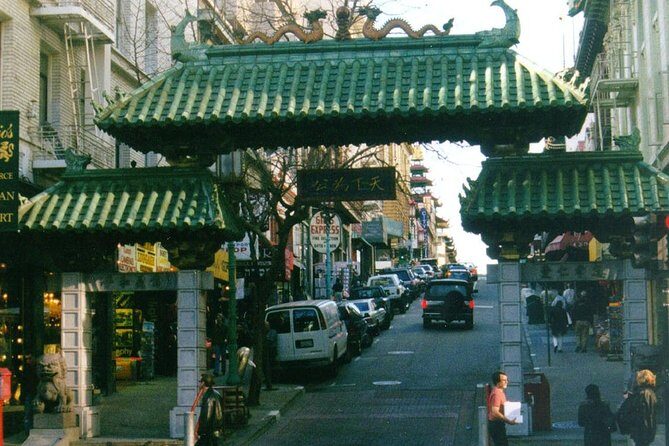
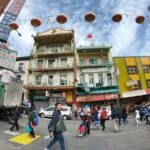
The tour starts at San Francisco’s Dragon Gate, a landmark that works like a mental “key” to the neighborhood. From there, your guide doesn’t treat Chinatown like a theme park. Instead, you move through narrow streets and quieter passageways while you build the story of how this community formed, survived, and kept its traditions.
This is the part that helps later. When you understand what you’re looking at—shopfront style, food names on signs, the idea of markets as everyday infrastructure—Chinatown stops feeling like random stops and starts feeling like a living system. The best guides also bring the stories down to earth: immigration and resilience, yes, but also what people shop for, eat, and celebrate now.
One practical note: the tour ends at 650 Jackson St, so you’re walking a loop through the heart of the neighborhood. It’s not a “stand still and look” experience.
You can also read our reviews of more walking tours in San Francisco

Dim sum and BBQ buns: tastings that feel like a meal
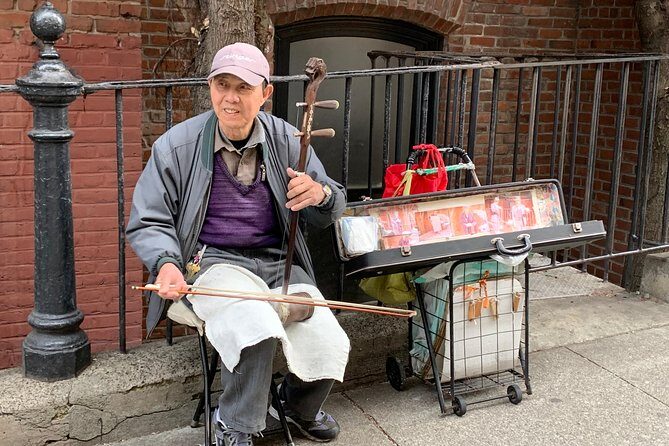
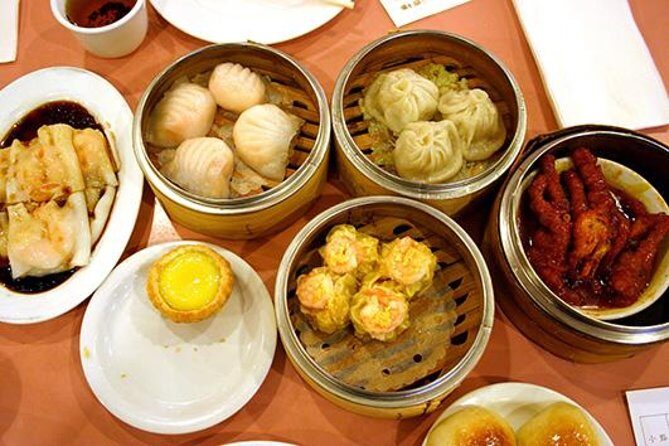
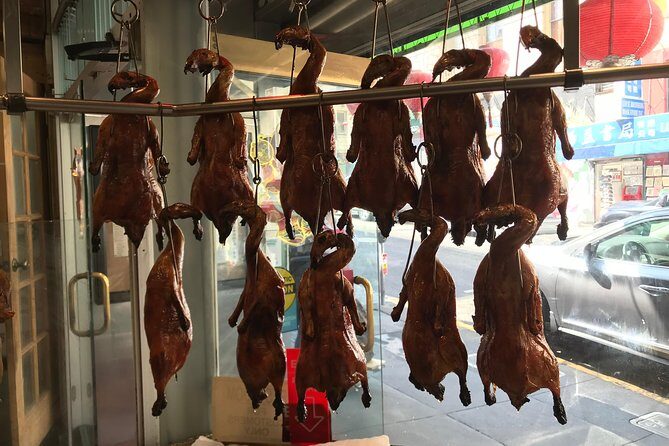
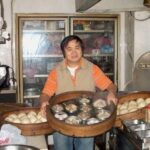
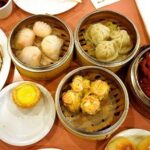
The heart of the experience is food, and the good news is that it’s planned to land as a full lunch instead of a string of tiny snacks. Expect dim sum and classic items like BBQ pork buns, plus other Chinatown treats that keep showing up at different stops rather than repeating the same thing.
The vibe here is “walk, learn, taste, repeat.” You’ll hit multiple eateries and market-style locations during the route, so your plate changes throughout the three hours. This matters because Chinatown food is all about variety—steamed, baked, fried, savory, and sweet—often in one sitting.
If you care about eating well, pay attention to how the timing works. Guides keep the group moving at a pace that’s fast enough to cover a lot, but not so fast you feel rushed at each tasting. Several guides on this tour (like Ryan, Andre, Scott, and Isabella) are known for mixing history with food talk, which can help you understand what you’re tasting and why it’s local favorites rather than generic “tour food.”
Balance check: one person did feel the tour leaned more history-and-culture than a pure foodie sprint. If you’re hoping for a heavy-duty food crawl with minimal commentary, consider that this is also built as a context-and-connection tour, not only a tasting contest.
Tea tasting at Vital Tea Leaf: where the tour slows down
A major highlight is the tea segment, and it’s not treated as an afterthought. You’ll stop at a family-run tea shop for a tasting where your guide explains Chinese tea culture and the way different teas fit into daily life.
At least one recurring favorite is Vital Tea Leaf, where the host brings humor and personality to the tasting. That combination is powerful: tea can be intimidating if you don’t know what you’re tasting, but a guide who can translate flavor and custom into plain talk turns it into something you can actually remember.
Here’s why this stop is valuable for your trip, even if you think you’re not a “tea person.” Tea is a big part of how Chinese neighborhoods slow down conversations and hospitality. When you learn that, the tastings make more sense. The experience becomes more than food—it becomes cultural literacy you can use the next time you order tea in a restaurant.
Fortune cookies, made fresh at the Golden Gate factory
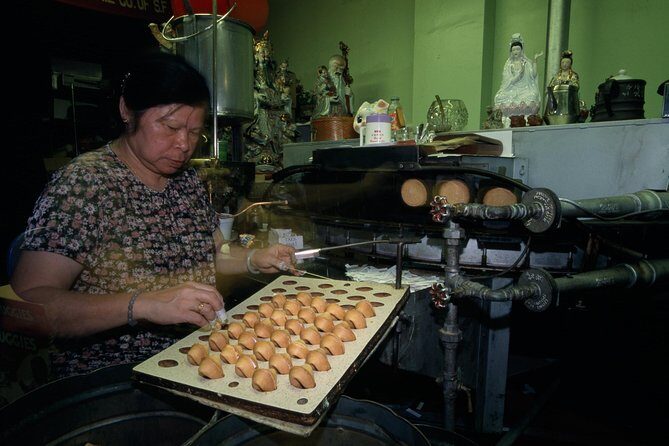
You’ll visit the Golden Gate Fortune Cookie Factory and get to see (and sample) fortune cookies made before your eyes. This is the kind of stop that works because it’s quick, visual, and tied to a specific tradition—so you’re not just eating something because it’s famous.
Also, fortune cookies are one of those items people think they already understand. Watching the process gives you a new appreciation for how a simple pastry can become part of celebrations and everyday luck. If you’re traveling with kids or teens, this stop tends to land well because it turns food into a mini spectacle.
One caution, based on real-world timing: on busy days, lines can affect whether every factory moment happens exactly as planned. The tour is designed to include it, but if you’re visiting during a high-traffic period, expect there could be minor adjustments.
Stockton Street markets: herbs and produce up close
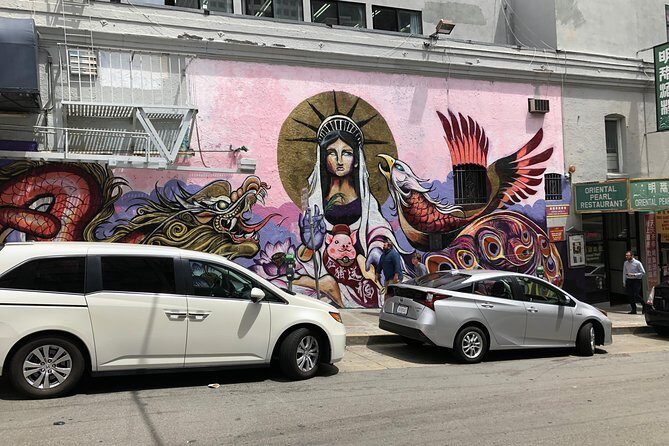
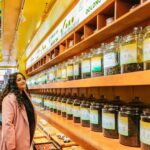
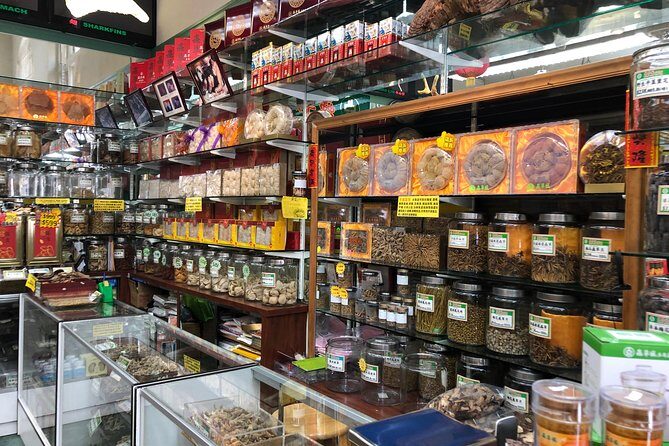
After the big landmark and the food stops, you get a more grounded look at Chinatown’s shopping life. You’ll spend time around the Stockton Street markets, where locals buy daily staples—produce, herbs, and specialty ingredients.
This part is worth it because it shows you the “source” behind the menu. When you can connect an herb or ingredient you see in a shop to a flavor you tasted earlier, the meal sticks better. It also makes you feel less like you’re consuming Chinatown and more like you’re learning how people live inside it.
If you enjoy food shopping, this is the moment to take your time visually. You’ll have a guide to help interpret what you’re seeing, which is handy if you’re used to grocery shopping but not Chinese market shopping.
You can also read our reviews of more food & drink experiences in San Francisco
How the route handles Chinatown hills and your energy
Chinatown is not flat. Even when the distances aren’t huge, the grade changes your pace. Several people specifically called out that it’s hilly and mentioned that there’s typically a manageable climb, with time to recover.
So plan for walking comfort. Think about good traction shoes and a willingness to slow down on the way up. The group size helps here: with 15 or fewer people, your guide can manage the pace and keep the experience from turning into a sprint where nobody can catch up.
A good guide also does something subtle: they make you feel allowed to ask questions without feeling like you’re slowing the train. On this tour, that kind of interactive Q&A is a big part of why the experience feels personal rather than scripted.
Price and value: what $86 buys you in practice
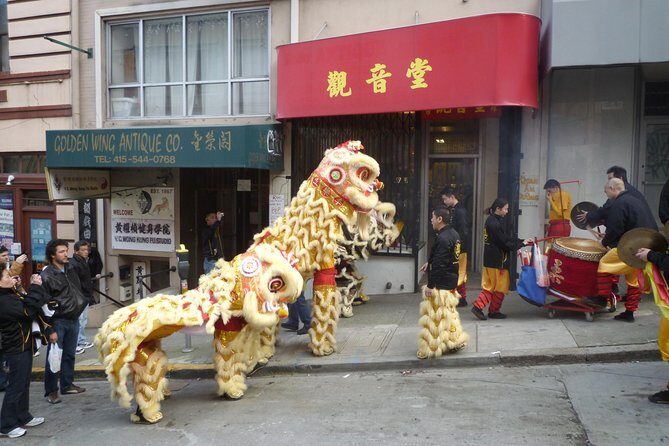
At $86 per person for about three hours, the value depends on what you want from Chinatown.
If you treat this as a pay-to-eat tour, it can feel pricey at first. But it’s not a couple of bites and a single drink. The plan includes a traditional Chinese lunch-style spread, multiple tastings (like dim sum and BBQ pork buns), tea tasting, and fortune cookie sampling. It also includes guided storytelling that helps you understand what you’re eating and where you are.
I also think the small-group cap matters for value. When you’re with a guide who can answer questions and adjust pace, you’re buying time and context—not just food. A guide like Ryan, Andre, Scott, or Brian is often praised for turning history into conversation, not a lecture.
One more detail: the tour’s average booking window is about 24 days in advance. That’s a sign it’s popular, and it’s worth booking earlier if you’re traveling in peak season or around weekends.
Who should book this Chinatown walk-and-food tour
This works best for you if you want:
- A guided introduction to San Francisco Chinatown that doesn’t ignore culture
- A well-planned tasting route with dim sum, BBQ buns, tea, and fortune cookies
- A small group where questions feel normal
- A pace that mixes walking with food and explanations, not nonstop touring
It may be less ideal if:
- You only want food and minimal talking (this tour has a clear history-and-culture backbone)
- You have a nut allergy, because the tour provider states they are not able to accommodate nut allergies
It’s also a good match for families with teens and mixed groups. People have mentioned that teens enjoyed it, partly because the stops are concrete and hands-on (like fortune cookie making and tea tasting).
Should you book it?
If you want a first-time Chinatown experience that gives you both flavor and context, I’d book this. The mix of Dragon Gate orientation, lunch-style tastings, fortune cookie making, and a serious tea stop is a strong combination for getting your bearings fast.
I’d only hesitate if hills are a big deal for your group or if you need a strict food-allergy accommodation. Otherwise, this is the kind of tour that helps you walk away understanding the neighborhood—not just eating your way through it.
FAQ
What’s included in the tour?
You’ll do a guided walking route through Chinatown with multiple tastings that add up to a lunch-style meal. The tour includes dim sum and BBQ pork buns, along with a tea tasting and a fortune cookie factory stop where you can see and sample fresh fortune cookies.
How long is the Chinatown walking tour?
It runs for about 3 hours (approx.).
Where do you meet, and where does it end?
Meet at 400 Grant Ave, San Francisco, CA 94108. The tour ends at 650 Jackson St, San Francisco, CA 94133.
How big is the group?
The tour is limited to a maximum of 15 travelers.
Can you accommodate nut allergies?
No. The provider notes they are not able to accommodate nut allergies.
Can I cancel and get a full refund?
Yes. There is free cancellation, and you can cancel up to 24 hours in advance for a full refund.