REVIEW · SAN FRANCISCO
San Francisco: Food + History + Art Tour
Book on Viator →Operated by Real San Francisco Tours · Bookable on Viator
The street art and food here make it hard to stay still. This small-group walking tour links the Mission District’s sights with enough tastings to feel like a real meal, plus history context you can actually see on the blocks.
What I like most is the mix of murals and neighborhood history paired with guided commentary, not just random photo stops. I also love that you get 3–4 tastings—each timed for about 20 minutes—so you’re not constantly hungry or guessing where to eat next.
One thing to keep in mind: it’s still a walking tour. If you’re slow on your feet, you may find the pace a little tight for a full 3 hours, especially between stops.
In This Review
- Key highlights to know before you go
- Why the Mission District is built for a food-and-art walk
- Meeting point and 3-hour pace (how not to miss the start)
- Mission District orientation: history you can see on the street
- Mission Street food energy: short walk, big payoff
- Balmy Alley Murals: street art you can actually walk around
- Valencia Street tastings: where the tour becomes a meal
- The Women’s Building mural: a focused look at a specific landmark
- Mission Dolores Park finish: sit, regroup, and breathe
- Castro after the tour: an easy next stop, not a hard sell
- Price and value: what $100 buys in real time
- What makes the guide matter (and why timing feels right)
- Who this tour fits best (and who may want a different option)
- Should you book this Mission District Food + History + Art tour?
- FAQ
- How long is the San Francisco Food + History + Art Tour?
- How much does the tour cost?
- Where do I meet the tour guide?
- Where does the tour end?
- How many people are in the group?
- Are food tastings included?
- Are drinks included?
- Is admission included for the Women’s Building mural stop?
Key highlights to know before you go
- Food tastings that add up to a full meal: 3–4 samples, each about 20 minutes long
- Street art stops with real local landmarks: Balmy Alley Murals and the Women’s Building mural
- Guided neighborhood context: you’ll get the story behind what you’re seeing as you walk
- A good park ending: Mission Dolores Park gives you a breather to sit and reset
- Small group size: up to 15 people, so the guide can keep things moving
- Quick Castro follow-up: you finish close enough to keep exploring right after
Why the Mission District is built for a food-and-art walk
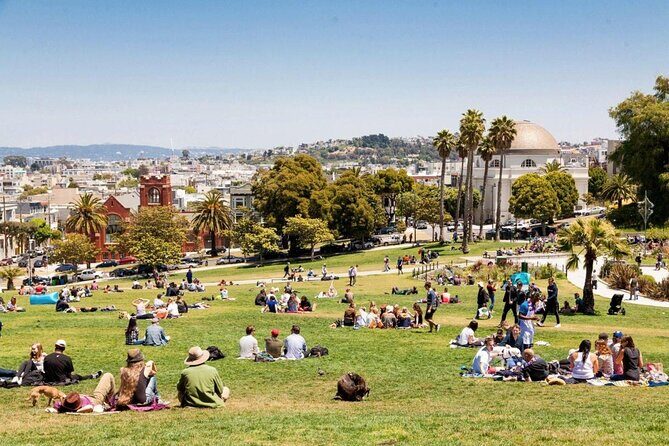
San Francisco’s Mission District is the kind of place where you learn by walking. One block you’re looking at wall-sized art; the next you’re noticing the food choices that tell you what people actually eat around here. This tour uses that natural flow. You don’t just look at the neighborhood—you get fed, then you get context, then you get art again.
The best part is that the food isn’t separate from the story. When your guide points out what’s changed, what’s stayed, and why certain streets feel the way they do, the tastings make more sense. You’re not eating in a vacuum. You’re tasting the neighborhood’s present while hearing how it got there.
This is also where the guide quality matters. In the small number of reviews tied to this tour, the guide name Kevin shows up—people call him friendly and knowledgeable, and I like that this tour seems to use the time wisely instead of stretching it thin.
You can also read our reviews of more food & drink experiences in San Francisco
Meeting point and 3-hour pace (how not to miss the start)
You’ll start at Elsy’s Restaurant, 2893 Mission St, San Francisco, CA 94110, at 12:00 pm. The tour ends at 18th Street & Church Street near Mission Dolores Park, about 10 minutes on foot from Castro Street. After the last main segment, you’ll have an easy jump-off point to wander the Castro area on your own.
Plan to arrive 10–15 minutes early. The tour is structured, so if you show up late, you may lose your place in the group. The time is set up so you’re doing multiple short stops, with tastings taking up real time (not quick bites).
Group size is capped at 15 travelers. For a walking food-and-art tour, that matters. It’s large enough to feel like a group, but small enough that you’re not getting stuck at the back every five minutes.
If you’re the type who likes taking your time at each stop—lingering over a mural, reading every sign, lingering over your food—build in that you may need to move a bit briskly at times. It’s not a slow drift. It’s a guided walk with scheduled moments.
Mission District orientation: history you can see on the street
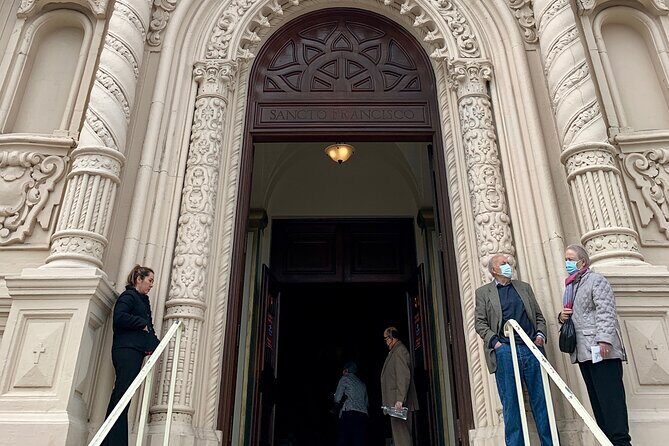
The tour kicks off with about an hour focused on the Mission District itself. This is where the guide sets the stage—why these streets became a hub, how the neighborhood identity shows up, and how art and everyday life collide here.
This opening matters because it changes how you experience the rest of the route. By the time you hit the mural walls and the food streets, you have a mental map of what you’re looking at. Instead of only asking, What is that? you start asking, Why is it here? and What does it represent?
Expect a walking-first orientation: you’re not sitting in one place. The value is that you learn while the city is still in front of you. You’ll also pick up local cues—how streets relate to each other and what kinds of places belong together in the neighborhood.
One practical note: since the route is on foot, wear shoes you’re comfortable with for a few hours. You’ll be moving often, and the time blocks assume you’re walking at a reasonable pace.
Mission Street food energy: short walk, big payoff
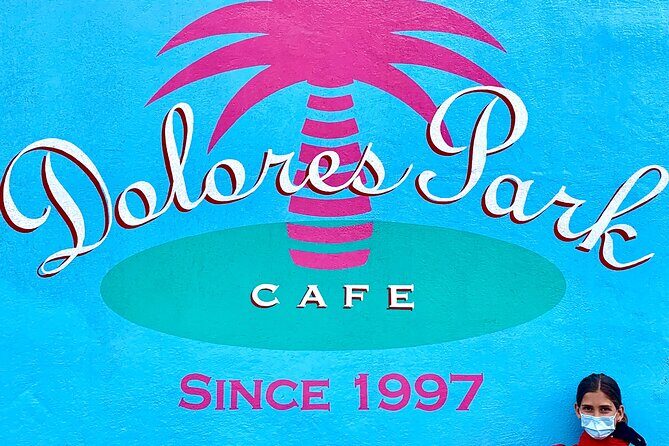
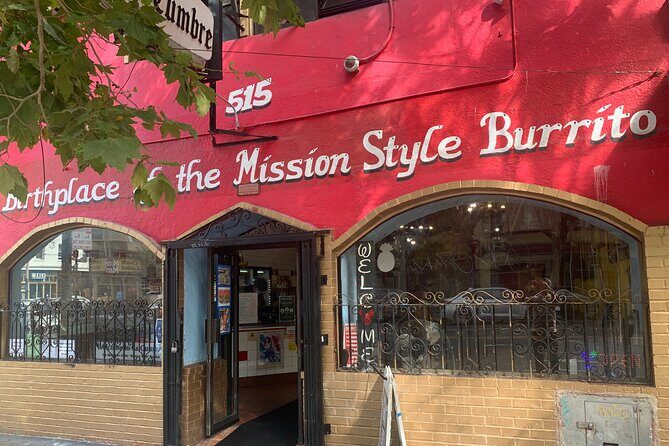
Next, you head to Mission Street for about 20 minutes. This is a good segment for getting your bearings fast. Mission Street can feel like a corridor of activity, and this stop is basically your on-ramp to that rhythm.
The tour frames Mission Street food in a way that’s more useful than just naming restaurants. You’ll learn what to look for—what kinds of eateries are popular in the area and how the neighborhood’s tastes show up along the street.
This segment is short, so don’t treat it like a full meal break. Think of it as context and sampling setup. If you’re arriving from a late breakfast or you’re not a big eater, the tastings will still land later. Plan for that and pace your hunger.
Balmy Alley Murals: street art you can actually walk around
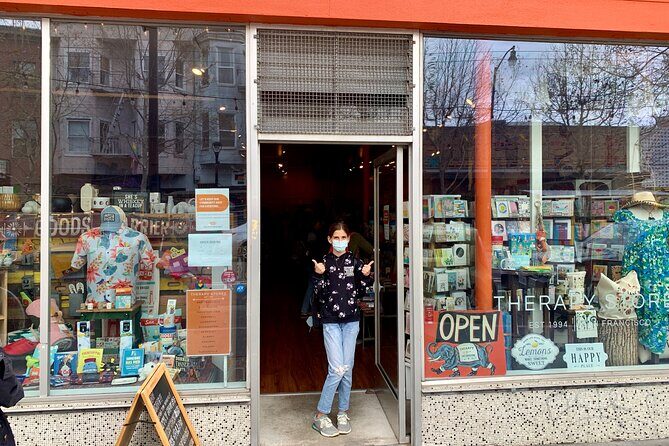
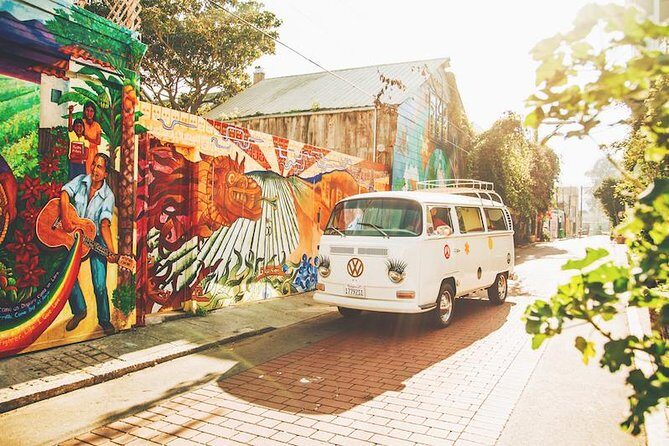
Then you go to Balmy Alley Murals, about 20 minutes. This is one of the key art stops because it’s not just a wall—you’re walking through an outdoor gallery with a local landmark feel.
What makes this stop special is the way your guide can point out visual storytelling. Murals often show multiple layers—community identity, political messages, cultural references—and a guide helps you notice what you’d otherwise gloss over if you were just taking photos.
A good move here: slow down. This is the moment in the tour where your eyes should do the work. Stand, look, then walk a little more. If you rush, you’ll miss the details that make street art more than decoration.
Also, bring a bit of flexibility. Outdoor mural areas can be busy at times, and your group may pause to regroup. That’s normal for this kind of stop.
You can also read our reviews of more tours and experiences in San Francisco

Valencia Street tastings: where the tour becomes a meal
Valencia Street is where the tour starts earning its keep on hunger. You spend about 30 minutes here, and this is one of the most food-forward stretches of the route.
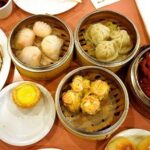
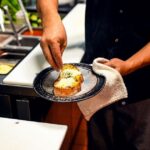
This tour includes 3–4 food tastings, each for about 20 minutes, and the total amount is described as the equivalent of a normal 3-course meal. That’s a strong promise for a 3-hour tour, and it’s why the scheduling matters: you’re not just getting tiny samples. You’re getting enough to feel like you actually ate.
The guide’s role here is practical. They help you pick what’s worth tasting in a neighborhood where there’s a lot of choice. This saves you time and guessing later, especially if you’re only in San Francisco for a short visit.
A heads-up: drinks aren’t included. If you want water, coffee, soda, or anything with caffeine, plan on paying separately. If you’re sensitive to heat or walking time, carry water or plan for a purchase along the way.
Also, keep in mind you’ll be eating in a walking schedule. If you have strong dietary needs, you should look into what the tastings can accommodate. The tour data here doesn’t specify allergy handling, so don’t assume every dietary preference will work smoothly.
The Women’s Building mural: a focused look at a specific landmark
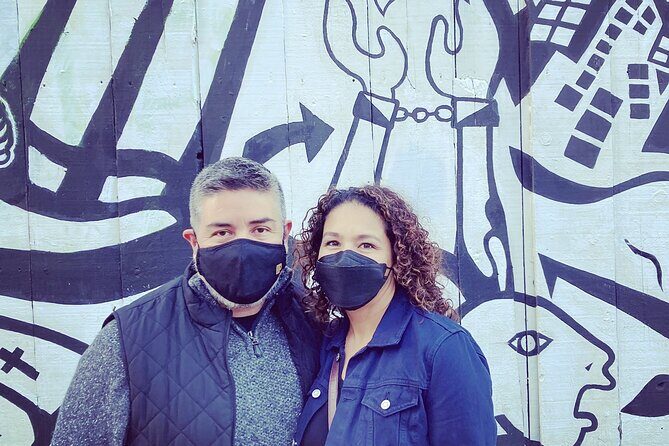
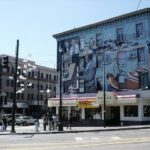
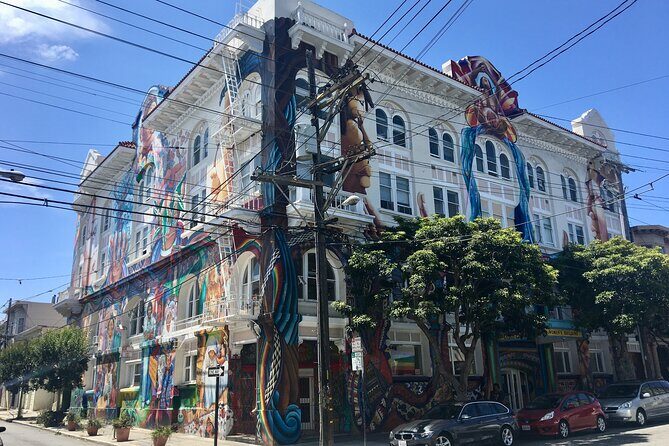
You’ll then stop at the Women’s Building mural, about 10 minutes near a historic five-story building. This is a shorter stop by design, but it’s a meaningful one because it’s tied to a known local landmark.
The key detail: admission is not included for this stop. That doesn’t necessarily mean you can’t view it easily from outside, but it does mean you should be ready for potential extra cost if something inside is part of what the guide expects.
This segment is worth treating like a quick chapter. In 10 minutes, you won’t read every bit of context, so follow the guide’s lead on what matters most.
Then the tour shifts again into a calmer mode as you head toward the park.
Mission Dolores Park finish: sit, regroup, and breathe
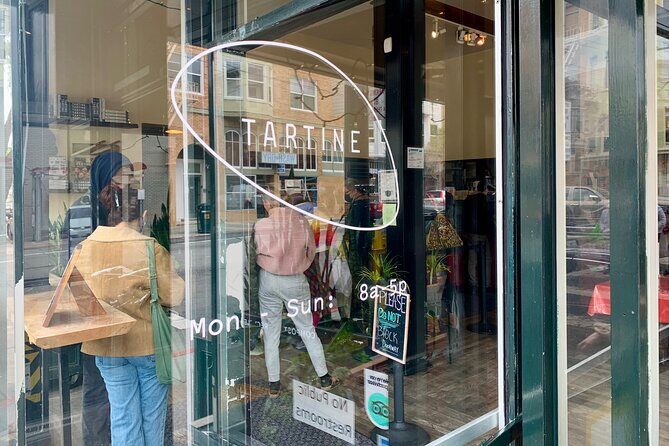
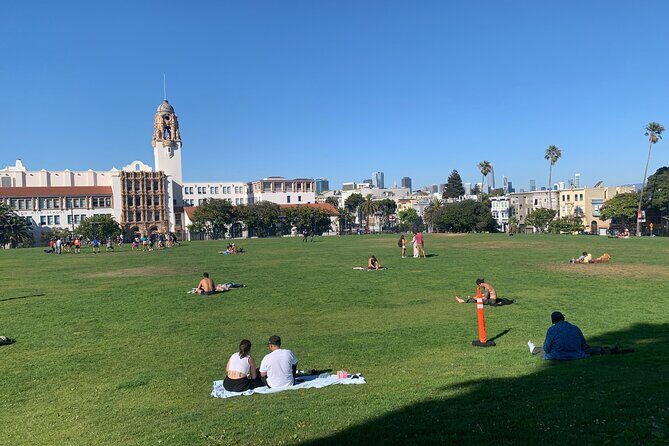
You end the main route at Mission Dolores Park for about 20 minutes. The park stop is not just a random landmark. It’s a smart travel move.
After a string of streets and food, the park gives you a place to sit down and process everything you just learned and ate. It’s also a natural way to transition from “tour mode” to “own your afternoon” mode.
The tour ends near a MUNI stop, and the data notes that it’s about a 10-minute walk from Castro Street. That means you’re not stuck far away from another neighborhood you might want to explore next.
If you like people-watching and city views, this part is where the neighborhood stops being an assignment and becomes your playground.
Castro after the tour: an easy next stop, not a hard sell
Finally, you get a short 10-minute look at the Castro area, with the note that the tour ends only about 5 minutes walk away from the Castro. That’s a practical benefit if you don’t want to plan your whole day around transportation.
The Castro segment is brief, so treat it as orientation rather than a complete neighborhood tour. You’ll likely leave with a better sense of where you want to wander next—especially if you’re interested in another slice of San Francisco culture.
The real value is the handoff. You’re not ending in a dead zone. You’re finishing in a place where you can keep moving without adding extra travel planning.
Price and value: what $100 buys in real time
The tour costs $100 per person for about 3 hours. For a walking tour, that could feel steep—until you compare what you actually get.
You’re paying for:
- A guide (who you’ll rely on for timing and context)
- 3–4 food tastings, each around 20 minutes
- Multiple stops tied to street art and neighborhood history
- A small group capped at 15
- Plus a donation: $1 per guest goes to Climate Cents
Tastings are the big value driver. If each tasting slot is long enough to function like a course, you’re not just buying snacks. You’re buying time, planning, and access to food choices that match the neighborhood theme.
The main cost you’ll likely add: drinks. Since those are not included, your final bill depends on your choices. Also consider gratuities, which aren’t included. The tour suggests voluntary tipping in the 15–20% range if you enjoyed the guide. If you’re budgeting, include that in your mental math.
Overall, I think this is best treated as a guided “lunch you don’t have to plan” plus an art-and-street-history walk. If you want to learn and eat at the same time, the price is easier to justify.
What makes the guide matter (and why timing feels right)
The reviews attached to this tour emphasize one theme: getting a solid amount covered in the timeslot. The guide Kevin is specifically called out as friendly and knowledgeable, and that combination matters a lot for this kind of experience.
A good guide keeps the walking moving, but also stops when it counts. On a tour like this, stopping is everything: you want the mural explanation, the history context, and the food guidance at the right moments—not rushed, not dragged.
Since you’re in a small group, you also get a better chance for the guide to manage questions. That turns the tour from a script into something more responsive, which is what you want on your first time in the Mission.
Who this tour fits best (and who may want a different option)
This tour is a great match if you:
- Want food + art + neighborhood context in one 3-hour block
- Like street art and want more meaning than just photos
- Prefer walking tours that end with a natural place to sit, like a park
- Enjoy small groups (max 15 keeps it manageable)
It may be less ideal if:
- You have limited mobility. The tour is designed as walking segments at a reasonable pace, and the guidance is to book a private tour through the provider if mobility is an issue.
- You need strict dietary accommodations you’re not sure the tastings can support. The tour data doesn’t specify options, so you’d want to verify before booking.
Should you book this Mission District Food + History + Art tour?
If you’re heading to San Francisco and you want one experience that covers several of the city’s best things—food, public art, and neighborhood storytelling—this is a strong choice. The schedule makes sense for a first or second day because it orients you to the Mission District, then gives you an easy launch point into the Castro without extra hassle.
Book it if you like your travel day active but not exhausting, with stops that actually connect the dots. Skip or consider another format if you’re very sensitive to walking time, or if you have dietary needs that require clear, guaranteed options for tastings.
If you do book, show up a little early, wear comfortable shoes, and come hungry for real. With tastings that add up to a meal, you’ll get the best experience out of it.
FAQ
How long is the San Francisco Food + History + Art Tour?
The tour lasts about 3 hours.
How much does the tour cost?
It costs $100.00 per person.
Where do I meet the tour guide?
The start is at Elsy’s Restaurant, 2893 Mission St, San Francisco, CA 94110.
Where does the tour end?
It ends at 18th Street & Church Street. The tour ends near Mission Dolores Park by the MUNI stop and is about a 10-minute walk from Castro Street.
How many people are in the group?
The tour has a maximum of 15 travelers.
Are food tastings included?
Yes. You get 3–4 food tastings included, each for about 20 minutes, with the equivalent of a normal 3-course meal.
Are drinks included?
No, drinks are not included.
Is admission included for the Women’s Building mural stop?
No. Admission for that stop is not included.