REVIEW · SAN FRANCISCO
San Francisco: Chinatown Culinary Walking Tour
Book on GetYourGuide →Operated by Local Tastes of the City Tours · Bookable on GetYourGuide
Food smells lead the way in Chinatown. I love the Chinese tea and herb tasting and the dim sum at the oldest Chinese bakery in San Francisco. The tradeoff: you’ll walk a lot for 3 hours, and you’ll eat plenty—so wear comfortable shoes and don’t show up starving and then stuff yourself at the start.
This is also one of those tours where the guide really matters. Names that keep popping up in feedback include Ryan, Andres, Scott, Cynthia, Brian, and Isabella, and the common thread is clear explaining and attention to whether everyone feels comfortable. One thing to watch: the pace can feel fast, so if you want long photo stops, plan to keep moving.
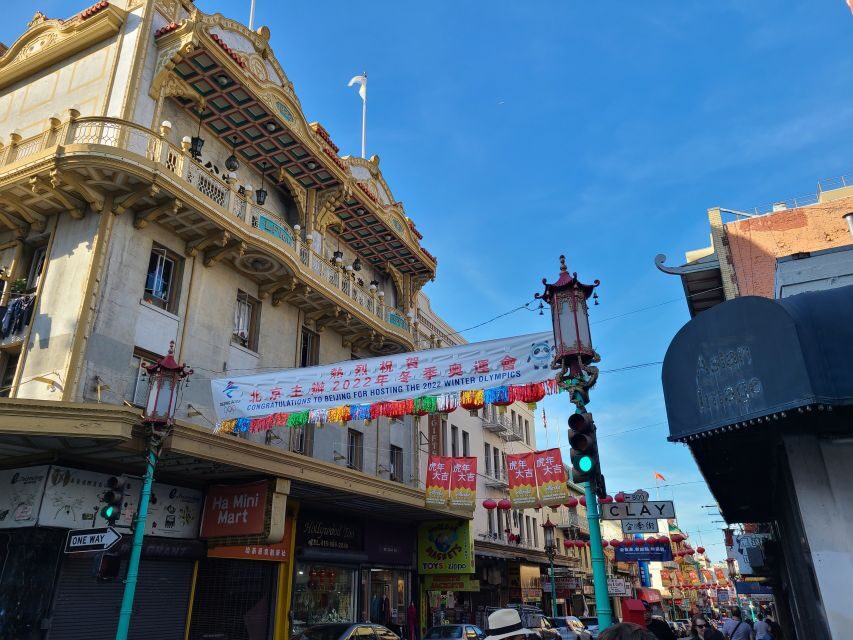
You’ll meet at the Chinatown Gate at the corner of Bush and Grant streets, then slip into the alley network off Grant Avenue and Stockton Street. Expect food markets, handcrafted fortune cookies, pottery and cookware shops, and a look inside a Buddhist temple area—packed into one focused walking loop.
In This Review
- Key points I’d put on your planning list
- Chinatown by the Numbers: what you’re really paying for
- Meeting at Bush & Grant: getting oriented fast
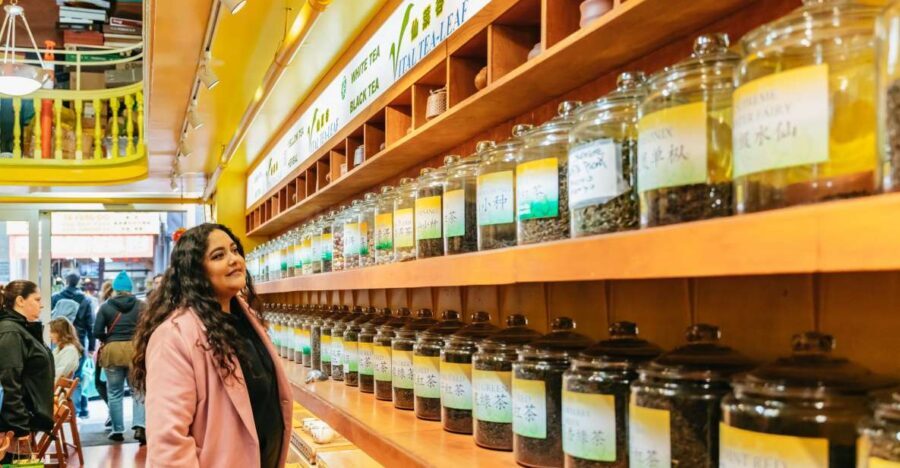
- The Tea and Herb Lesson: learning what you’re actually smelling
- Fortune Cookies, Made by Hand: the craft stop that feels real
- Markets and Alley Finds: produce, goods, and the shopfront story
- Dim Sum at the Oldest Chinese Bakery: your main tasting payoff
- Walking Pace Reality Check: how to enjoy it without rushing
- Buddhist Temple Stop and Cathedral Time: culture without the lecture
- Price and value: does $84 really make sense?
- Who should book this Chinatown culinary tour (and who should skip)
- Should you book? My practical take
- FAQ
- Where is the meeting point for the Chinatown Culinary Walking Tour?
- How long is the tour, and what’s the cost?
- What’s included in the price?
- What language is the tour guide?
- What should I bring?
- Should I eat before the tour?
- What food and drink will I taste?
- Is the dim sum stop at a specific bakery?
- Are there cancellation options?
- What if I want flexibility with payment?
Key points I’d put on your planning list
- Tea and herbs up close: You’ll learn about the types of teas and herbs from the people selling them.
- Hand-made fortune cookies: You’ll watch artisans making them by hand.
- Old bakery dim sum stop: One of the tour highlights is the dim sum served at the oldest Chinese bakery in the city.
- More than food: You’ll also see antiques, ritual objects, pottery, and cookware shopfronts.
- Built-in pace: It’s a 3-hour walk with frequent tastings, so bring comfortable shoes and plan simple meals before.
Chinatown by the Numbers: what you’re really paying for
At $84 per person for a 3-hour walking tour, the price isn’t about a quick stroll with a single snack. It’s about a sequence of multiple food and drink tastings plus a guide to translate what you’re seeing—tea shops, herb sellers, markets, and specialty bakeries that you might not easily navigate on your own.
The best way to think about value here is to compare it to eating a “normal” day in Chinatown. In a short time, you’ll likely sample enough food to count as more than one meal: dim sum plus other pastries and treats, along with aromatic teas. Several people note they got more food than expected, and that’s exactly what you want from a tasting tour.
Also, Chinatown is the kind of place where a guide saves you time. The alleys can feel like a maze, and the fun is in the details—what’s sold where, why certain ingredients matter, and how the food shops evolved over time.
You can also read our reviews of more walking tours in San Francisco

Meeting at Bush & Grant: getting oriented fast
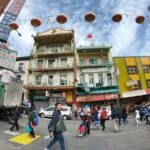
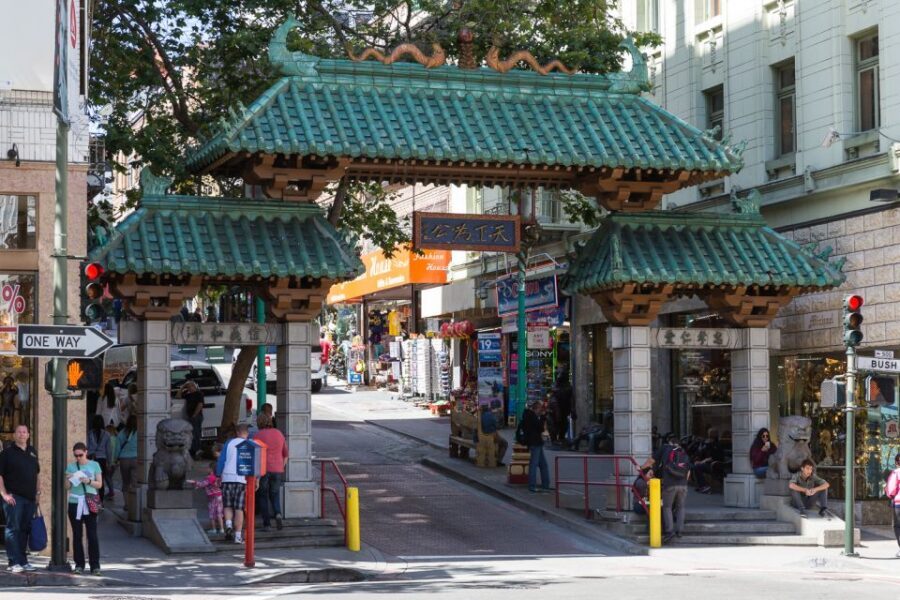
The meeting point is easy to find: in front of the Chinatown Gate, on the corner of Bush and Grant streets. From there, the tour moves into the side streets and back alleys off Grant Avenue and Stockton Street—so you’re not just photographing the main drag. You’ll get your bearings quickly, and you’ll start seeing the district as a network, not one straight line.
This matters because if you try to self-tour, you often end up bouncing between a few landmarks. On this tour, the path is designed to keep your senses active: you’ll see shops, smell spices and baked goods, and then tie it together with tastings at the right moments.
Pro tip: if you’re prone to getting distracted by alleys (which… you probably will), keep your shoes comfy and your schedule loose. The tour is a “keep moving” kind of experience.
The Tea and Herb Lesson: learning what you’re actually smelling
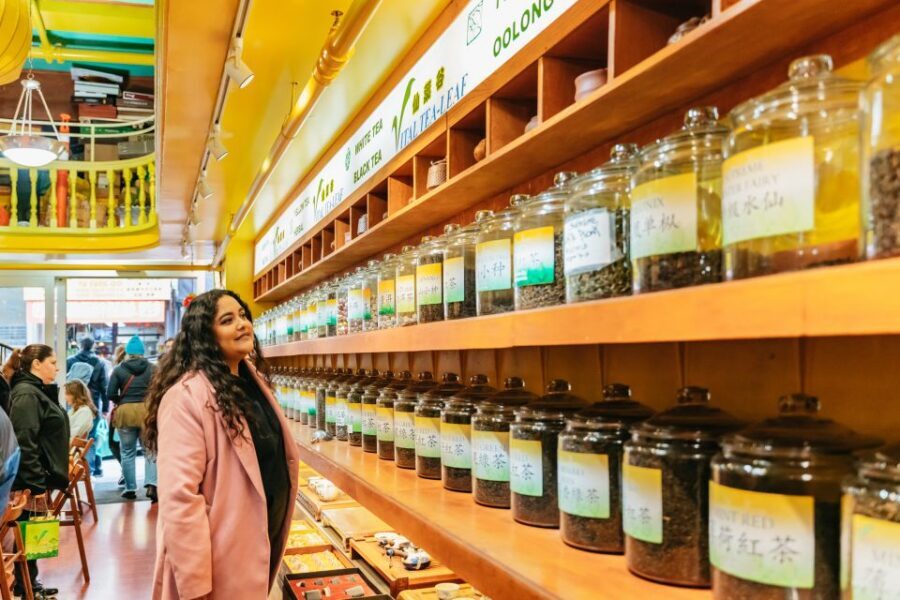
One of my favorite parts of Chinatown food tours is when they turn “I like this flavor” into “I know why this flavor works.” Here, the tea and herb stop does that job. You’ll learn about varieties of Chinese teas and herbs from local vendors, with tastings that let you compare aromas and strengths rather than guessing.
You’ll also pick up a practical kind of knowledge. Instead of treating tea as one monolithic thing, you’ll start noticing differences that match the way vendors talk about the herbs and what people use them for. Even if you don’t buy anything, the tasting gives you a mental reference point for future visits.
I like that this isn’t just a sales pitch. It’s part of the tour’s larger theme: Chinatown as a living food system, where ingredients, shopkeepers, and traditions all show up in everyday form.
Fortune Cookies, Made by Hand: the craft stop that feels real
Another memorable segment is the artisan fortune cookie moment—watching cookies made by hand. It’s short, but it changes how you think about the snack. Fortune cookies can feel like a generic souvenir elsewhere, but here you’re seeing the production process and how the craft fits into the shop world.
This kind of stop is also great for pacing. After walking through markets and storefronts, you get a hands-on, visually clear moment. Your brain resets, you look closer at details, and then you’re ready for the next tasting.
If you’re the kind of person who loves food as culture (not just food as calories), this is the stop that will likely stick with you.
Markets and Alley Finds: produce, goods, and the shopfront story
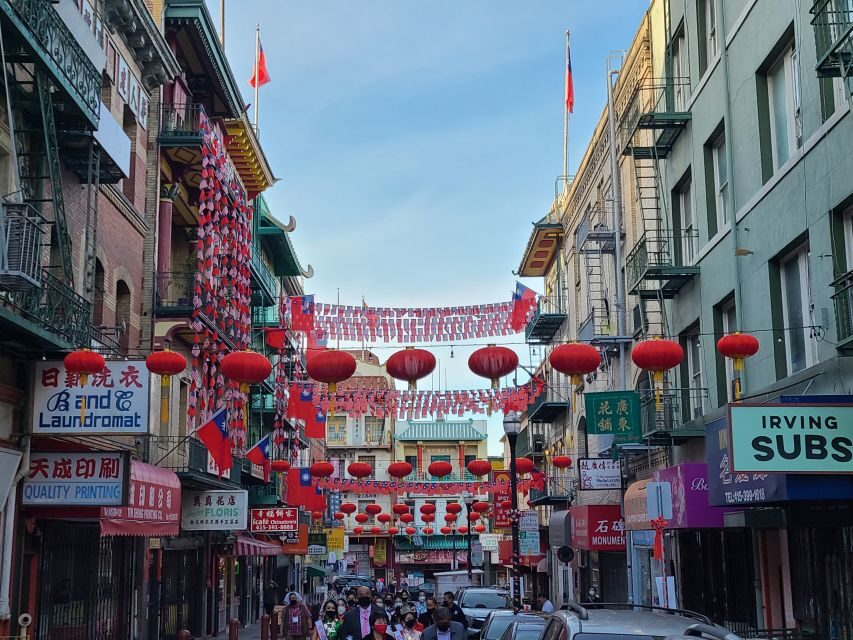
As you wander, you’ll peruse busy streets and markets for fascinating produce and goods. This is where you’ll start noticing the rhythms of the neighborhood—what sells in the morning, what looks like a specialty ingredient, and what’s packaged for eating at home vs. buying as a treat.
The tour also includes stops for shopfronts with things like:
- pottery and craft items
- antiquities and ritual objects
- cookware and related goods
Even if you don’t buy souvenirs, these stops are worth it. Chinatown’s storefronts can look chaotic from the sidewalk. With a guide, you learn how the shops connect to the food side—because a lot of the culture you’re tasting also appears in the objects people use.
One quick consideration: if you hate shopping during walking tours, keep a light touch. You can enjoy looking without feeling pulled into buying. The tastings and learning moments are the core value.



Dim Sum at the Oldest Chinese Bakery: your main tasting payoff
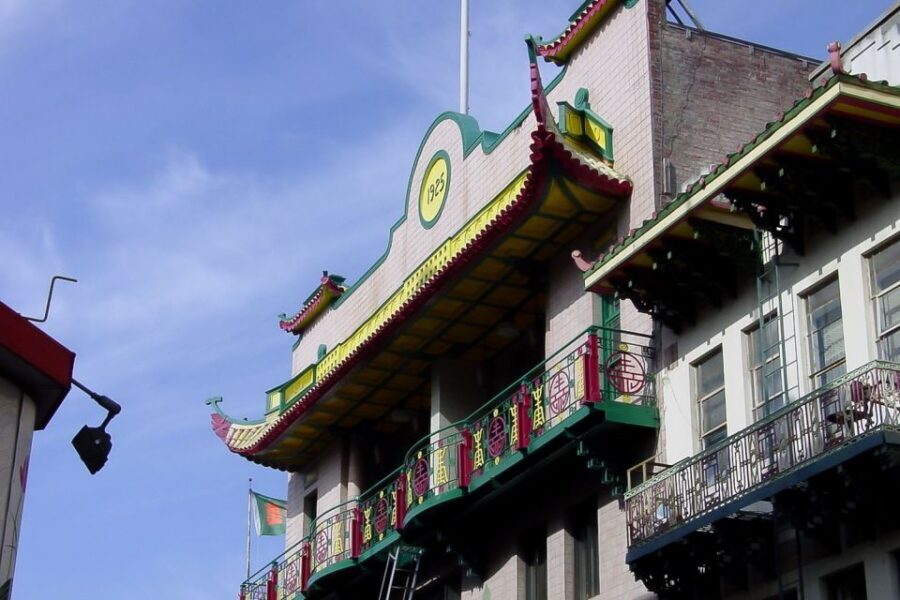
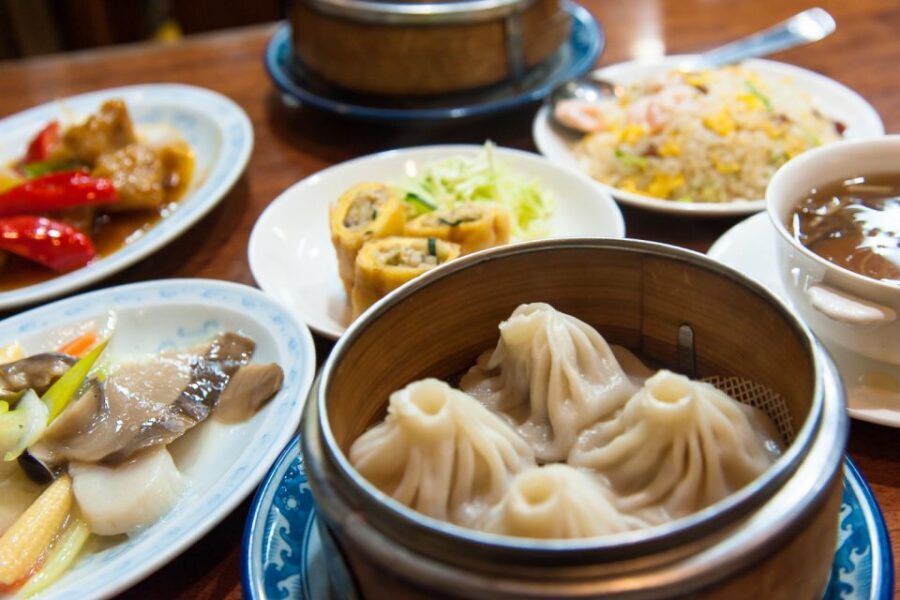
The dim sum stop is a highlight for a reason: it’s not a random restaurant pick. The tour focuses on serving dim sum at the oldest Chinese bakery in the city, a detail that gives the meal weight.
Dim sum on a walking tour also has a practical advantage. You’re not left alone to guess what to order. You get guided tasting portions, and you get a chance to sample items you might skip if you were just trying to pick the safest thing on the menu.
How to handle it: don’t eat too much beforehand. The tour is very clear that tasting portions are ample. A lot of people end up feeling stuffed by the end, so treat the tour like your meal plan, not your add-on.
Also, keep water handy if your group allows it. The tour doesn’t mention hydration gear, so don’t assume bottled water is included—use common sense and bring a plan if you know you get thirsty.
Walking Pace Reality Check: how to enjoy it without rushing
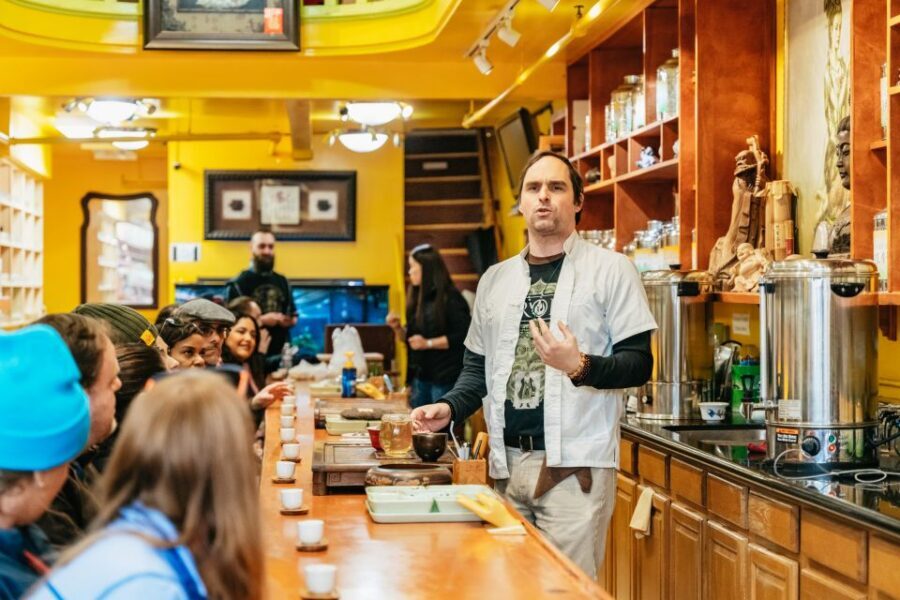
Several reviews point out that the walking and conversation pace can be a bit fast, with plenty of territory covered. That’s a normal trade in a 3-hour food tour: you either go slow and cover fewer stops, or you cover more and keep the energy up.
If you want this tour to feel great rather than stressful:
- wear shoes that you can walk in for a while
- keep your phone battery ready for photos when you can
- accept that you’ll probably see more than you’ll photograph
The upside of the pace is that you leave with a much better sense of Chinatown than you would by doing two or three stops on your own. You’ll also feel full by design, which is the point.
Buddhist Temple Stop and Cathedral Time: culture without the lecture
Late in the tour, you’ll head to one of the city’s oldest cathedrals and then take a look inside a Buddhist temple. This isn’t a random detour. It reinforces that Chinatown isn’t only about food—it’s also about the communities, traditions, and sacred spaces that exist alongside them.
I like tours that don’t turn every moment into a long lecture. Here, it’s more of an observation stop: you get to see inside a Buddhist temple setting and connect it with the broader story of the district.
If you’re hoping for a heavy religious talk, you might find it lighter than a dedicated religious tour. Still, it adds meaningful context to what you’ve been tasting and seeing for the previous stretch.
Price and value: does $84 really make sense?
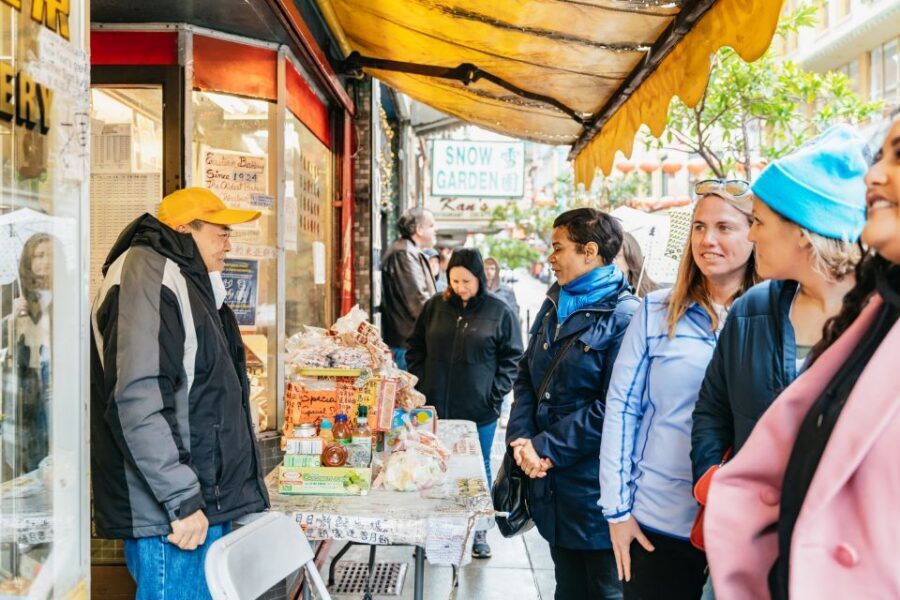
Let’s be honest: $84 for 3 hours is not pocket change. It only feels fair if the tour delivers on tastings and guidance, and the structure here does.
You get:
- a walking tour
- a live English-speaking guide
- all food and drink tastings
When people say they got way more food than expected, that’s the key value indicator. You’re not just paying for “some bites.” You’re paying for a guided sequence where tastings are the main event and the guide helps you understand what you’re eating, smelling, and noticing.
If you like tasting tours, this price is easier to justify. If you’re a light snacker, you might feel the portions are more than you need—though the advice to not eat too much beforehand suggests the tour expects you to come ready.
Who should book this Chinatown culinary tour (and who should skip)
I’d point this toward you if:
- you want a guided walk through Chinatown alleys off Grant and Stockton
- you enjoy food tastings with explanation, not just eating
- you want a dim sum meal without menu guessing
- you’re curious about tea, herbs, and food traditions
- you like craft and shop details (fortune cookie making, cookware, pottery, ritual objects)
I’d reconsider if:
- you hate walking and prefer taxi-to-restaurant plans
- you’re sensitive to being served lots of food in succession
- you need super slow pacing or lots of unscheduled downtime
This tour is best when you treat it like an experience, not just a checklist.
Should you book? My practical take
Book it if you want the fastest path to understanding Chinatown through taste, tea, and real neighborhood details. The combination of dim sum at a historically significant bakery, a tea and herb learning stop, and the hand-made fortune cookie moment makes it more than a typical “eat and go” tour.
If you’re on the fence, use this simple rule: if you’re excited by dim sum and you’re willing to walk, you’ll likely enjoy the value. If you’re not into tasting portions, or you prefer very slow tours, look for a shorter option elsewhere.
Either way, do yourself a favor and show up with comfortable shoes and a light appetite. It’s one of those tours where the best strategy is to let Chinatown feed you the whole way through.
FAQ
Where is the meeting point for the Chinatown Culinary Walking Tour?
Meet in front of the Chinatown Gate at the corner of Bush and Grant streets.
How long is the tour, and what’s the cost?
The tour lasts 3 hours and costs $84 per person.
What’s included in the price?
You get a walking tour, a live guide, and all food and drink tastings.
What language is the tour guide?
The live tour guide speaks English.
What should I bring?
Bring comfortable shoes since this is a walking tour.
Should I eat before the tour?
You’re advised not to eat too much before the tour because the tasting portions are ample.
What food and drink will I taste?
You’ll taste Chinese specialties, including dim sum, plus authentic fortune cookies and aromatic teas.
Is the dim sum stop at a specific bakery?
Yes. The tour includes dim sum at the oldest Chinese bakery in the entire city.
Are there cancellation options?
Yes. Free cancellation is available up to 24 hours in advance for a full refund.
What if I want flexibility with payment?
You can reserve now and pay later, so you can book your spot without paying today.