REVIEW · SAN FRANCISCO
SF’s Chinatown: Tea & Dim Sum Food Tour – Includes full meal, 3hr
Book on Viator →Operated by Stretchy Pants LLC · Bookable on Viator
Eat your way through old SF. This 3-hour SF Chinatown tour ties together dim sum lunch, fruit tea, and a real tea tasting—plus quick stops that explain why this neighborhood looks the way it does today. The pace is built for people who want food first, facts second, and a good walk-and-snack rhythm.
I especially like the amount and variety of food. You get a full dim sum-style meal, plus pastries and Chinese snacks, and your plate doesn’t feel like it was designed for one bite per person. I also like the guide energy; I’ve seen groups led by people like Robert, Jacob, Robin, Dale, and Marcy, and the storytelling style ranges from funny anecdotes to structured history.
One thing to consider: the area has steep ground and lots of walking, so it’s not the best match if you have limited mobility. Plan on comfy shoes, slow moments when you need them, and a good attitude for alley-to-restaurant transitions.
In This Review
- Key highlights you should know
- Entering Chinatown the easy way: food, tea, and quick context
- Meet at House of Dim Sum: get your bearings fast
- Stop 1: Dim sum feast and Chinatown’s origin stories
- Stop 2: Golden Gate Fortune Cookies Co and why the line matters
- Stop 3: Chinatown Taiwan Fruit Tea and the bubble tea reset
- Stop 4: Heritage bakery snacks and the 1906-surviving church moment
- Stop 5: Portsmouth Square—tea-time in the sun, or comfort indoors
- Stop 6: Vital Tea Leaf tea tasting and why it’s the highlight
- How the guides change the feel (Robert, Jacob, Robin, Dale, and Marcy)
- Dietary fit: vegetarian option and real accommodation
- Timing and walk level: plan shoes, not schedules
- Price and value: why $99 can make sense here
- Who should book this Chinatown tea and dim sum tour
- Should you book this tour?
- FAQ
- How long is the SF’s Chinatown Tea & Dim Sum Food Tour?
- What is the price per person?
- What does the tour include?
- Is there a vegetarian option?
- Where does the tour start and end?
- What happens if weather is poor?
Key highlights you should know

- Full meal, not just snacks: dim sum-style eating plus tea-time extras that add up fast
- Tea tasting with a real show: you learn how tea gets brewed and why types taste so different
- Fortune cookie factory stop: you’ll get a sample of the classic hand-folded kind
- Small group size (max 10): easier pacing, better attention from the guide
- Fruit tea and bakery stop(s): bubble tea-style refresh, then a heritage pastry or snack
- Ends near Grant Avenue: easy to keep exploring after the tour wraps
Entering Chinatown the easy way: food, tea, and quick context
If you want to understand SF’s Chinatown without spending your whole day Googling, this tour is a solid shortcut. It’s only about three hours, it’s in English, and it keeps moving so you’re not stuck in one spot waiting for “the next thing.”
The group stays small—up to 10 people—which matters in Chinatown. Narrow sidewalks, busy streets, and restaurant lines can turn a “quick stop” into a long one, but a small group tends to stay coordinated. You also start at a real food hub, House of Dim Sum on Jackson Street, and you finish a few blocks away on Grant Avenue, so you don’t lose your momentum at the end.
Value-wise, the price is easier to justify than it looks on paper. The tour includes lunch, afternoon tea, beverages, snacks, and food tastings, and it also covers the admission tickets for the included stops. The only clear skip is that drinks aren’t separately included beyond what’s already part of the package.
You can also read our reviews of more food & drink experiences in San Francisco
Meet at House of Dim Sum: get your bearings fast
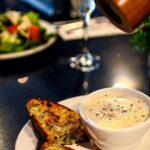
You begin at 735 Jackson St at House of Dim Sum. That’s smart because it puts you right where the action is, not on some far-away corner that requires extra transit time and extra walking before you even start eating.
Expect your guide to set the tone quickly—how the neighborhood developed, what you should look for as you move, and what to keep an eye on during each food stop. Several guides are described as making Chinatown feel alive through stories and small details, which is exactly what you want on a first visit.
Practical tip: show up hungry. Even if you’re “not that hungry” at the start, dim sum tends to change your plans fast once carts and plates start appearing.
Stop 1: Dim sum feast and Chinatown’s origin stories
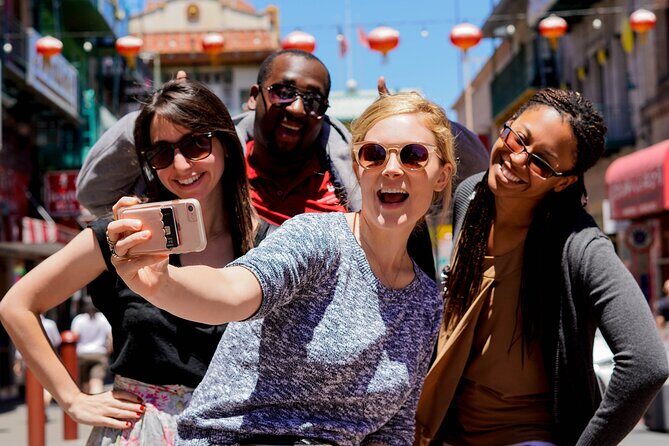
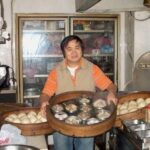
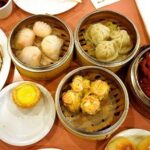
The first stop is Chinatown itself, where the meal kicks off with dim sum. This is the part that most people remember, because you’re not just tasting one item—you’re eating a real sequence of bites.
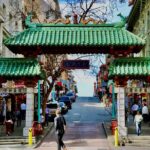
Here’s why this stop works: dim sum is food you can learn by eating. You’ll notice differences in texture, taste, and how dishes vary by shop. It also gives your guide a natural way to explain the neighborhood—how communities formed, what trade and migration meant for local food, and why the street layout matters.
A common theme from different guides is that portions are ample. People also mention kids (10–14) finding multiple things they liked, which tells me this isn’t just a “snack parade for adults.” If you’re traveling with family, this opening meal is a safer bet than a tour that starts with something abstract and short.
Stop 2: Golden Gate Fortune Cookies Co and why the line matters
Next up is the fortune cookie factory stop at Golden Gate Fortune Cookies Co. You’ll sample a fortune cookie (or more than one, depending on how the timing works out) and watch the process.
This stop is fun for a simple reason: it’s a recognizable Chinatown icon, and it gives you something light after the richer dim sum flavors. One thing to keep in mind is timing. If there’s a line out the door, the fortune cookie portion can feel brief, so don’t expect a long, slow sit-down there.
If you like quirky food culture—tiny rituals, food symbolism, and how a mass-produced item became a tradition—this quick stop earns its place.
Stop 3: Chinatown Taiwan Fruit Tea and the bubble tea reset
After fortune cookies, the tour pivots to Chinatown Taiwan Fruit Tea. This is where you refresh with bubble tea-style flavors and get a break from hot, savory foods.
Why I like this change of pace: tea and fruit flavors help you reset your palate so the next bakery and snack stops don’t feel repetitive. It also keeps the tour from turning into only fried-and-steamed comfort food.
Your guide uses this stop to talk about stories tied to the neighborhood—sailors, older alley legends, and the kind of character that Chinatown is famous for. The tone here is less formal, more “street stories,” which many people find makes the walking sections feel easier.
You can also read our reviews of more tours and experiences in San Francisco
Stop 4: Heritage bakery snacks and the 1906-surviving church moment
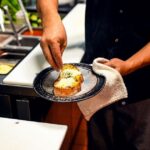
Then you head to AA Bakery & Cafe. The exact location can change, but the promise stays the same: you’ll get a Chinese snack or pastry from a heritage-style bakery.
This is a good stop for trying something you might not order on your own, especially if you’re not sure how egg tarts, layered pastries, or smaller snack items fit into “what should I try” logic. People often mention egg tarts specifically, and they’re the kind of sweet that can be hit or miss depending on your taste for custard-style filling.
There’s also a moment in the walk where you marvel at a church that stood after the 1906 earthquake. That stop matters because it adds a real-world marker of resilience and time. Chinatown isn’t only restaurants and storefronts—it’s also architecture and survival, and that perspective makes the neighborhood feel more grounded.
Stop 5: Portsmouth Square—tea-time in the sun, or comfort indoors
The next stop is Portsmouth Square, which is a classic Chinatown landmark area. If the day is sunny, you may picnic in the park. If it’s rainy, you shift to a local restaurant nearby.
This part of the experience is about breathing room. You’re not constantly in motion, and you get a chance to catch up with your guide and group. It’s also where the tour’s food variety starts to feel like a full meal plan rather than random stops.
People mention getting Cantonese flavor here, and it’s a nice way to balance the earlier bites and sweets. If you’re a “one neighborhood at a time” traveler, this is also a good place to pause and look around before you head back into the streets.
Stop 6: Vital Tea Leaf tea tasting and why it’s the highlight
The final main stop is Vital Tea Leaf, where you get a longer tea tasting experience (around 30 minutes). This is often the highlight, mainly because it turns tea from a drink into an experience.
The tasting typically focuses on how tea differs—type, aroma, and how brewing affects flavor. People mention being taught how tea gets brewed the way they hadn’t expected. Some guides even bring personality into it; there’s mention of a standout tea presenter like Ming, and also the unforgettable fun of an “Uncle” character at the tea house.
One more practical note: tea tastings can run better when you keep your questions simple. If you’re curious, ask one or two real questions (how to choose a tea, how long to steep, why it tastes different cold vs hot). That keeps the experience interactive without pulling the group off pace.
How the guides change the feel (Robert, Jacob, Robin, Dale, and Marcy)
A big part of the success here is guide personality. People specifically call out guides like Robert, Jacob, Robin, Dale, and Marcy for making the day feel fun and meaningful.
What you can expect across guides:
- Clear storytelling that explains how Chinatown evolved
- A focus on food you can taste and compare
- Friendly pacing, including making sure people don’t feel rushed
What varies:
- How much history you get vs jokes and street stories
- How questions get handled during the walk
If you want a tour that’s heavy on modern Chinese American experiences, you might find some guides more focused on older migration and early SF eras. That doesn’t mean it’s “wrong”—it’s just a different emphasis. For many people, the food and tea are the main event, and they leave happy because the tastings land.
Dietary fit: vegetarian option and real accommodation
The tour offers a vegetarian option. You should request it when you book, so the guide can plan the meal sequence.
Beyond vegetarian, there’s evidence that some groups get special accommodation for dietary needs like GF/pescatarian. I can’t promise every guide will handle every situation the same way, but the pattern suggests they take dietary notes seriously rather than treating them as an afterthought.
Practical advice: send your needs clearly at booking time, and if you have allergies, be extra direct when you meet. Small-group tours are usually better at handling specifics, and this one caps at 10.
Timing and walk level: plan shoes, not schedules
The tour lasts about 3 hours and includes multiple stops that are roughly 20 minutes each, with the tea tasting longer. That means you’ll get frequent little bursts of food and context, but also that you won’t have time to linger at every shop on your own.
It’s also not a “wheelchair-friendly route” style experience. The tour explicitly notes it is not recommended for limited mobility. Even if you’re okay walking, expect hills and uneven steps in parts of Chinatown.
My suggestion: wear supportive shoes, bring a light layer (teahouses can vary), and don’t schedule a tight “next appointment” right after the end.
Price and value: why $99 can make sense here
At $99 per person, this tour isn’t the cheapest way to eat in Chinatown. But when you add up what’s included, it often feels like a fair deal.
Included in the package:
- A full meal with food tasting
- Snacks and afternoon tea
- Beverages
- Lunch
- The local guide and all included activities
Not included:
- Drinks beyond what’s already part of the tour inclusions
So the question becomes: are you the type who wants a guided eating plan with multiple tastings and tea, without playing “where should we go next?” for hours? If yes, this price can work well. If you’re the type who loves planning your own dim sum crawl, you might do better building your own route. But you’d likely spend more time searching and less time learning why each stop matters.
Who should book this Chinatown tea and dim sum tour
This is a strong fit if you:
- Want dim sum without guessing what to order
- Like tea culture and want a guided tasting that explains the differences
- Prefer a small-group pace (max 10) over big bus-style tours
- Are traveling with friends or family who want a mix of food and stories
It’s less ideal if you:
- Have limited mobility and need a flatter, slower route
- Want a history lesson that goes deep into the last 150 years of Chinese American experience rather than older Chinatown development themes
- Don’t eat much sweet food or don’t like tea tastings (the tour includes both, and tea is a major ending act)
Should you book this tour?
I’d book it if your goal is simple: eat well, learn fast, and leave with a clearer picture of Chinatown. The combination of dim sum meal, fortune cookie stop, fruit tea, a heritage pastry, Portsmouth Square time, and a real tea tasting gives you a full Chinatown “day slice” in just a few hours.
If you care most about one dish and nothing else, or if walking terrain is a big issue for you, then you should skip and build a lighter, more flexible plan. For everyone else—especially first-timers—this tour is a practical way to turn Chinatown into something you actually remember, not just something you passed through.
FAQ
How long is the SF’s Chinatown Tea & Dim Sum Food Tour?
The tour is about 3 hours long.
What is the price per person?
The price is $99.00 per person.
What does the tour include?
It includes beverages, afternoon tea, food tasting, snacks, a local guide, all activities, and lunch.
Is there a vegetarian option?
Yes. A vegetarian option is available, but you should advise at booking time.
Where does the tour start and end?
It starts at House of Dim Sum, 735 Jackson St, San Francisco, CA 94133, and it ends about 5 blocks from there at Grant Avenue.
What happens if weather is poor?
The experience requires good weather. If it’s canceled due to poor weather, you’ll be offered a different date or a full refund.