REVIEW · SAN FRANCISCO
San Francisco Chinatown Food and Culture Tour
Book on Viator →Operated by ExperienceFirst · Bookable on Viator
Two hours, and you eat your way downtown.
This San Francisco Chinatown walking and tasting tour is built around food + culture in classic neighborhood landmarks, from painted balconies to a fortune cookie factory. I like that the pacing feels calm and not rushed, and you get a real sense of how Chinese immigrants and community leaders shaped the area. You also get standout tastings like bakery buns and a full dim sum stop.
Two things I especially liked: the guide’s stories connect the dots between politics, migration, and everyday life, and the tour stays practical about what you’ll eat and where you’ll walk. The neighborhood history comes through clearly, with enough detail to make the sights stick in your mind. One possible drawback: it is a walking route the whole way, so if you want long stops to linger on your own, you may wish you had extra time before or after the 2-hour window.
In This Review
- Key Points You’ll Feel From Stop to Stop
- Entering Chinatown at Woh Hei Yuen Park
- Gum Moon Residence Hall and the Role of Missionaries
- AA Bakery & Cafe: Your First Taste of Chinatown
- Chinatown-Rose Pak Station and the Political Voice of Rose Pak
- Waverly Place Painted Balconies and Chinatown’s 1906 Rebuild
- Ross Alley Fortune Cookie Factory and Alley Legends
- Grant Avenue: Bold Architecture With a Story Behind It
- House of Dim Sum: Steamed, Baked, Fried Dumplings Included
- Ending at Transamerica Redwood Park Under the Office Towers
- Price and Value: Is $49 Worth It?
- Group Size, Timing, and How to Make It Easy
- Who This Chinatown Food and Culture Tour Suits Best
- Should You Book This San Francisco Chinatown Food and Culture Tour?
- FAQ
- How long is the Chinatown food and culture tour?
- What is included in the $49 price?
- Are the dim sum dumplings included, and can I get vegan options?
- Where does the tour start and end?
- Do I need a printed ticket?
- How big is the group?
- What is the cancellation policy?
Key Points You’ll Feel From Stop to Stop
- A steady, unhurried pace that makes the history easy to follow
- Bakery classics like egg tarts, sesame balls, and freshly baked buns
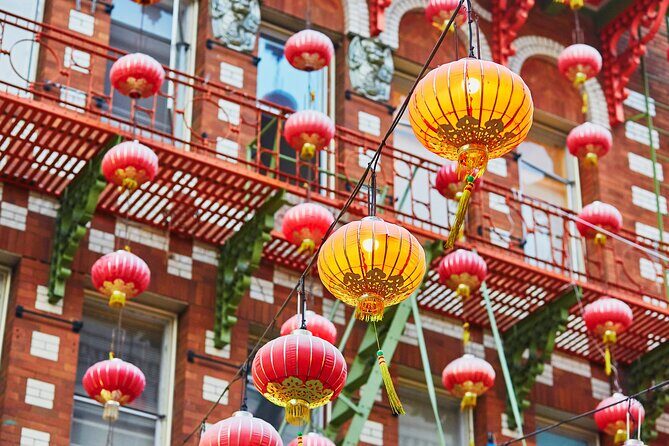
- Waverly Place painted balconies plus context about Chinatown after the 1906 earthquake and fire
- Ross Alley fortune cookies tied to alley legends and old-time neighborhood characters
- Dim sum included (steamed, baked, and fried dumplings) with vegan dumplings available on request
- A surprising ending at Transamerica Redwood Park, with redwoods under office towers
Entering Chinatown at Woh Hei Yuen Park
Your tour starts at Woh Hei Yuen Park in San Francisco’s Chinatown area, near the neighborhood’s older street life. The park has a laid-back feel with a playground setting, and you might even catch people dancing to traditional Chinese music. It’s a good start because it lowers the volume before you head into alleys and food counters.
This first stop is also smart timing. You’re easing into the walk, while your guide sets the tone for what Chinatown is like today and how it got here. If you’re someone who likes to understand a place before eating in it, you’ll appreciate this opening.
What to watch for: this stop is short, about 5 minutes, so don’t expect a long photo session before you move on.
You can also read our reviews of more food & drink experiences in San Francisco
Gum Moon Residence Hall and the Role of Missionaries
Next comes Gum Moon Residence Hall, a stop that shifts you from food vibes to community context. You’ll hear how Christian missionaries advocated, educated, and sometimes sheltered members of the Chinatown community. Even if you don’t love history lectures, the way it’s framed helps you understand why institutions mattered in a growing immigrant neighborhood.
This is a quick 5-minute stop, so the goal is perspective, not a textbook. Still, it gives you a useful lens for the rest of the tour, especially when the stories turn toward rebuilding and civic power.
Consideration: if you prefer only food-focused stops, this is one of the more “story-forward” moments, even though it’s brief.
AA Bakery & Cafe: Your First Taste of Chinatown
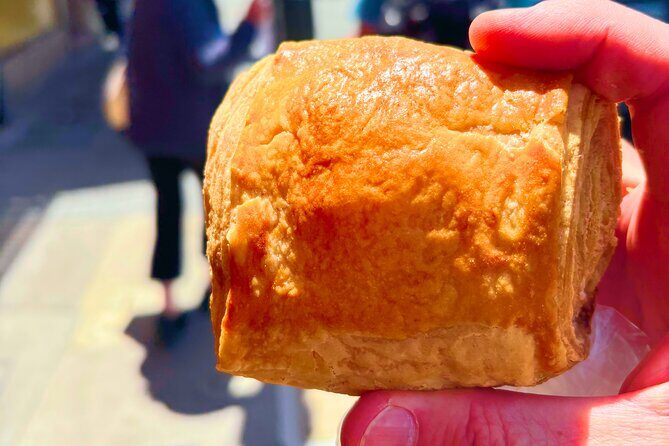
At AA Bakery & Cafe, you get the kind of snack stop that makes you look forward to the next corner. Expect freshly baked treats such as buns, egg tarts, and sesame balls, plus other Chinatown bakery favorites. You’ll have around 15 minutes here, which is long enough to eat without feeling like you’re in a hurry.
This stop is valuable because it’s not just about eating. It shows how neighborhood businesses feed daily life, not only tourists. And if you’re the type who wants to buy something to carry with you, it’s the perfect place to get your bearings on what pastries Chinatown is known for.
Tip: since you’re sampling multiple things on the tour, pace yourself. That dim sum later will not play around.
Chinatown-Rose Pak Station and the Political Voice of Rose Pak
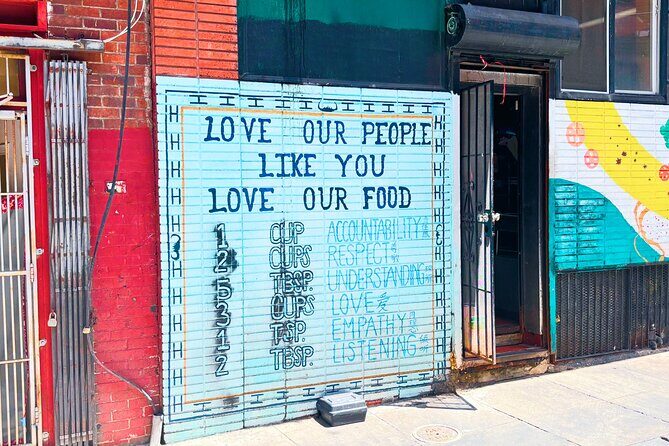
Then the tour turns toward civic influence at Chinatown-Rose Pak Station. You’ll hear about Rose Pak, a woman who amplified Chinatown’s political voice and helped bring SF’s first Chinese American mayor into office. You’ll also connect her work to how the neighborhood gained a new subway line—important because transit changes what a neighborhood can do for residents and visitors.
This part matters because it explains that Chinatown’s story isn’t only about food and streets. It’s also about advocacy, representation, and access—things that shape everyday options long after the architecture and restaurants are built.
Stop length here is about 5 minutes, so you’ll want to listen closely. The guide’s job is to make the big ideas feel grounded.
Waverly Place Painted Balconies and Chinatown’s 1906 Rebuild
One of the most photogenic stretches in the tour is the walk along the street of painted balconies at Waverly Place. You’ll also see the oldest Chinese temple in town. This combination—colorful architecture plus a living cultural site—helps you understand why Chinatown looks the way it does and why style can be part of identity, not just decoration.
The guide then ties in the devastation of the 1906 earthquake and fire and explains how Chinatown responded afterward. That rebuilding story is a key reason this tour feels different from a simple food crawl. You’re not only seeing landmarks; you’re learning what forced change and what people did to recover and keep community going.
Possible drawback: this is a walking portion, so you’ll be taking photos while moving. If you want to shoot lots of close-ups, you might want a quick after-tour pass once you know where the best balconies are.
You can also read our reviews of more tours and experiences in San Francisco
Ross Alley Fortune Cookie Factory and Alley Legends
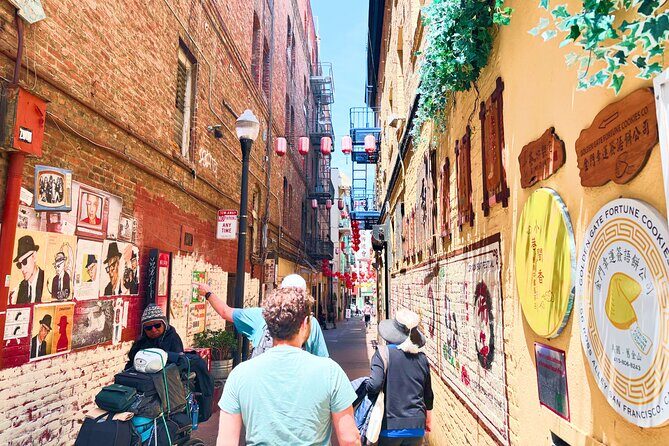
At Ross Alley, the mood shifts again. You’ll stop by Chinatown’s famous fortune cookie factory and hear how the alleys used to be shaped by criminal gangs. It’s an odd pairing at first—sweet cookies and tough alley lore—but that contrast is exactly what makes Chinatown feel real.
The tour uses the fortune cookie factory as a gateway to the idea that even lighthearted traditions have a neighborhood context. It’s also a nice break in the walking rhythm, with about 10 minutes here.
When you leave this stop, you’ll probably see alleyways differently. The streets aren’t just background. They’re part of how people lived, hid, worked, and organized.
Grant Avenue: Bold Architecture With a Story Behind It
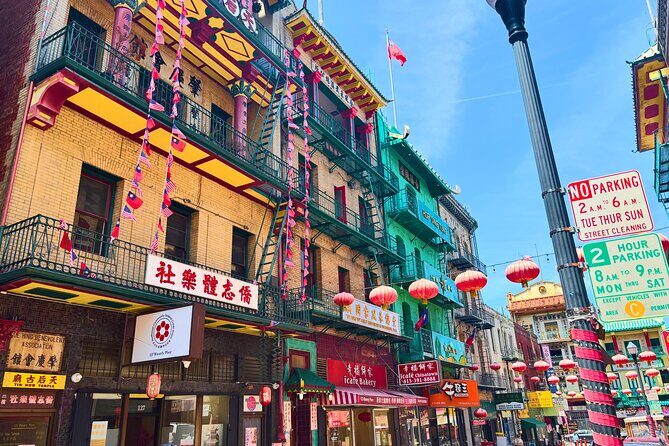
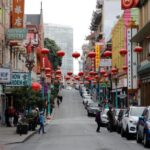
Next up is Grant Avenue, where striking buildings and colorful street details come into focus. You’ll hear the story behind Chinatown’s bold architecture and how those design choices connect to the neighborhood’s growth and identity over time.
Grant Avenue works well because it’s one of the clearest “see it, then understand it” stops. The guide helps you notice details you’d otherwise miss, like how design elements signal community pride and history.
This stop is around 5 minutes, so the learning happens fast. If you’re the kind of person who loves architecture, you may want to add extra time afterward to wander on your own.
House of Dim Sum: Steamed, Baked, Fried Dumplings Included
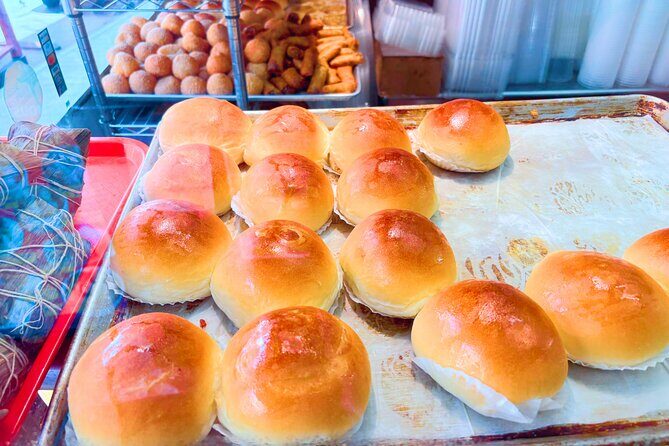
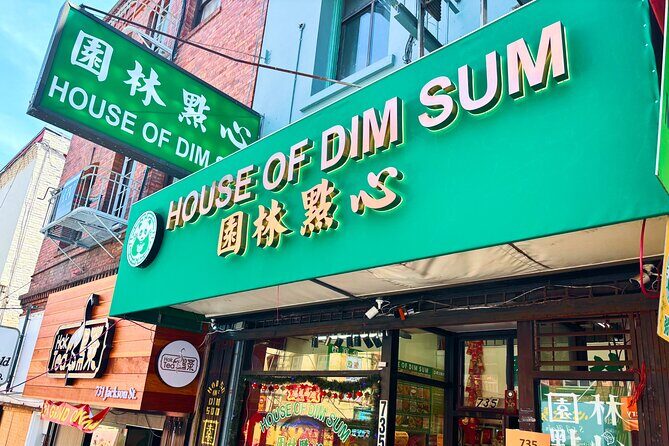
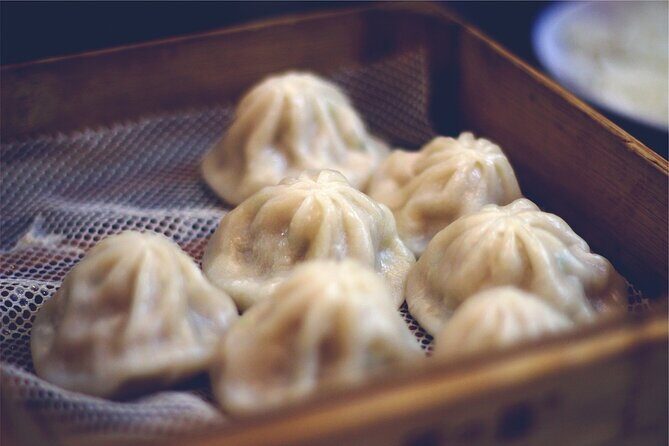
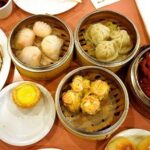
This is the meal stop that justifies the price. At House of Dim Sum, you’ll enjoy a variety of steamed, baked, and fried dumplings that are included with your tour. The timing is about 15 minutes, which is enough to try a spread without turning the whole day into a meal marathon.
You also get a practical option: the restaurant can offer vegan dumplings. Just tell your guide you prefer vegan when you arrive at the dim sum stop. That matters because it keeps your experience aligned with dietary needs instead of forcing you to skip the main dish.
Here’s the best part: the dumplings aren’t a single “one-and-done” item. The variety (steamed, baked, and fried) gives you a sense of texture and cooking styles that you won’t get from a casual snack.
Smart move: if you think you’ll be tempted to buy extra snacks elsewhere, you still don’t want to go full stuffed by mid-tour. Aim for comfortable fullness, not dumpling coma.
Ending at Transamerica Redwood Park Under the Office Towers
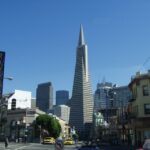
The final stop is Transamerica Redwood Park at 600 Montgomery St. It’s a grove of redwoods where you least expect them, right in the shadow of SF’s most famous office building. Ending here works because it gives your legs a reset while your brain absorbs what you learned.
You’ll spend about 30 minutes here, which is notably longer than most of the other stops. It gives you space to breathe, swap snack stories with your group, and take photos without the pressure of getting to the next counter.
If you like contrast in travel—city grit to calm trees—this ending lands well. And if you’re catching public transit afterward, the area around it is usually easy to work with.
Price and Value: Is $49 Worth It?
At $49 per person, this tour is priced like a focused “food + story” afternoon, not an all-day banquet. What makes it feel fair is that you’re not paying extra for the big meal moment. The dim sum dumplings are included, and earlier stops include multiple bakery items like buns, egg tarts, and sesame balls.
You also get guided storytelling built around real neighborhood landmarks: political figures tied to Chinatown’s voice, mission activity in community life, and the 1906 earthquake and fire recovery. That history component is why the tour feels more useful than a self-guided snack run.
Plan for extras, though. The tour notes that additional food purchases aren’t included, and it suggests bringing around $20 if you want more. If you tend to snack a lot, you’ll likely spend it. If you’re disciplined, you’ll leave satisfied without needing a second itinerary.
Group Size, Timing, and How to Make It Easy
This experience caps at 15 travelers, which is a big deal for comfort. Smaller groups move better on crowded sidewalks, and you’re more likely to hear the guide clearly without craning your neck.
It runs about 2 hours and uses a mobile ticket. It also starts at 12:30 pm at Woh Hei Yuen Park and ends at Transamerica Redwood Park. If you’re planning other things that day, I’d treat this as your mid-day anchor.
Practical tip: wear comfy shoes you’re happy to walk in. Chinatown streets are the kind where you’ll want quick balance because you’ll step from park to alley to restaurant entrance.
Who This Chinatown Food and Culture Tour Suits Best
This is ideal if you want to see Chinatown in a way that makes sense fast. You’ll get multiple tastes, plus context that helps you connect what you see to how the neighborhood developed.
It’s also a good fit for people who like structure. The route is set, the time at each stop is limited, and that helps you feel productive without burning half your day.
Consider this tour if you:
- want a short outing that blends food and neighborhood history
- like guided pacing rather than wandering with no plan
- need a vegan option for the dim sum stop (just tell the guide)
If you only want long restaurant time, or you want to fully control your own schedule, you may find the set timing a little limiting. But for most people, the tight 2-hour arc is exactly the point.
Should You Book This San Francisco Chinatown Food and Culture Tour?
If you want a Chinatown experience that feeds you and teaches you without turning into a history lecture, I think this is a strong choice. The standout strengths are the calm pace and the way the guide connects architecture and food to real community change. The dim sum inclusion is the money-maker, and the bakery stop gives you a solid flavor warm-up.
Book it if your goal is a smart mid-day walk with tastings that hit several corners of Chinatown. Skip it only if you’re hoping for a loose, unstructured wandering day where you can linger for long periods at every photo spot.
FAQ
How long is the Chinatown food and culture tour?
The tour lasts about 2 hours.
What is included in the $49 price?
You get a 2-hour walking tour, hidden gem-style food recommendations from the guide, personal storytelling, and dim sum dumplings included in the price.
Are the dim sum dumplings included, and can I get vegan options?
Yes. The tour includes a variety of steamed, baked, and fried dumplings. The dim sum restaurant can offer vegan dumplings if you tell your guide you prefer vegan.
Where does the tour start and end?
It starts at Woh Hei Yuen Park, San Francisco, CA 94133, USA, and ends at Transamerica Redwood Park, 600 Montgomery St, San Francisco, CA 94111, USA.
Do I need a printed ticket?
No. You’ll use a mobile ticket.
How big is the group?
The tour has a maximum of 15 travelers.
What is the cancellation policy?
You can cancel for a full refund up to 24 hours before the experience’s start time. If you cancel less than 24 hours before, you won’t get a refund.