REVIEW · SAN FRANCISCO
San Francisco’s Embarcadero: An Audio Tour on Climate Change
Book on Viator →Operated by VoiceMap Audio Tours · Bookable on Viator
Fog and future fears on the waterfront. This self-guided audio walk turns San Francisco’s Embarcadero into a story about sea-level rise and what it could do to the streets, infrastructure, and shoreline. I like that you can start when you want, then pace yourself between famous stops like the Ferry Building and Pier 7.
I also like the format. You get offline audio with maps and geodata through the VoiceMap app, so you’re not stuck hunting for signal while you walk. One drawback to consider: this tour is very climate-focused, so if you’re expecting lots of traditional SF fun facts, you might find the emphasis a little one-directional.
In This Review
- Key highlights to expect
- An audio walk from Rincon Park to the Exploratorium
- Why this tour centers on rising seas, not just sightseeing
- Price and value of lifetime VoiceMap access for $9.99
- Stop-by-stop on the Embarcadero: Ferry Building, Pier 1, Pier 7, and the Exploratorium edge
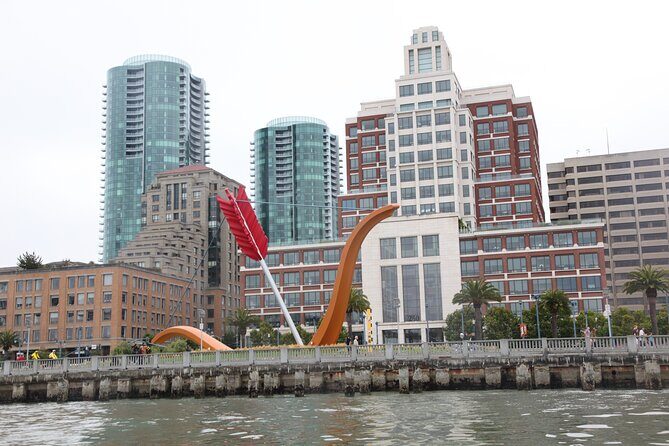
- Start: Rincon Park and Cupid’s Span
- New Ferry Plaza area
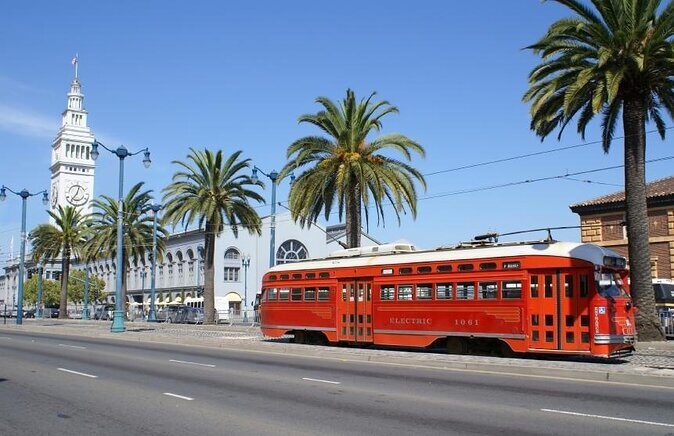
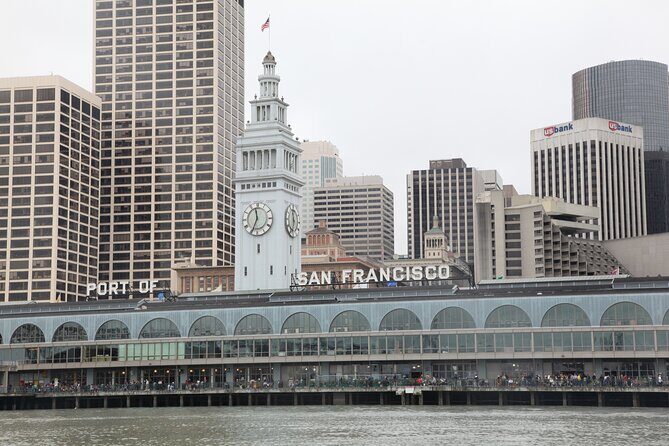
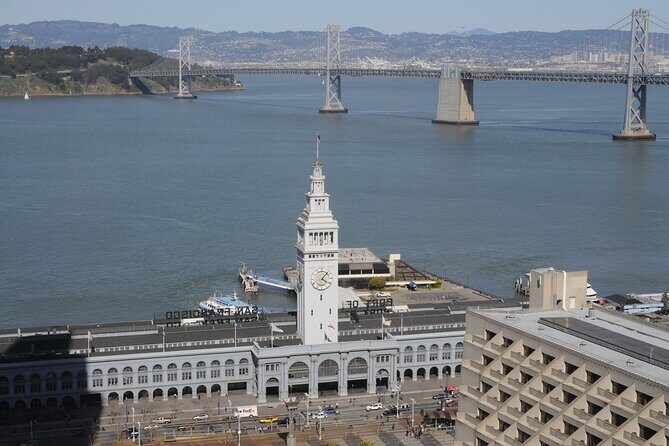
- Ferry Building Marketplace
- Onto Pier 1 (then back to the Embarcadero)
- Onto Pier 7 (then back to the main waterfront)
- The Exploratorium edge: tour ends just outside
- Sound quality, multiple voices, and the biggest friction points
- Timing, what to bring, and how to avoid audio dropouts
- Who should book this Embarcadero climate audio tour
- Should you book this Embarcadero climate change audio tour?
- FAQ
- FAQ
- How long is the Embarcadero climate change audio tour?
- What does it cost?
- What language is the audio offered in?
- Does it work offline?
- Where does the tour start and end?
- Do I need tickets for museums like the Exploratorium?
- Is free cancellation available?
Key highlights to expect
- Start anywhere during the day: the tour is available 12:00 AM–11:59 PM, and it’s fully self-guided.
- A lifetime download: you keep access to the audio, maps, and geodata after purchase.
- Major Embarcadero landmarks in one loop: Ferry Building area, Pier 1, Pier 7, and the outside of the Exploratorium.
- Multiple perspectives: the storytelling uses different voices, including one segment from a kayaker’s viewpoint.
- Built for real walking: clear route guidance from Rincon Park to the Exploratorium’s Pier 15 area.
An audio walk from Rincon Park to the Exploratorium
This is an Embarcadero stroll with a mission. The route begins at Rincon Park (at the Embarcadero & Folsom St area) and ends just outside the Exploratorium near Pier 15. It’s designed for an easy-going time on foot, estimated at about 1 hour 30 minutes to 2 hours depending on your pace and how often you pause for views.
The start point is specific. Your tour kicks off opposite Cupid’s Span on the Embarcadero, which is a quick way to stop the “where exactly am I?” moment. From there, the narration keeps you moving along the waterfront and across short stretches into the pier areas.
At the end, you don’t need to buy anything. The tour finishes just outside the Exploratorium, so you can wrap up without museum-ticket pressure. That matters because the experience is about the walk and the story you hear as you go.
You can also read our reviews of more tours and experiences in San Francisco


Why this tour centers on rising seas, not just sightseeing
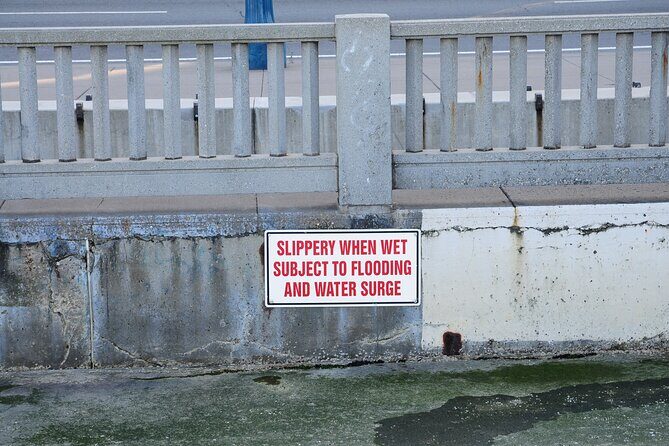
The core theme is spelled out in the tone of the tour: the waterfront has a past, but the narration keeps returning to a worrying future. You’ll hear how rising seas and increasing storm surges are predicted to flood streets and affect both the infrastructure you see and the stuff beneath the surface.
What I like about that focus is that it makes the Embarcadero feel like more than a pretty path. You start noticing how close the city is to the water—how engineering, construction, and design all meet the bay in the same few blocks. Instead of treating climate change as an abstract topic, this tour links it to the very physical reality of ports, piers, and shoreline systems.
You also get a sense that this is not just doom-and-gloom. Some of the most positive feedback centers on feeling inspired afterward, even while the subject stays serious. The tone tends to mix factual explanations with real-world human reaction—people seeing what’s changing and what it could mean next.
Price and value of lifetime VoiceMap access for $9.99
At $9.99 per person, you’re paying for more than a one-time listen. The big value is that the purchase comes with lifetime access to the audio, plus offline access to audio, maps, and geodata. That means you can download it once, then replay it later—or walk the route again on a different day.
That’s a smart setup for San Francisco, where the waterfront can feel totally different depending on fog, wind, and crowd levels. With offline audio and map guidance, you’re not locked into one visit. You also avoid the common expense trap of “walking tour that makes you buy museum tickets along the way”—this one doesn’t require entrance fees at stops.
A small reality check: this is not a guided tour with a live person following you. The provider is VoiceMap Audio Tours, and you use their VoiceMap app for Android and iOS. So your experience quality depends on your ability to bring a smartphone and headphones (more on that next). If you show up ready, the price-to-story ratio is strong.
Stop-by-stop on the Embarcadero: Ferry Building, Pier 1, Pier 7, and the Exploratorium edge
Here’s what the walk route feels like, piece by piece. I’ll describe what each segment adds, and where you might want to slow down.
Start: Rincon Park and Cupid’s Span
You begin at Rincon Park near the Embarcadero & Folsom St intersection, then your narration begins opposite Cupid’s Span. This is a good warm-up zone: it’s central, easy to find, and it gets you onto the waterfront without extra wandering.
Right away, the tour framing matters. It sets up the idea that the Embarcadero isn’t just a backdrop—it’s part of a system that can be affected by water levels and storms. That makes the later pier sections more meaningful because you’ll already be listening for how the shoreline works.
You can also read our reviews of more tours and experiences in San Francisco






New Ferry Plaza area
Next, you pass by New Ferry Plaza. This section is where you transition from the general waterfront feel into a more landmark-heavy stretch. You’re also moving into the part of the route that people naturally recognize, so the narration doesn’t compete with your attention span—it uses what you can already see.
If you like to connect story to place, this is where you’ll start matching the audio with real features in the scene: the relationship between foot traffic, structures, and the edge of the bay.
Ferry Building Marketplace
Then comes the Ferry Building Marketplace area. The route guides you through the marketplace zone, and even though food and drink aren’t included, this is a natural spot to grab a snack if you’re hungry. Just don’t expect the audio to pause for you—this tour is built to keep you walking and listening.
The practical benefit here is that Ferry Building is a “mental anchor.” You’ll likely remember the rest of the route better because you have a strong reference point in your head.
Onto Pier 1 (then back to the Embarcadero)
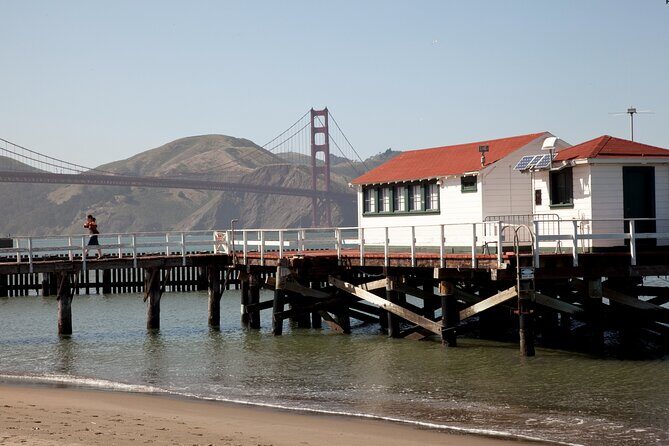
The tour goes onto Pier 1, then you rejoin the Embarcadero. Piers change the way you see the water. You’re no longer just beside it—you’re standing in the water’s working space, at the edge where boats, shoreline, and infrastructure meet.
This is also where the climate theme lands in a visceral way. Even if you don’t know engineering terms, you can still grasp the idea of flooding risk once you’re thinking about how low-lying areas and built structures respond to rising water.
Onto Pier 7 (then back to the main waterfront)
Next up is Pier 7, another pier section that keeps your attention on the bay. The route goes around the outside areas of key waterfront spots rather than asking you to queue for anything. That fits the “walk and listen” model.
This segment is especially useful if you like to learn with your eyes. The audio is doing the heavy lifting explaining predictions and impacts, while your job is simply to look outward and notice how much the shoreline defines the city’s character.
The Exploratorium edge: tour ends just outside
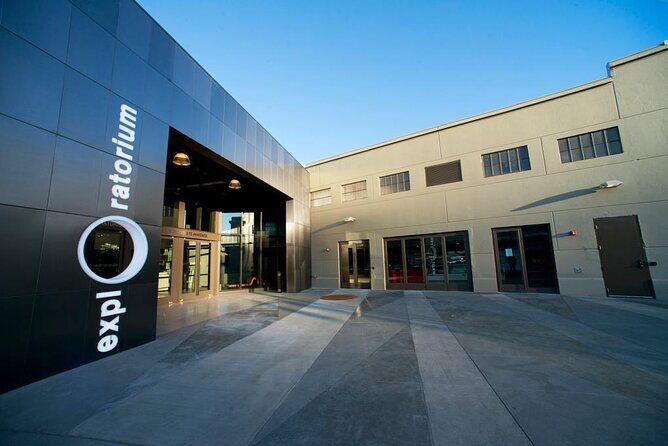
Finally, the narration goes around the outside of the Exploratorium and the walk ends just outside the museum near Pier 15 at the Embarcadero & Green St area.
Even if you don’t go in, the ending makes sense: this is one of those places where science education is the brand, so ending the climate story near an education institution gives the experience a tidy arc.
Sound quality, multiple voices, and the biggest friction points
The audio is a major part of the value here, and the feedback shows why. Several positive comments highlight sound quality and a sense that it’s like a walking podcast—with different voices and perspectives that keep the story from becoming flat.
You also hear different kinds of narrators. One review specifically mentioned an individual speaking from a kayak viewpoint, which hints at how the tour tries to broaden perspectives beyond only one style of explanation.
Now the caution. A couple of low ratings focus on problems like audio cutting out or fading mid-sentence. Another criticism points to a mismatch: the tour may feel light on traditional SF history and more centered on global warming and rising waters.
So the takeaway is simple: go in knowing this is a climate change narrative first, waterfront tour second. If that’s your goal, you’ll probably enjoy the way the narration keeps returning to the same core question: what happens when sea level and storm surge rise?
Timing, what to bring, and how to avoid audio dropouts
This tour is available all day per the listed opening window of 12:00 AM to 11:59 PM, which is unusual for many guided experiences. The route is on public waterfront paths, and the instructions are designed for self-paced walking—so you’re not tied to a single start time.
What you do need is basic “tech readiness.” The experience does not include a smartphone and headphones. So bring your own, and plan to use the VoiceMap app. Also, because you’ll want an offline experience, download ahead of time when you have good connectivity.
If audio ever cuts out mid-sentence, don’t assume it’s broken for good. Common fixes include restarting the app, checking volume, ensuring you’re not in an odd system audio mode, and confirming the offline download completed properly. I can’t promise your device will behave perfectly, but offline content is meant to reduce the “no signal” problem.
Practical walking advice (because this is on foot): wear comfortable shoes and give yourself time to pause for views. The route runs along the Embarcadero and into pier areas, so you’ll likely appreciate a calm pace rather than rushing to finish.
Who should book this Embarcadero climate audio tour
This is a great fit if you want:
- A low-cost, high-story waterfront walk with a clear theme
- Offline audio and maps you can use again later
- A route that covers key places like the Ferry Building, Pier 1, Pier 7, and the Exploratorium area without buying tickets
It may be less ideal if you’re the type who wants a traditional “SF history highlights” walking tour. The narration centers on rising seas and storm surges, so the tone may feel heavy if you’re there mainly for old-time facts, quirky anecdotes, or purely scenic photo stops.
Should you book this Embarcadero climate change audio tour?
I’d book it if you like stories that connect the city you’re walking through to real-world science and future impacts. The best part is the structure: you’re walking anyway, and the audio gives your route a purpose beyond scenery.
Choose it with confidence if offline access and lifetime downloads appeal to you, and if you’re okay with the experience focusing more on global warming and coastal risk than on classic sightseeing.
If you’re hoping for a lighter, only-historical Embarcadero stroll, you might feel disappointed. In that case, you’d likely be happier with a tour that’s built mainly around local history and fewer climate predictions.
FAQ
FAQ
How long is the Embarcadero climate change audio tour?
The walk is estimated at about 1 hour 30 minutes to 2 hours.
What does it cost?
It costs $9.99 per person.
What language is the audio offered in?
It’s offered in English.
Does it work offline?
Yes. You get offline access to audio, maps, and geodata, using the VoiceMap app.
Where does the tour start and end?
It starts at Rincon Park (Embarcadero & Folsom St area) and ends just outside the Exploratorium near Pier 15 (Embarcadero at Green St).
Do I need tickets for museums like the Exploratorium?
No. Museum/attraction tickets or entrance fees aren’t included, and the tour ends just outside the Exploratorium.
Is free cancellation available?
Yes. You can cancel for a full refund up to 24 hours in advance of the experience start time.