REVIEW · SAN FRANCISCO
Food, History, and Resistance: A Self-Guided Audio Tour
Book on Viator →Operated by VoiceMap Audio Tours · Bookable on Viator
A short audio walk can change how you see a neighborhood. This self-guided VoiceMap tour takes you through San Francisco’s Japantown with stop-by-stop context that goes far beyond the usual food scene. Two things I really like: the offline-ready audio and maps make it easy to keep moving, and the pacing gives you time to stop and look instead of rushing you onward.
The biggest thing to consider is practical: you need your own smartphone to run the VoiceMap app and audio. No tickets, no food, no transport are included, so plan on bringing your phone, charging it, and deciding how you’ll handle snacks and drinks on your own.
In This Review
- Key Highlights You’ll Actually Feel
- How This Self-Guided Japantown Tour Works (VoiceMap, Timing, and Your Route)
- Price and Value: What $11.99 Buys You in Real Terms
- Starting at Osakaya Restaurant: The Location That Sets the Tone
- Going Beyond the Food: The Stories You Might Miss in Japantown
- Benkyodo Manju: A Food Stop With Serious Cultural Weight
- Bop City on Fillmore Street: Jazz Legends and the Harlem of the West
- Pacing and Pause-Friendly Design: Why 50 Minutes Feels Longer
- Who This Tour Suits Best (And Who Might Want Something Else)
- Accessibility and Practical Tips You Should Plan For
- The Bottom Line: Should You Book This Japantown Audio Tour?
- FAQ
- What is the price of the Food, History and Resistance in Japantown audio tour?
- How long does the tour take?
- Where does the tour start and end?
- Is the tour available in English?
- Does it include offline audio and maps?
- What do I need to bring?
- Is food or museum admission included?
- Can I get a refund if I cancel?
Key Highlights You’ll Actually Feel
- Offline access built in so you can keep going even if signal drops
- Benkyodo’s manju tradition explained with a clear, edible kind of detail
- Fillmore Street and Bop City context tied to major jazz names and the Harlem of the West nickname
- Resistance and incarceration stories connected to sites you can still stand beside today
- Flexible pacing for about 50 to 60 minutes, with room to pause and take it in
How This Self-Guided Japantown Tour Works (VoiceMap, Timing, and Your Route)
This is a self-guided audio tour using VoiceMap, not a live group event. You start at Osakaya Restaurant at 1737 Post St, then you walk to the finish at 1010 Geary Blvd. The whole experience clocks in at about 50 minutes to 1 hour, which is a sweet spot: long enough to learn something real, short enough that it doesn’t hijack your entire day.
The tour is offered in English, and you get lifetime access to the specific tour called Food, History and Resistance in Japantown. That matters more than it sounds. If you want to repeat it later, you can. If you’re traveling with someone who needs to split up for a bit, you can catch up when you’re back on the same block. If you’re curious later, you can revisit with fresh attention.
VoiceMap also includes offline access to the audio, maps, and geodata. In plain terms: download the tour content before you head out, then you can walk without treating every intersection like a Wi‑Fi problem. The tour also notes that it stays available on a daily schedule, with hours listed as 12:00 AM to 11:59 PM within the stated validity period. Practically, that means you can fit it into an afternoon or early evening without feeling trapped by strict tour times.
Group size is capped at 10 travelers. Because this is self-guided, you won’t have a loud crowd pushing you. Still, it’s a sign the experience is designed to work smoothly without turning into a chaotic meet-up.
You can also read our reviews of more food & drink experiences in San Francisco


Price and Value: What $11.99 Buys You in Real Terms
At $11.99 per person, this tour is priced like an add-on, not a big production. The best value isn’t only the duration. It’s the combination of lifetime access plus offline content plus the fact that you’re learning on your own terms while walking through a neighborhood you can explore afterward.
You’re not paying for food, transport, or museum tickets. That’s a trade-off, but it also keeps the price low and predictable. You’ll use your own smartphone and handle your own snacks. In return, you’re getting a structured route with audio that explains why these streets matter.
If you’ve ever paid for a paid attraction and then wished you had a guide for the streets around it, this is that fix. Instead of spending your money only on one indoor stop, you get story context for multiple real locations you can still see.
Starting at Osakaya Restaurant: The Location That Sets the Tone
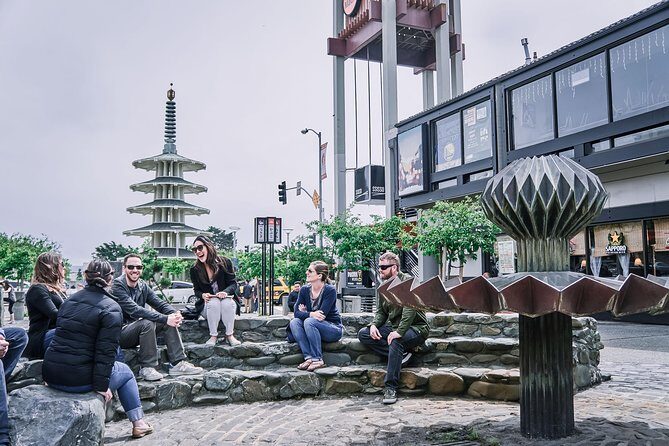
Your tour starts at Osakaya Restaurant, 1737 Post St. Starting at a living, operating neighborhood restaurant matters for a story like this. You’re not beginning in a museum room. You’re beginning in the middle of everyday life, and the audio helps you understand what you’re standing next to, not just what used to be here.
This start point also makes the tour easy to pair with other Japantown plans. If you’re heading out for dinner afterward, you can naturally turn the tour into a loop: learn for about an hour, then eat in the same area. The tour is also listed as near public transportation, so you’re not forced into a car-only day.
If you’re bringing someone who doesn’t love long walks, the timing helps. You’re not committing to an all-day trek. You’re committing to a focused urban circuit.
Going Beyond the Food: The Stories You Might Miss in Japantown
The first major idea the audio sets up is simple: there’s more to Japantown than ramen and sushi. That sounds like marketing copy, but the tour uses it as a turning point. Instead of treating food as the whole destination, it reframes the neighborhood as a place with community memory and community decisions.
You’ll hear that many stories aren’t obvious from the sidewalks. That’s the key benefit of a self-guided audio format: you can slow down when you want, stand in a spot where the explanation is happening, and connect the story to what’s still visible.
One of the most powerful moments described in feedback is how the tour handles difficult family history. People have talked about standing in places their families once passed through during WWII-era incarceration. In at least one account, the audio discussion connected to internment processing after reports, with a mention of a gate next to the Japanese Language School. Hearing that while looking at the surrounding block can feel surreal, because the neighborhood is now part of daily life, but the past isn’t far away.
This tour doesn’t ask you to memorize names and dates and then move on. It asks you to notice what’s around you now, and understand what it replaced.
Benkyodo Manju: A Food Stop With Serious Cultural Weight
One of the tour’s standout stops is Benkyodo. The audio highlights that Benkyodo is one of only three traditional Japanese manju makers remaining in the US. The other two are tied to the other two remaining Japantowns in Los Angeles and San Jose.
That fact alone is useful. It tells you this isn’t just a fun snack stop. It’s part of a dwindling chain of craftsmanship. If you care about cultural continuity, you’ll appreciate that the tour points you to a specific place where tradition still runs.
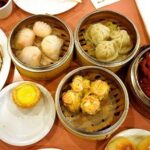
The audio also explains what manju is, in a very “you can picture it” way. Traditionally, manju is filled with sweet bean paste and wrapped with mochi, which is a glutinous rice pounded into a sticky, gooey mass. That kind of description helps you understand why manju feels like more than candy. It’s technique, texture, and heritage wrapped into one small bite.
Here’s the practical payoff: even if you don’t buy anything, you’ll know what you’re looking at and why it matters. And if you do decide to snack, you’ll be buying into a tradition the tour frames as rare and worth attention.
You can also read our reviews of more tours and experiences in San Francisco


Bop City on Fillmore Street: Jazz Legends and the Harlem of the West
Then the audio shifts gears from sweetness to sound, and from community continuity to creative resistance. You’ll hear about Bop City at 1712 Fillmore Street, described as the place to play after hours. The story connects the venue to major jazz figures such as John Coltrane, Billie Holiday, Miles Davis, and Duke Ellington.
Even if you know some of those names already, the tour makes you think about what “after hours” meant in context. It’s not just music trivia. It’s about where artists gathered, where culture developed, and how communities found space to create despite pressure from outside forces.
The audio also places Fillmore Street in the 1940s story of San Francisco’s changing Black community. Fillmore Street was dubbed the Harlem of the West, a nickname that signals scale and influence. You’ll walk away with a clearer sense that this part of the city wasn’t only about one cultural narrative. It was a crossroads where multiple communities made their own future.
For me, the strongest angle is that the tour gives you names you can recognize and then attaches them to a street-level place you can actually stand on. That makes the music history feel less like a chapter in a book and more like a lived moment.
Pacing and Pause-Friendly Design: Why 50 Minutes Feels Longer
One of the best compliments tied to this tour is about pacing. The experience is built so you can keep a steady walking rhythm without being yanked forward every few seconds. There are moments where you can pause and explore spots the audio covers in more depth.
That design choice is more important than it may seem. In a self-guided tour, you’re the one deciding how fast the learning happens. A tour that runs too quickly turns into background noise. A tour that’s paced well gives your eyes time to catch up with your ears.
For a stop-and-look approach, this matters a lot because the content includes sensitive themes and specific locations. You’ll likely want that small break where the audio finishes a point and you can just take in the setting. The tour’s duration helps you do that without losing momentum.
Who This Tour Suits Best (And Who Might Want Something Else)
This tour is a great fit if you like three things:
- walking through a neighborhood while learning how people lived there
- history that points to places you can still see
- a story that connects culture, resistance, and community memory
It’s also ideal if you travel with someone who wants a plan but doesn’t want to be trapped in a group schedule. Since it’s self-guided and capped at 10, it’s designed to be calm and manageable.
If you’re the type of traveler who wants lots of built-in sightseeing stops like major landmarks every few minutes, you might find this more intimate. It’s focused on story and place, not on a long list of sites or a museum-style route. Also, if you’re expecting included food or paid entry tickets, you’ll need to adjust your expectations, because those aren’t part of the experience.
Accessibility and Practical Tips You Should Plan For
Service animals are allowed, and the tour notes that most people can participate. That’s encouraging, but self-guided walking still means you’ll want to dress for the walk and wear comfortable shoes.
The one requirement that matters most for your enjoyment is the smartphone. Since the smartphone is not included, make sure you’re ready to run the VoiceMap app, and that your battery is strong. If you can, download the tour content before you start so offline mode works smoothly.
Also, since transportation and food/drinks aren’t included, I suggest you choose your timing with your own hunger level in mind. Think of the tour as a focused narrative walk, then pair it with a meal afterward.
The Bottom Line: Should You Book This Japantown Audio Tour?
Book it if you want more than the surface layer of Japantown. This tour’s value comes from how it uses real streets to tell stories you might not notice on your own. The Benkyodo manju stop adds a tangible, edible connection to tradition, while the Bop City portion ties the neighborhood to famous jazz names and a major nickname for Fillmore Street in the 1940s.
Skip it only if you’re looking for included food, tickets, or a guided, conversational experience. This is self-guided, and you’ll be driving the pace with your phone.
If you want a short walk that makes Japantown feel bigger than what’s on menus, it’s a smart use of time. And at $11.99 with lifetime access and offline audio, it’s one of those “small price, strong payoff” plans.
FAQ
What is the price of the Food, History and Resistance in Japantown audio tour?
The tour costs $11.99 per person.
How long does the tour take?
Plan on about 50 minutes to 1 hour.
Where does the tour start and end?
It starts at Osakaya Restaurant, 1737 Post St, San Francisco, CA 94115, and ends at 1010 Geary Blvd, San Francisco, CA 94109.
Is the tour available in English?
Yes, the tour is offered in English.
Does it include offline audio and maps?
Yes. The experience includes offline access to audio, maps, and geodata.
What do I need to bring?
You’ll need your own smartphone. A smartphone is not included.
Is food or museum admission included?
No. Food/drinks and tickets or entrance fees to museums or other attractions are not included.
Can I get a refund if I cancel?
No. This experience is non-refundable and cannot be changed for any reason.