REVIEW · SAN FRANCISCO
San Francisco: North Beach & Chinatown Food History Tour
Book on GetYourGuide →Operated by San Francisco Native Tours · Bookable on GetYourGuide
San Francisco has a snack trail with stories. This North Beach & Chinatown Food History Tour strings together the city’s Gold Rush grit, jazz-age swagger, and Chinatown’s street-food culture—while you eat your way block by block. I especially love how the guide connects food to place, from the Transamerica Redwood Park area to the snack counters of Chinatown. I also like the payoff: 15+ tastings across Italian, sweets, savory bites, and classic dim sum, with enough variety to keep you interested every stop.
One thing to consider: this is a walking tour that’s built around tasting. If you’re not into eating on the move, or you get heavy-footed fast, you’ll want comfy shoes and a realistic appetite.
In This Review
- Key things to know before you go
- Entering San Francisco through food, not facts
- Starting under the Transamerica Pyramid and meeting the tiny redwoods
- Barbary Coast walk: jazz-age snacks with real neighborhood context
- North Beach, Little Italy mode: Gold Rush stories and real Italian comfort
- Chinatown: dim sum, street food energy, and the fortune cookie lesson
- What 270 minutes and $99 really buy you
- The guide makes the tour: Stuart and local know-how
- Pacing tips: how to enjoy the tastings without feeling stuffed
- Who this tour suits best (and who should skip it)
- Should you book the San Francisco North Beach & Chinatown food history tour?
- FAQ
- Where is the tour meeting point?
- How long is the tour?
- What does the tour cost?
- Is the tour wheelchair accessible?
- What kinds of food tastings are included?
- Do I need to buy tickets separately?
- What should I bring?
- Can I get a full refund if I cancel?
Key things to know before you go
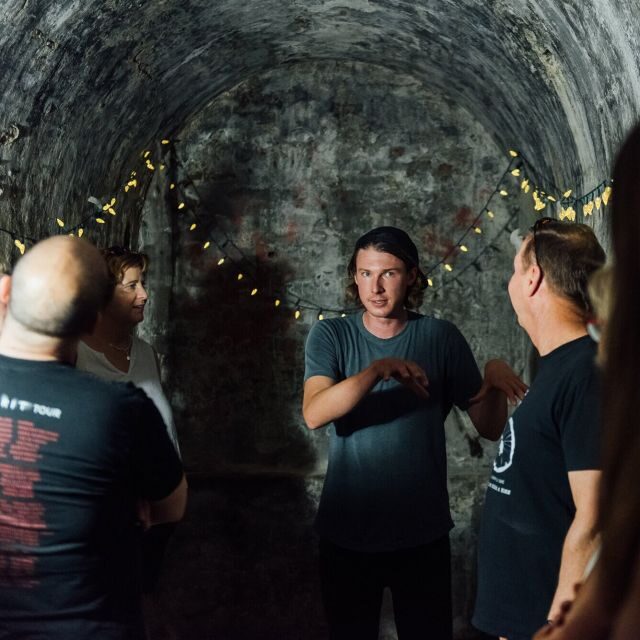
- Meet by the Transamerica Pyramid and the Transamerica Redwood Park: you’ll start with an unexpected pocket of redwoods.
- Barbary Coast stories in between candy and snack tastings: jazz-age context comes with sweets like Ghiradelli chocolate.
- Gold Rush-era anecdotes while you eat Italian staples in North Beach: think pastries, pizza, sandwiches, cakes, antipasto, and aged cheese.
- Dim sum plus souvenir wandering in Chinatown: street-food energy, not museum-only history.
- Skip-the-line access and a hands-on stop at the Golden Gate Fortune Cookie Factory: learn the backstory and try a fresh cookie.
- Small group, limited to 10: easier questions, less rushing, and more time per stop.
Entering San Francisco through food, not facts
Food tours can turn into a checklist. This one feels more like a guided walk through time, with lunch breaks built in. You start in the Financial District and move through Barbary Coast, North Beach (Little Italy), and finally Chinatown, using tastings as your “time machine.”
The best part is the way the guide ties everyday items to bigger moments—1849 Gold Rush energy, the jazz age, and the changing character of neighborhoods. You end up with a mental map that sticks. And when you taste something hot, sweet, salty, or savory, it’s usually paired with a reason it belongs there.
You can also read our reviews of more food & drink experiences in San Francisco
Starting under the Transamerica Pyramid and meeting the tiny redwoods
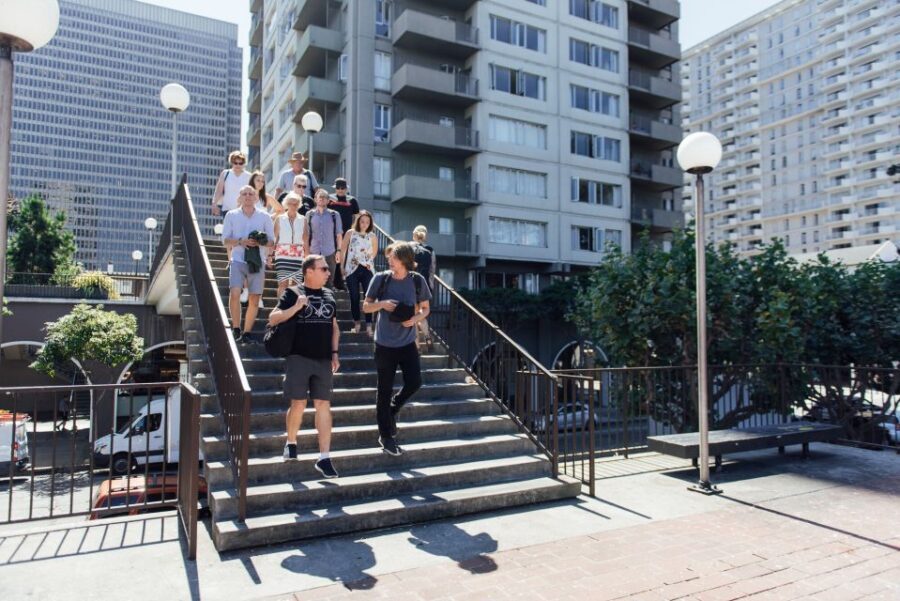
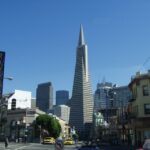
You begin at Mark Twain Alley, tucked behind Transamerica Redwood Park, off Sansome Street between Clay and Washington Street. The meeting spot matters because it gets you close to the dramatic Transamerica Pyramid—SF’s “how is that even standing?” landmark—and then right into a quieter pocket.
Before you head into the older neighborhoods, you’ll learn about the Transamerica Pyramid’s architectural history and then step into the Transamerica Redwood Park. The park is described as SF’s smallest redwood park, with a handful of hidden redwood trees. It’s a great contrast. You’re in downtown, and then suddenly you’re looking at redwoods like the city forgot to tell you to look up at sky and not street level.
Practical tip: wear shoes you trust. This tour includes a lot of short, constant walking, and the city sidewalks don’t always cooperate.
Barbary Coast walk: jazz-age snacks with real neighborhood context
From the downtown start, you’ll walk to the Barbary Coast, an area that was known as the red-light district in the 19th and early 20th centuries. Your guide connects the neighborhood’s past to what’s there now. That shift—from dance halls and concert saloons to today’s street life—helps you understand why SF feels layered instead of linear.
Then comes the fun part: tasting your way through jazz-age flavor stops. You’ll sample things like Ghiradelli chocolate, saltwater taffy, homemade fudge, and caramel popcorn. These aren’t “one bite and move on” items. They’re classics that help you slow down and notice details as you walk.
Why it works: the snacks act like punctuation. When the guide talks about the jazz age, you’re not standing there thinking, okay, cool, history. You’re tasting something sweet and salty while your brain is building an image of the time period.
Possible drawback: if you’re someone who prefers savory to sweet, you may want to mentally pace yourself early so you don’t feel “dessert-heavy” before Chinatown.
North Beach, Little Italy mode: Gold Rush stories and real Italian comfort
Next you shift into North Beach, often called Little Italy, where the tour leans into Gold Rush-era storytelling and Wild West anecdotes. The Gold Rush is 1849, and North Beach’s role in the broader story is the kind of detail you’d miss wandering alone.
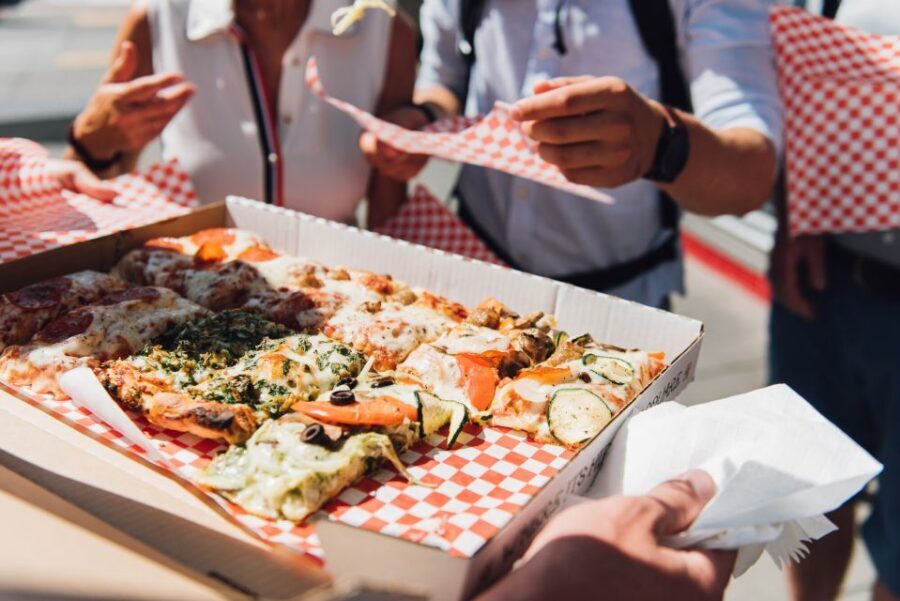
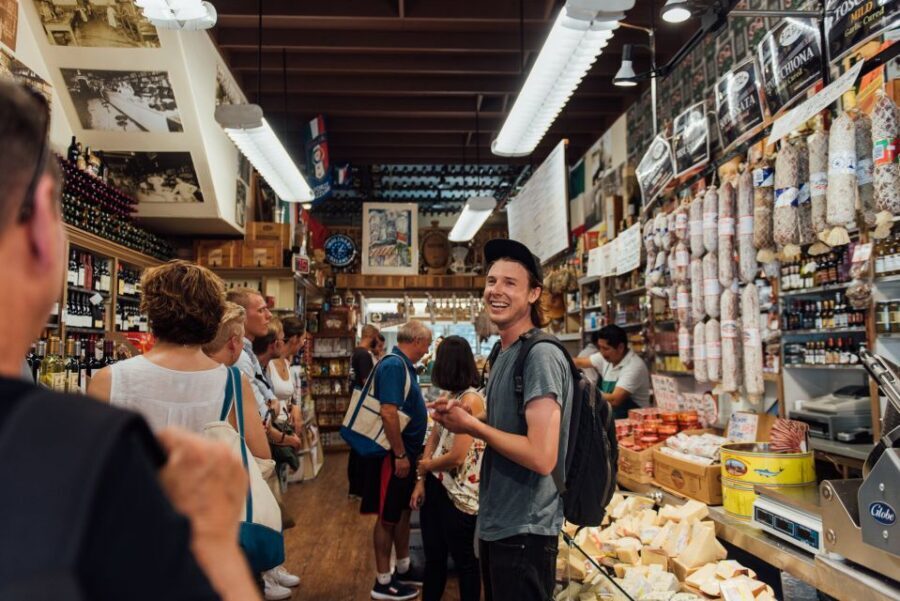
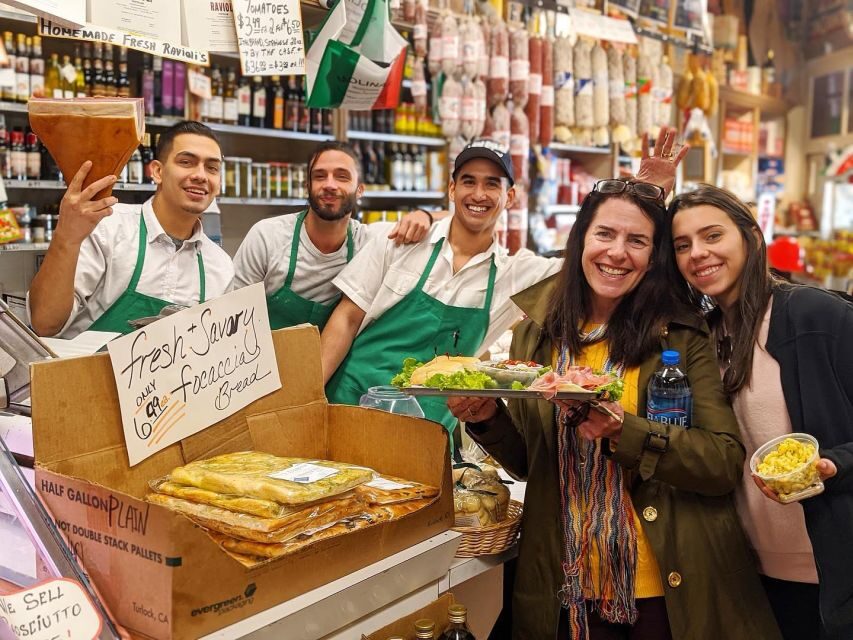
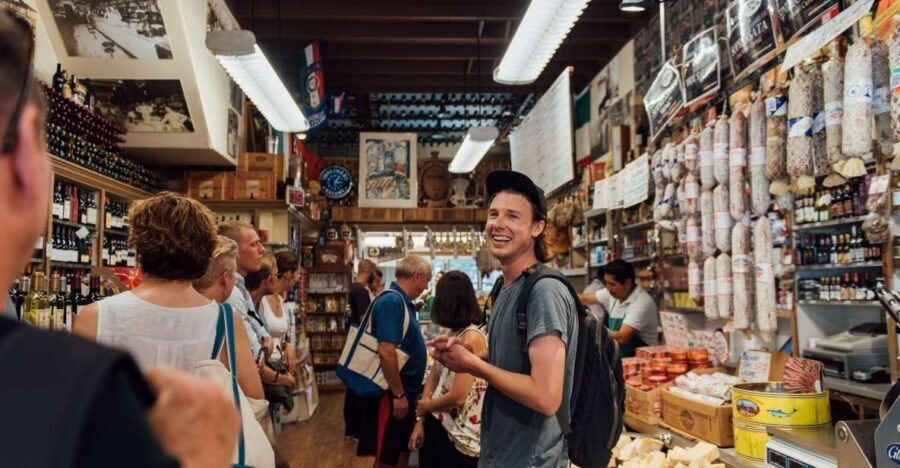
The tasting lineup here is where the tour really flexes. You’ll try Italian pastries, pizza, sandwiches, cakes, antipasto, and aged cheese. That’s a lot of variety for one neighborhood, and it’s exactly what makes this segment feel like a meal-in-motion rather than a string of samples.
Also, this portion includes time to chat with small business owners. That’s not just window dressing. It gives you a sense of what’s still alive in these neighborhoods today: the people running shops, sharing what they think is worth trying, and explaining why certain foods have staying power.
One detail I really like about tours like this: they don’t treat North Beach as a costume drama. The stories stay grounded in how the city grew, who came through, and what food helped people recognize home—or build something new.
Chinatown: dim sum, street food energy, and the fortune cookie lesson
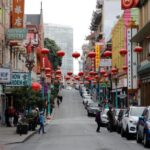
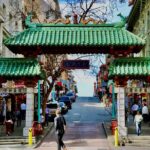
After North Beach, the tour heads into Chinatown, where the vibe shifts in a good way. It’s lively, shop-filled, and built for browsing as much as eating. You’ll wander souvenir shops and street food areas, then get to the heart of the experience: dim sum.
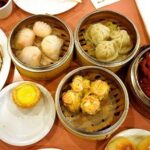
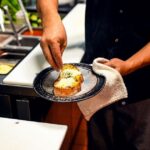
Dim sum is a smart choice for a food-history walk. It’s communal, it’s snack-sized but substantial, and it makes you slow down long enough to actually notice what’s happening around you. You’re tasting as you learn how Chinatown’s commercial streets function—shops, vendors, and the daily rhythm that keeps the neighborhood moving.
Then you visit the Golden Gate Fortune Cookie Factory. You’ll learn about the factory’s history and get to try a fresh fortune cookie. You also get skip-the-line access through a separate entrance, which is a big quality-of-life win in busy areas. No standing around hoping today isn’t the day the line gets brutal.
Practical tip: don’t wait until the fortune cookie to ask questions. Use the Chinatown segment to get recommendations for how to keep eating after the tour ends.
You can also read our reviews of more tours and experiences in San Francisco

What 270 minutes and $99 really buy you
The tour runs 270 minutes, which is about 4.5 hours. At $99 per person, it can sound like a splurge—until you connect the dots.
You get:
- A live English guide
- Food tastings (over 15+ different foods)
- Water and a map
- Entry tickets
- Small-group pacing (max 10 participants)
- Skip-the-line access at key stops
For SF, that “guided structure + multiple tastings + timed access” combination is where the value shows. If you tried to recreate this yourself, you’d spend time figuring out where to go, what’s seasonal, what’s worth the money, and how to order without slowing everyone down. Here, the tour is doing the coordination.
Another value angle: because it’s capped at 10, you’re not stuck in a crowd getting herded. You can ask real questions, and the guide can tailor the pace when the group is hungry or curious.
The guide makes the tour: Stuart and local know-how
The standout theme in the experience is the guide’s connection to San Francisco. The tour is led by a local named Stuart, and the vibe is part teaching, part friend-who-knows-the-streets.
What you gain from a guide like Stuart isn’t just “facts on demand.” It’s the ability to point out what matters right now: which streets tell the story best, what the neighborhood names hint at, and why certain foods fit the history. In particular, there’s a strong focus on meeting small business owners and learning directly from people who live with these neighborhoods every day.
In a city full of tour guides, I like the ones who sound like they genuinely care and can connect the past to your next step. That’s the feeling you get here.
Pacing tips: how to enjoy the tastings without feeling stuffed
This is a tour built around eating. You’ll likely sample desserts, savory bites, and full snack portions across multiple neighborhoods. Here’s how to make it feel like a fun flow instead of a sugar-and-carb sprint.
- Start hungry, but not ravenous. You’ll still get plenty of food early, especially during the Barbary Coast sweet stops.
- Drink water as you go. Water is included, and it helps you enjoy the flavors instead of just powering through.
- Save your energy for Chinatown. The dim sum and the fresh cookie land right when you’re expecting the story to climax.
Comfort matters. Wear shoes you can walk in for hours, and plan on staying flexible. You’re moving between areas that feel close on a map but take time on foot.
Who this tour suits best (and who should skip it)
You’ll love this if:
- You want a history + food tour that doesn’t separate the two
- You like North Beach and Chinatown but want context beyond generic sightseeing
- You’re curious about SF’s shift from Gold Rush times to later eras
- You prefer small-group tours where questions are welcomed
You might want to skip or choose a different style if:
- You struggle with sustained walking
- You don’t enjoy tasting multiple foods back-to-back
- You’re looking for mostly scenic sightseeing with minimal food
This tour is tuned for people who see a city through its mouths, not just its monuments.
Should you book the San Francisco North Beach & Chinatown food history tour?
If you’re doing SF for the first time and you want a quick way to understand how neighborhoods evolved, I think it’s an easy yes—especially because you get 15+ tastings plus storytelling across Financial District, Barbary Coast, North Beach, and Chinatown. The Transamerica Redwood Park start is a smart twist, the Barbary Coast sweets keep things playful, and Chinatown’s dim sum plus the Golden Gate Fortune Cookie Factory gives you a memorable finish.
Book it if you like: walking with a knowledgeable local guide, trying a variety of foods, and leaving with a stronger sense of how SF’s past connects to what you see today.
Skip it if you want a low-food, mostly-visual itinerary. This is a food history tour, and the tastings are the point.
FAQ
Where is the tour meeting point?
Meet at Mark Twain Alley, located behind Transamerica Redwood Park. The guide is in front of the park entrance, off Sansome Street between Clay and Washington Street.
How long is the tour?
The duration is 270 minutes (about 4.5 hours).
What does the tour cost?
The price is $99 per person.
Is the tour wheelchair accessible?
Yes, it’s listed as wheelchair accessible.
What kinds of food tastings are included?
You’ll sample 15+ different foods, including items like dim sum, pastries, pizza, sandwiches, cakes, antipasto, aged cheese, and sweets such as Ghiradelli chocolate, saltwater taffy, homemade fudge, and caramel popcorn. You also get a fresh fortune cookie at the factory.
Do I need to buy tickets separately?
No. Entry tickets are included, and you’ll also get skip-the-line access via a separate entrance.
What should I bring?
Bring comfortable shoes. Water is included on the tour.
Can I get a full refund if I cancel?
Yes. You can cancel up to 24 hours in advance for a full refund.