REVIEW · SAN FRANCISCO
Yosemite National Park & Giant Sequoias 2-Day Semi-Guided Tour
Book on Viator →Operated by Extranomical Tours · Bookable on Viator
Yosemite hits early, and your day already feels like a road trip. What makes this tour work is the stress-killing hotel pickup plus geo-based audio guides that keep you moving without turning the whole trip into a lecture. You still get a partially-guided format, so you can pause, wander, and make small detours when the views demand it.
I especially like the way the schedule strings together big Yosemite icons with practical pacing. You’ll hit classic viewpoints like Tunnel View, major waterfalls, and then a real giant sequoia stop in Tuolumne Grove. One consideration: the sequoia hike depends on trail conditions, and in some seasons it may be replaced with extra time in Yosemite Valley.
In This Review
- Key points to know before you go
- 5:20 a.m. start and why it matters for Yosemite
- The road trip between San Francisco and Yosemite Valley
- Yosemite Valley: the two-day “greatest hits” plan
- Tunnel View and Valley lookouts that you’ll keep picturing later
- Waterfalls and the short hikes that give you real payoff
- Mist Trail: short but steep energy
- Lower Yosemite Falls: the easy win
- Merced River and the “pause and breathe” moments
- Yosemite Falls, the Visitor Center, and your best use of time
- Yosemite Lodge and Half Dome Village: where you sleep affects your day
- Tuolumne Grove and the giant sequoia walk to the Tunnel Tree
- When winter closes the sequoia trail: what you’ll still get
- Meals, time gaps, and the 2-day rhythm with luggage
- Price and value: how $269 makes sense for the Yosemite heavy lifting
- Group size, guide styles, and what “semi-guided” really feels like
- One drawback to watch: communication can make or break the day
- Who should book this tour
- Should you book this Yosemite & giant sequoias 2-day tour?
- FAQ
- FAQ
- What is included in the Yosemite National Park tour package?
- Are meals included?
- Is accommodation included?
- What time does the tour start, and how early is pickup?
- Is the giant sequoia hike guaranteed?
- Where does the tour drop you off?
- How many people are in the group?
- Do I need a car safety seat for children?
- Do non-U.S. residents have to pay extra for the park?
- What languages are available for the audio guides?
Key points to know before you go
- Hotel pickup at many San Francisco-area stops helps you skip parking and battle traffic before Yosemite starts pulling at your attention
- Partially-guided timing gives you both structure and breathing room for your own pacing
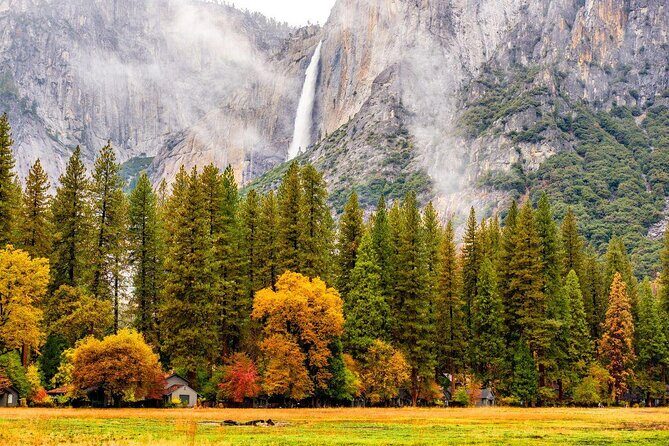
- Yosemite Valley highlights are packed efficiently into two days, including Tunnel View and Yosemite Falls
- Tuolumne Grove giant sequoias includes the walk to the Tunnel Tree, but it can change with snow and ice
- Small group size (max 41) keeps the experience easier to manage than cattle-car tours
- No meals included, but the tour plans time for breakfast and lunch on the road
5:20 a.m. start and why it matters for Yosemite
The day begins early: the tour starts at 5:20 a.m. from the Hilton San Francisco Union Square area, with pickup windows at several other hotels and even one late-rising stop in Livermore. That sounds brutal until you remember Yosemite traffic and parking can turn your best day into a waiting game. Here, you’re already pointed east while the Bay Area is still waking up.
This early departure also shapes what you get on-site. By the time you reach Yosemite, your day isn’t already drained by time spent in lines, parking lots, and last-minute decisions. If you’re the kind of traveler who likes to be moving—rather than watching the morning vanish—this schedule fits you.
You can also read our reviews of more guided tours in San Francisco

The road trip between San Francisco and Yosemite Valley
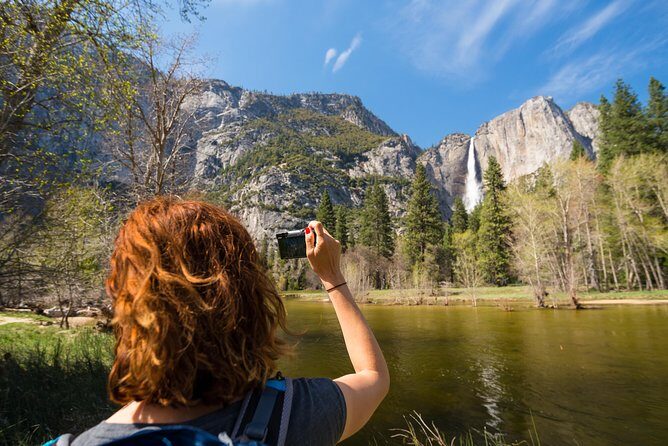
On the drive, you’ll pass some landmarks that make the trip feel more like an adventure and less like a transfer. The San Francisco–Oakland Bay Bridge carries about 260,000 vehicles a day across two decks, so yes, you’ll feel the scale of the Bay Area right away. You also stop at Treasure Island, a man-made island built for the 1939 Golden Gate International Exposition.
Then you cross into the Sierra Nevada, and that’s when the scenery starts doing its job. The tour routes you through the historic Big Oak Flat Road approach from the western entrance into Yosemite, which is one of the most direct ways to get into the park from the Bay Area. It’s a long day, but it’s the kind of long that pays off: you’re not stuck only looking ahead at a highway wall.
If you’re prone to getting bored in transit, the audio guides help. They’re unique geo-based guides in 8 languages (you can specify Spanish, Portuguese, Italian, French, German, Korean, Chinese, or Japanese at booking). The goal isn’t just facts—it helps you notice what you’re actually seeing as you roll into the park.
Yosemite Valley: the two-day “greatest hits” plan
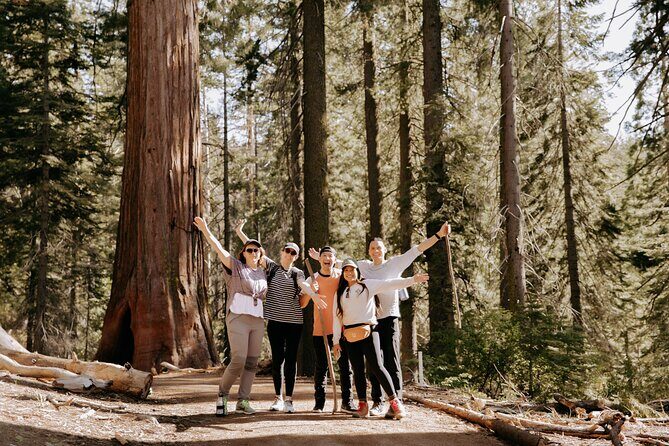
Yosemite Valley is the heart of the park: a glacial valley about 7.5 miles long and 3,000–3,500 feet deep, boxed in by granite walls. This tour uses two days to make sure you don’t spend the whole time sprinting between stops. Instead, you get repeated chances to see the same icons from different angles and different lighting.
On Day 1, the tour’s main thrust is Yosemite Valley itself, then viewpoint hits, then waterfall walking. On Day 2, the day loops back through key Valley areas again, which gives you a second chance if your first view was obscured by timing, crowds, or plain bad luck.
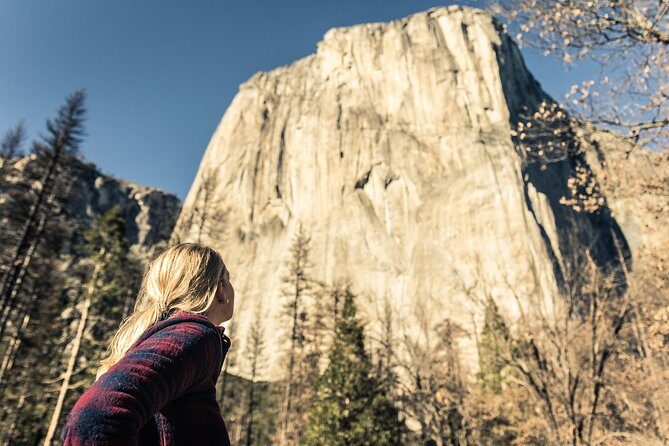
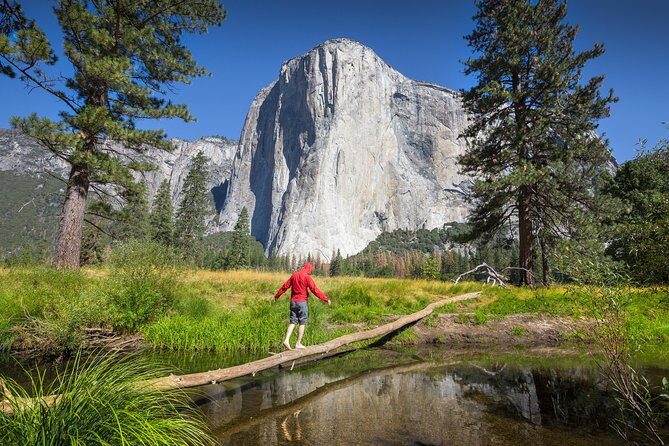
Here’s what that means for you: you’re less likely to feel like you “missed out.” If you want to linger near El Capitan or re-aim your camera at Half Dome, the structure leaves space to do it.
Tunnel View and Valley lookouts that you’ll keep picturing later
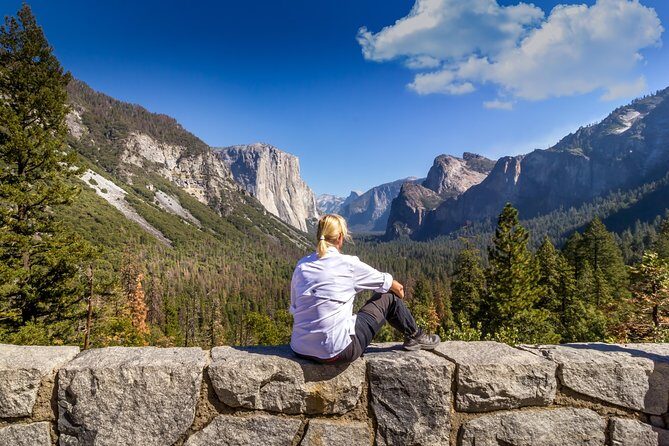
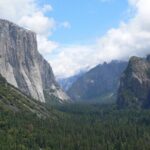
The tour includes Tunnel View, the famous overlook on State Route 41 where people have documented Yosemite Valley views since 1933. This stop is short, but it’s a payoff stop. It’s also a good reset point: once you get the big picture from above, everything you see in the Valley later clicks into place.
You also have time for Yosemite Valley icons tied to specific moments:
- Bridalveil Fall, a major Valley waterfall
- El Capitan, the vertical granite monolith (a favorite for rock climbers)
- Half Dome, the distinctive dome shape at the eastern end of the Valley
One fun detail you might appreciate: one of the guides mentioned in reviews set up telescopes so you could watch climbers on El Capitan. If your guide has time for that kind of hands-on moment, it turns a standard stop into a real experience.
And if you’re visiting during early winter, there’s a timing-dependent highlight: Horsetail Fall is seasonal and can only be seen at certain times of year. The park notes that around the second week of February, the setting sun can hit Horsetail Fall at the right angle. Don’t count on it every day, but it’s worth remembering this is the kind of place where time of day changes the story.
Waterfalls and the short hikes that give you real payoff
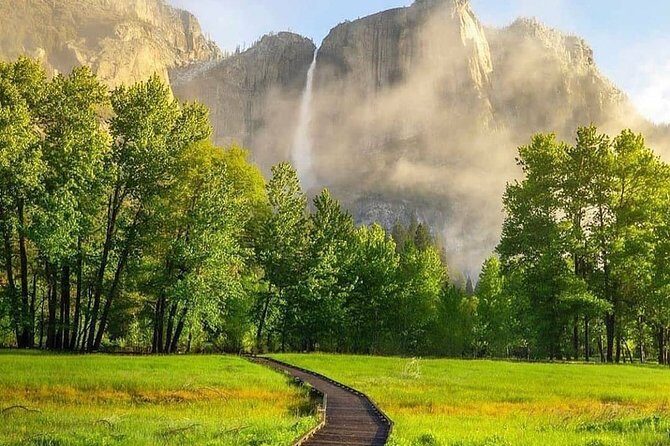
This is where the tour earns its keep. A semi-guided format works best when it includes walks you can actually manage, not just bus stops with panoramic views.
You can also read our reviews of more tours and experiences in San Francisco



Mist Trail: short but steep energy
The Mist Trail is one of Yosemite’s most popular short hikes. It follows the Merced River, starting near Happy Isles, and passes Vernal Fall and Emerald Pool on the way toward Nevada Fall. It’s a steep route for the distance, so don’t plan to treat it like a stroll.
The upside is that you trade time for atmosphere. Even if you don’t hike all the way, the trail area is a classic Yosemite experience. If your legs are strong and you like a challenge, this is one of the best uses of limited time in the Valley.
Lower Yosemite Falls: the easy win
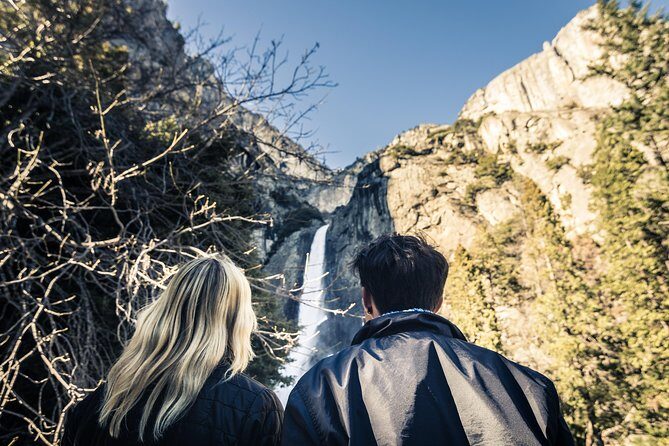
You’ll also do a Lower Yosemite Fall Trail hike: about a quarter-mile one way to a mist-blown view from the base of the 320-foot Lower Yosemite Falls. It’s short enough to be doable even if you’re not a daily hiker, and it’s close enough that you can build it into your day without planning your whole life around it.
The key benefit for you: this is a major waterfall experience with far less effort than the big-name longer hikes. It’s the kind of walk that makes you go, OK, this is why people obsess over Yosemite.
Merced River and the “pause and breathe” moments
The tour stops along the Merced River area too, which helps break up the day into moments where you’re not constantly walking uphill. The river system matters because it’s what creates the waterfalls and the green corridors in the Valley. Even if you only spend 15 minutes, it helps you feel Yosemite as a working ecosystem instead of just granite and views.
Yosemite Falls, the Visitor Center, and your best use of time
One of the easiest mistakes on a Yosemite trip is rushing through the “musts” and then realizing you didn’t collect basic info. This tour includes Yosemite Falls—the highest waterfall in the park, totaling about 2,425 feet from top of the upper fall to the base of the lower fall.
Then it brings you to the Valley Visitor Center, open year round. It’s the biggest spot for natural history displays, books, postcards, maps, and short audiovisual programs, and it’s staffed by people who can help answer questions. If you want to plan your next move once you’re in the Valley on your own time, this is a smart stop.
It’s also where you can ask practical questions like where to go next based on where you already spent the day. Think of it as your on-site “reset button.”
Yosemite Lodge and Half Dome Village: where you sleep affects your day
The tour drops you at Yosemite Lodge (accommodations aren’t included in the package). The Lodge works as a base because it’s close to Yosemite Falls, meaning you can step out and see more than just what’s on your tour route—especially if you want a calmer moment with the Valley.
You may also hear about Half Dome Village, a lodging area near Glacier Point. It’s described as having the warm, hospitable feeling from the early Curry camp era. Even if you don’t stay there, the tour’s reference to it signals that the timing includes viewpoint-minded time, not just bus-seat time.
In real terms: if you want maximum flexibility, staying overnight in Yosemite is the move. This tour itself doesn’t include a hotel night, but the structure assumes you can use overnight time to extend the experience beyond what a single-day plan allows.
Tuolumne Grove and the giant sequoia walk to the Tunnel Tree
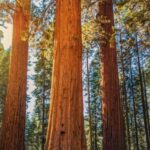
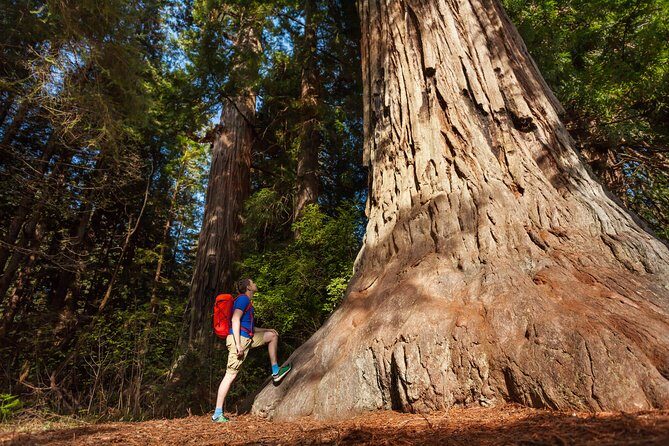
Now for the reason many people book a two-day combo: the giant sequoias. The tour includes Tuolumne Grove, a quieter sequoia area inside Yosemite than the most famous grove. It’s said to have about two dozen mature giant sequoias, including the famous Tunnel Tree, which you can walk through.
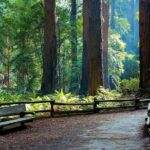
The walk is about 2.5 miles round trip with a moderate descent into the grove. It’s a shaded, peaceful hike, and it’s a very different feeling from Yosemite Valley’s wide-open granite scenes. In your head, you’ll likely compare the two: Valley gives you height and drama; Tuolumne Grove gives you quiet and scale.
One important detail: the grove sits at higher elevation, and the hike depends on trail conditions, especially October through May. That’s not a minor footnote. It affects whether the hike happens on your day.
When winter closes the sequoia trail: what you’ll still get
Snow and ice can shut down the higher-elevation hike. The tour has a built-in plan for this. If conditions make the hike unsafe between November and March, the guide substitutes the hike with additional time in Yosemite Valley.
For you, that means two possible outcomes:
- You get the sequoias walk and the Tunnel Tree moment
- Or you spend extra time in Valley—often a good outcome when visibility or safety rules mean the grove trail won’t be workable
Either way, the tour avoids sending you into questionable conditions. Just know the sequoia hike can’t be guaranteed day to day. It’s one of those “this is Yosemite” realities: weather and elevation win.
Meals, time gaps, and the 2-day rhythm with luggage
Meals aren’t included. The tour does make planned stops for breakfast and lunch, and on the return trip it includes time for dinner, but you’ll pay for your own food.
More important than food is how the two days work. From experience reports, the key thing for 2-day guests is this: you’re dropped off at the Lodge on Day 1 and you’re expected to return to the starting spot the next day at a set afternoon time (not the moment you’re dropped off). One traveler even described that guides didn’t explicitly say this until someone asked. So do yourself a favor: write down the re-board time from your confirmation materials and keep your own bags with you when you’re dropped off.
Also remember that storage is limited in Yosemite. The tour specifically notes limited to no storage, so bring only what you can easily carry. Oversized luggage can trigger an additional $50 fee from the local operator.
Price and value: how $269 makes sense for the Yosemite heavy lifting
At $269 per person for about two days, this package is priced less like a “hotel + entry bundle” and more like a transportation + access + guidance plan.
Here’s what you’re paying for, in practical terms:
- Pickup from many San Francisco hotels (and nearby pickup points)
- Round-trip transportation to Yosemite
- Drop-off at Yosemite Lodge
- Park entry fee for U.S. residents included
- Audio guides in multiple languages
The value improves if you’d otherwise struggle with logistics, especially parking and timing. Yosemite rewards early starts, and this tour gives you that without you having to plan every turn.
Where the value can feel less strong is if you planned to stay in Yosemite anyway and already have your own transportation sorted. Still, most people book because they want time and simplicity more than they want to “drive it themselves.”
Group size, guide styles, and what “semi-guided” really feels like
The tour caps at 41 travelers, which usually keeps things from turning into pure chaos. It’s also semi-guided, meaning you’ll get structured stops and guidance, but you still have time to make your own decisions.
Guide styles vary. Names mentioned in feedback include Aiden (Day 1), Denise (Day 1 for one group), Ben (Day 1), Don (Day 2), Brian (second half for one group), and Janica in office support. That matters because some guides focus on storytelling and history, while others add small extras like telescopes and short hike guidance.
If you want the best experience, come prepared to ask quick questions when you’re at stops. Semi-guided works when you use it.
One drawback to watch: communication can make or break the day
This tour can be smooth, but communication is the weak link in some experiences. A reported issue was unclear stop timing and pickup details, plus confusion about how 2-day guests should handle returning to the bus and when to re-board.
You can protect yourself easily:
- Double-check your pickup location before the tour
- Save the re-board time for the second day
- Keep a short note of what you plan to hike, so you’re not deciding on the spot
And if anything feels off, office support has been described as helpful and responsive in the past.
Who should book this tour
This is a good fit if you want:
- a stress-free Yosemite logistics setup from San Francisco
- two days so you don’t burn everything on a single long push
- a mix of big viewpoints and short walks that are doable
It may not be your best choice if you’re trying to minimize driving time, need fully guaranteed giant sequoia hiking every single day regardless of conditions, or you prefer hyper-independent travel with no scheduled structure.
Should you book this Yosemite & giant sequoias 2-day tour?
If you’re aiming to see Yosemite Valley’s greatest icons plus a real giant sequoia grove without wrestling parking and driving, I’d say this tour is worth considering. The mix of pickup convenience, audio guidance, and two-day pacing makes it easier to enjoy the park instead of just covering it.
My main caution is the same one you’d use anywhere in Yosemite: winter and higher elevation can change plans. If sequoias are your absolute must, go in with flexibility and be ready for the substitute plan if conditions are unsafe.
FAQ
FAQ
What is included in the Yosemite National Park tour package?
The package includes San Francisco pick-up from most hotels, transportation to Yosemite National Park, drop-off at Yosemite Lodge, free unique geo-based audio guides in 8 languages, and the park entry fee for U.S. residents.
Are meals included?
No. Meals are not included, but the tour makes stops for breakfast, lunch, and dinner on the trip back.
Is accommodation included?
No. Accommodations are not included in this package.
What time does the tour start, and how early is pickup?
The tour start time listed is 5:20 a.m., with pickup times at different San Francisco-area locations before departure.
Is the giant sequoia hike guaranteed?
No. The Tuolumne Grove hike depends on trail conditions, especially from October through May. If it’s unsafe due to snow and ice, the hike can be substituted with extra time in Yosemite Valley.
Where does the tour drop you off?
The tour includes a drop-off at Yosemite Lodge.
How many people are in the group?
The tour has a maximum of 41 travelers.
Do I need a car safety seat for children?
California law requires tour guests to bring a car safety seat for all children under 8 and under 4′ 9″ (1.4 meters). If you don’t provide it and don’t inform the operator in advance, you may not be allowed to board.
Do non-U.S. residents have to pay extra for the park?
Yes. Non-U.S. residents aged 16 and older will be charged an additional $100 park entry fee per person after completing booking. The America the Beautiful Non-Resident Pass holders are noted as not paying the extra $100 fee, with a $250 pass covering up to 4 people at the entrance.
What languages are available for the audio guides?
Audio guides are available in Spanish, Portuguese, Italian, French, German, Korean, Chinese, and Japanese. You specify the language at booking under special requirements.