REVIEW · SAN FRANCISCO
San Francisco: Mission District Food & History Walking Tour
Book on GetYourGuide →Operated by Gray Line San Francisco · Bookable on GetYourGuide
Street food meets earthquake lore. This Mission District walking tour strings together landmarks, stories, and snacks in a tight loop that ends at Balmy Alley. One of my favorite parts is the Café de Olla stop, where you try Oaxacan-style comfort foods while the guide explains what makes the neighborhood tick.
What I really liked, though, was the way the tour treats history like something you can still see. From Mission Dolores Park (with its cemetery past) to the Golden Fire Hydrant tied to the 1906 earthquake, you get context before you snap photos and move on. The one possible drawback: the route stays firmly in the Mission, so if you want lots of different neighborhoods in one day, this may feel like too much time in one area.
In This Review
- Key things that make this tour worth your time
- Mission District stories start at Mission San Francisco de Asís
- Mission Dolores Park and the Golden Fire Hydrant you’ll remember
- Café de Olla: Oaxacan-style food on a walking-tour schedule
- Mission Street and the architecture you can actually spot
- The 24th Street food stretch: your second choice keeps it flexible
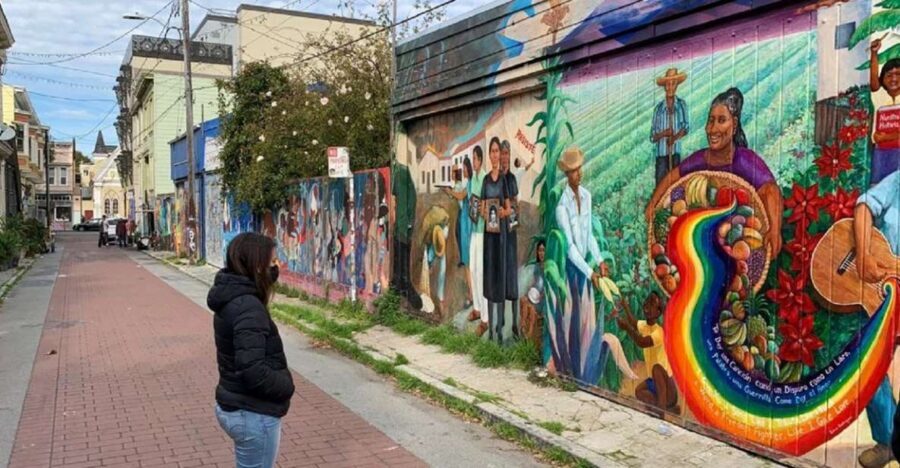
- Balmy Alley murals: the street art has a reason
- Price and value: what $99 really buys you
- When this tour makes the most sense
- What to wear, how to pace, and simple logistics
- Should you book this Mission District tour?
- FAQ
- Where is the tour meeting point?
- How long does the Mission District food and history walking tour last?
- What food tastings are included on the tour?
- Is admission to Mission San Francisco de Asís included?
- Is the tour guided, and what language is it in?
- What should I bring, and is there free cancellation?
Key things that make this tour worth your time
- Mission San Francisco de Asís first: you start at a major landmark before the streets get explained
- Mission Dolores Park + the Golden Fire Hydrant: earthquake survival comes with a real visual anchor
- Café de Olla for Oaxacan-style flavors: taste-from-scratch food and classic drinks
- Mission Street architecture and local storefronts: you learn what you’re looking at, not just where to walk
- An easy stretch for your second choice: tacos, pastry, or coffee, depending on the option you pick
- Balmy Alley murals with human rights themes: street art with political and emotional backstories
Mission District stories start at Mission San Francisco de Asís
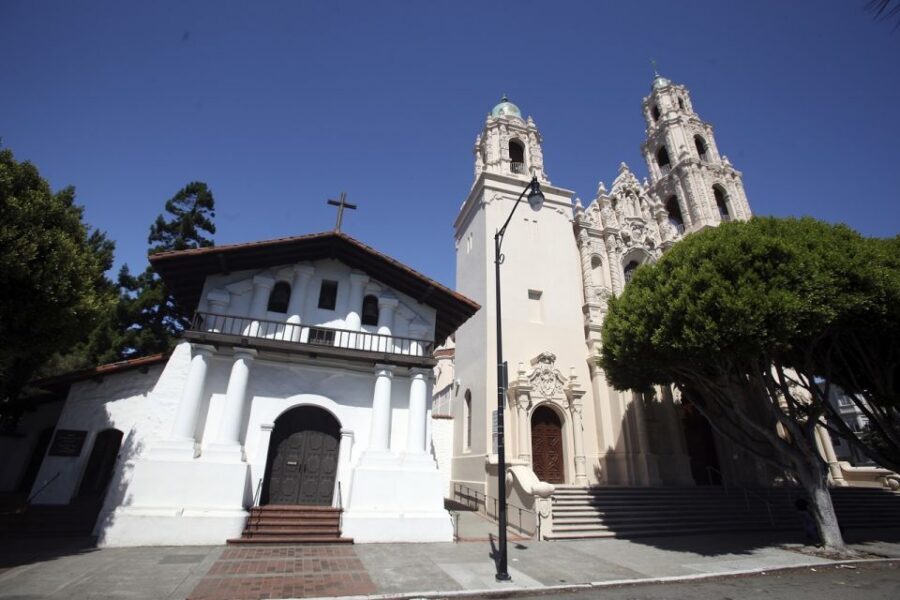
You meet your guide in front of Mission San Francisco de Asís (often called Mission Dolores), and that matters. Starting at one of the oldest buildings in the city gives you a baseline for everything that follows—religious art, the mission site, and the way later generations shaped the land around it.
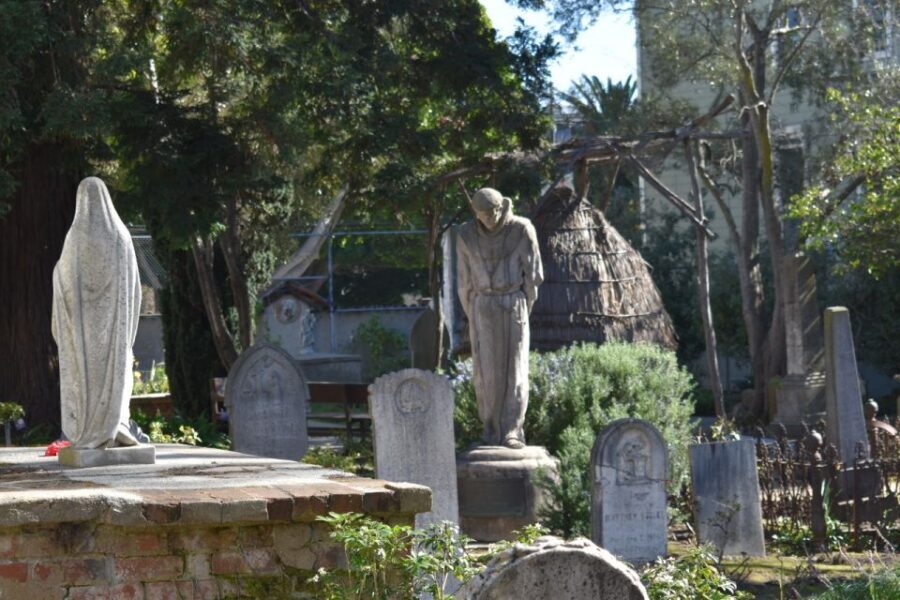
Inside, the focus is on the chapel and its religious artwork, plus the surrounding gardens. You’re also there for the cemetery angle: this mission is described as home to the only cemetery within city limits. That detail changes how you look at the grounds. It’s not just a stop for photos; it’s a reminder that this neighborhood’s story began long before the Mission District’s modern reputation.
If you like tours that move beyond trivia, you’ll appreciate how the guide frames the space. You don’t need to be a Mission history expert to follow along. The stories are delivered in a way that makes the buildings feel like they have cause-and-effect.
Practical note: this section is an entrance-included stop, so you don’t have to hunt down ticket lines on your own.
You can also read our reviews of more walking tours in San Francisco


Mission Dolores Park and the Golden Fire Hydrant you’ll remember
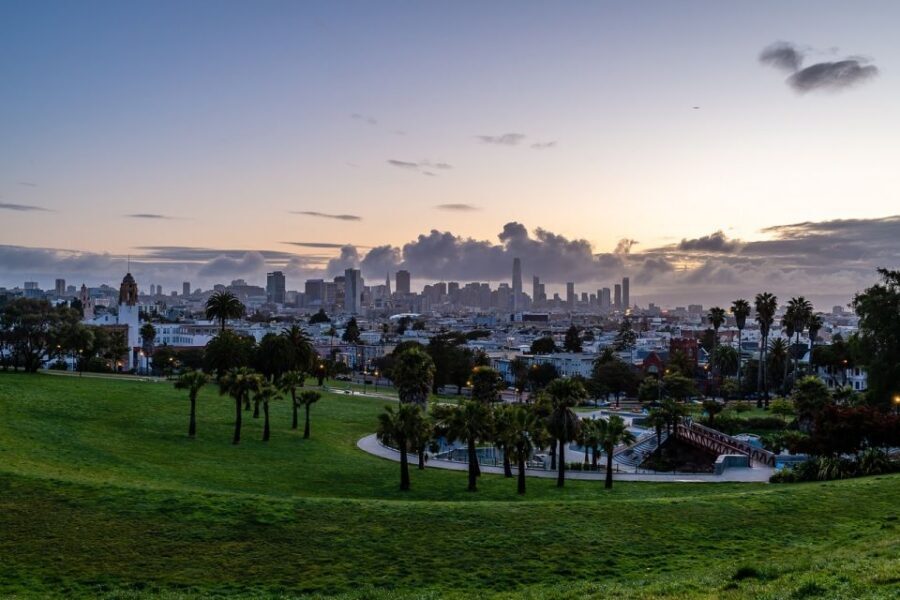
After the mission grounds, the tour shifts to Mission Dolores Park, about an hour of walking time that helps you reset your pace. The park itself has layers. It was formerly a Jewish cemetery, and it’s now one of the most popular parks in San Francisco—so you’re standing in a place that has been used and re-used for different communities and needs.
As you wander, you’ll pass Father Hidalgo’s statue. It’s one of those spots that can look like a quick photo stop. With the guide’s explanation, it becomes a marker in the neighborhood’s longer narrative.
Then comes the highlight that tends to stick: the Golden Fire Hydrant, described as the only fire hydrant to survive the 1906 earthquake. This is the kind of fact that feels like a postcard caption—until you’re actually there, noticing it as a real object in the real world. The guide ties it to what happened after the quake, so the monument feels less like decoration and more like evidence.
One more reason this park stop works for many people: it’s a breather. You get time outdoors and a change of scenery before food and street art take over.
Café de Olla: Oaxacan-style food on a walking-tour schedule
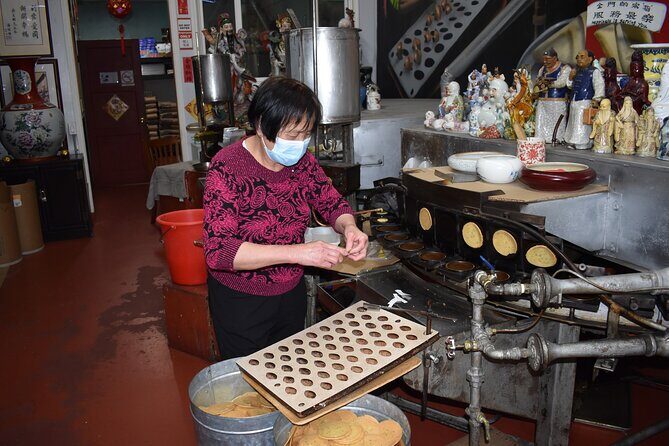
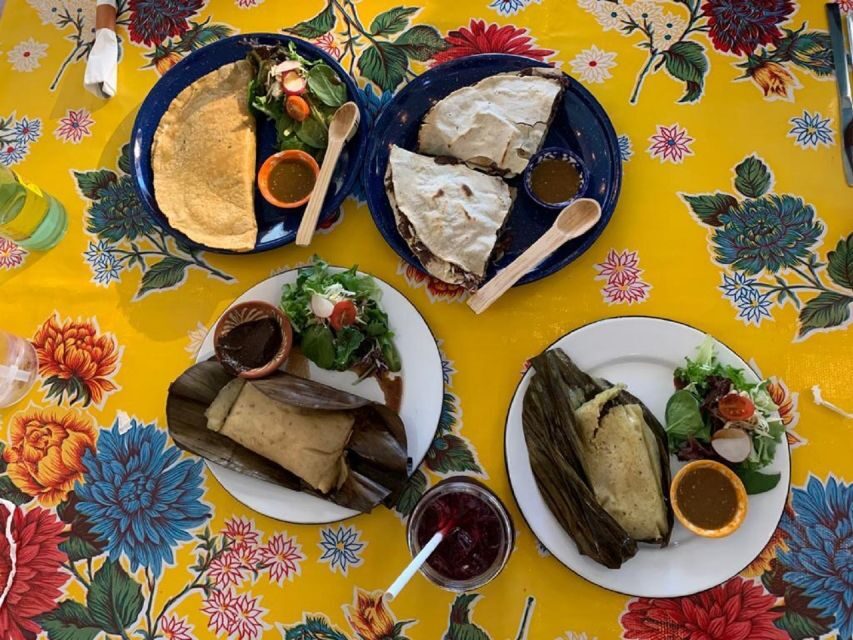
Next up is the food stop at Café de Olla. Expect about 30 minutes here, and expect the meal to be built around the idea of being local. The tour notes that the restaurant makes everything from scratch and honors Oaxacan-style cuisine.
This isn’t a sit-and-stare restaurant experience. It’s a tasting stop, and that’s a plus when you’re spending the rest of the time on your feet. You’ll sample dishes like quesadillas, tamales, tlayudas, and tortillas, and you’ll sip typical beverages such as agua fresca or ice caffe de olla.
If you’re a coffee person, this is where you get to try it as part of the regional food culture, not just as caffeine fuel. And if you’re unsure what to order in your own trip, the tasting menu-style approach does the thinking for you. You’ll leave with a better sense of what you actually enjoy, which helps if you want to return on your own later.
Small drawback to consider: if you have a very picky palate or strong dietary restrictions, a tasting format can feel limiting. The tour data doesn’t list special accommodations, so if you’re in that situation, it’s worth checking with the operator before booking.
Mission Street and the architecture you can actually spot
After lunch-ish fuel, you head out onto Mission Street with a guided walk. This section is shorter—around 30 minutes—but it’s designed to teach you how to look. Mission Street is lined with traditional stores and theatres, and your guide uses that backdrop to explain what you’re seeing.
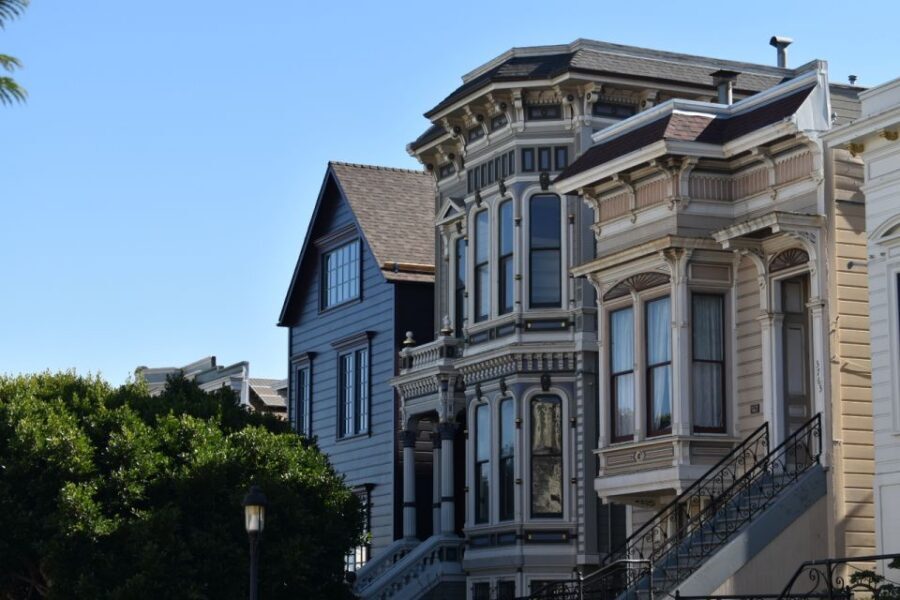
The big theme here is architecture. You’ll see a mix of styles, including Victorian, stick-style houses, and Mission Revival mixed-use buildings. Many visitors pass these details without noticing them. On this tour, the guide points out what makes each style distinct, so you start recognizing patterns instead of just observing a busy street.
This is also a good time to slow down mentally. When the guide ties buildings to neighborhood change, it feels less random. You start to understand why the streets look the way they do now.
Who this section is for: people who love walking photos but also like knowing what’s behind the facade.
The 24th Street food stretch: your second choice keeps it flexible
Once you get your bearings, you walk toward 24th Street, an about eight-block stretch packed with food options. The structure here is smart. Instead of forcing one fixed meal, you get a second tasting choice.
The tour notes that this second tasting can be tacos, pastry, or coffee, depending on what you pick. That flexibility helps for two reasons. First, you can steer it toward what you’re craving at that moment. Second, it avoids the common problem where everyone in the group has to commit to the same thing and some people end up unhappy.
Even if you’re not a huge foodie, this part is valuable because it shows how the Mission District works as a daily system. You’re moving through a commercial corridor where local habits—quick bites, casual stops, and snack culture—are the main attraction.
Tip for your own choices: if you’re the type who likes to keep tasting variety, go with something different from what you already ate at Café de Olla. If you’re more of a sweet-or-coffee person, the pastry or coffee option can feel like the perfect closing act.
You can also read our reviews of more food & drink experiences in San Francisco



Balmy Alley murals: the street art has a reason
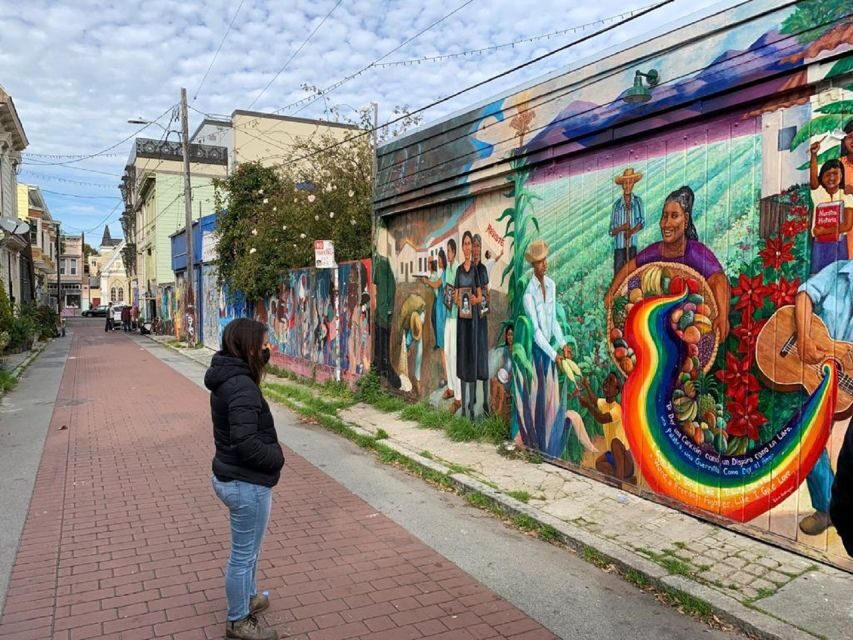
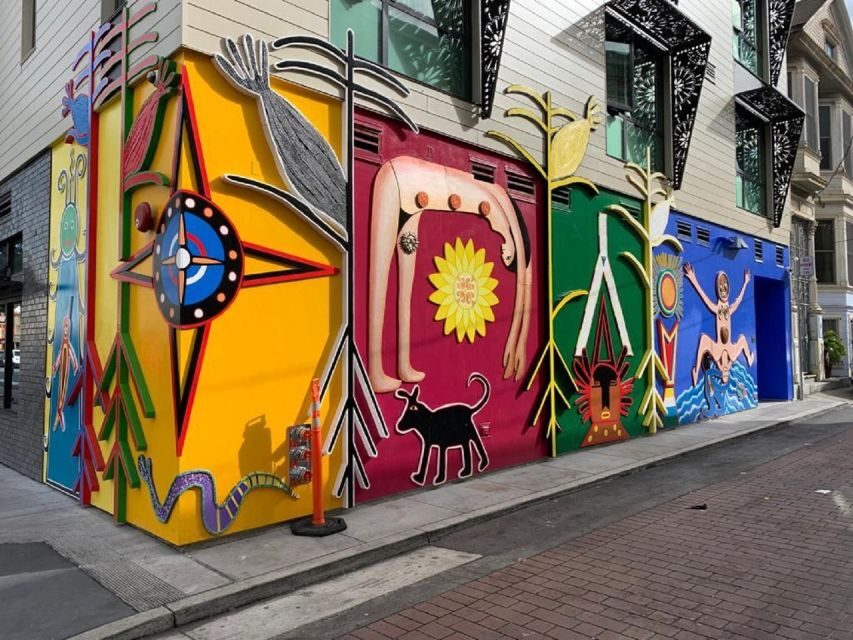
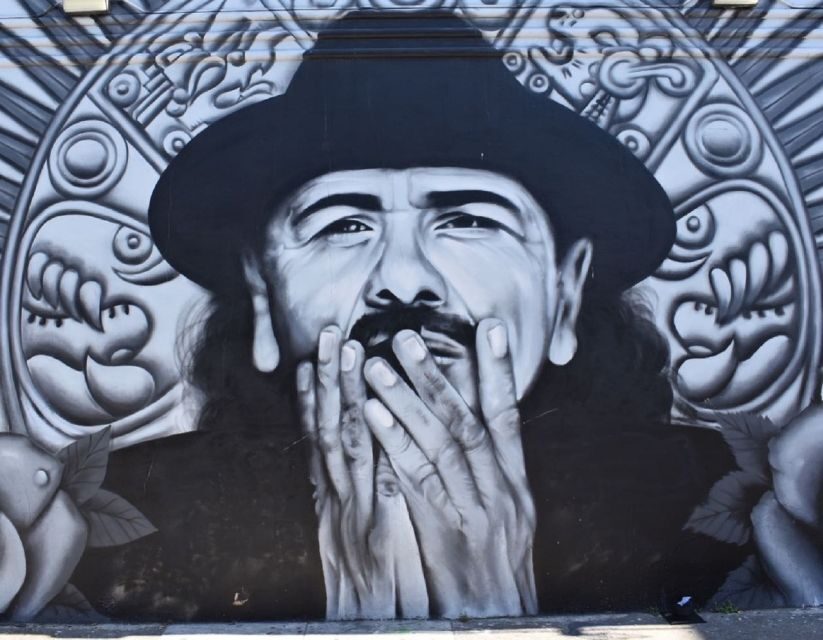
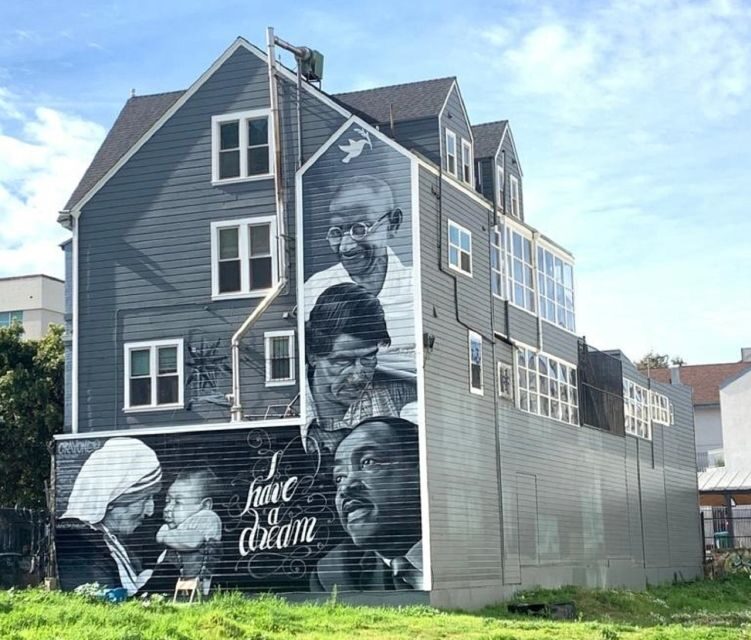
You finish at 50 Balmy St near Balmy Alley, a street known for its extensive mural collection. The tour frames these murals with the themes behind them: many were painted as an expression of outrage over human rights violations and political abuses in Central America.
This is the moment where the tour’s emotional tone becomes clear. Street art here isn’t just color. It’s commentary, grief, anger, and witness—put on walls where people can see it every day.
If you usually treat murals as background, you might find this ending makes you look differently. It encourages you to read the art like a message rather than a decoration.
And because you’re walking the Mission already, you get a sense of why this kind of public storytelling fits the neighborhood. It’s the same spirit as the food stops and historical sites: community voice, not just tourist gloss.
Photo note: bring your camera/phone with charged batteries. You’ll want more than a couple of shots here.
Price and value: what $99 really buys you
At $99 per person for about 210 minutes (3.5 hours), this tour sits in the midrange for a city walking experience. Here’s what you’re getting, and why it can feel like good value if you care about the details:
- Guided walking through major Mission landmarks, not just a self-guided route
- A professional local guide with English-language storytelling
- Entrance included to Mission San Francisco de Asís
- One formal tasting at Café de Olla plus a second tasting choice (tacos, pastry, or coffee)
If you compare it to paying entrance on your own and buying two separate food stops, the math often comes out closer than you’d expect—especially when you factor in that the guide helps you understand what you’re looking at.
The other hidden value is time. The Mission can be confusing if you’re trying to DIY it. This gives you a logical flow: mission → park landmark → Oaxacan food → architecture street → 24th Street bites → Balmy Alley murals. You spend less time figuring out where to go and more time actually enjoying the day.
When this tour makes the most sense
This tour is a strong fit for you if you:
- Like walking tours that explain what you’re seeing, not just where to stand
- Want food in the middle of the experience (so you’re not waiting until dinner)
- Enjoy street art when it comes with context and meaning
- Prefer one neighborhood explored deeply rather than a fast sampler across many areas
It’s less of a fit if you:
- Want to cover multiple neighborhoods in one day
- Have very specific dietary needs and are unsure about how a tasting format will work for you
- Don’t enjoy spending a lot of time in the Mission specifically
What to wear, how to pace, and simple logistics
This is a walking-focused tour, so your main gear decision is shoes. The tour recommends comfortable shoes and weather-appropriate clothing. Since San Francisco weather can shift quickly, it’s smart to dress in layers so you’re not sweating on the walk or shivering at the park.
Pacing is built into the route: you start with a meaningful indoor/outdoor mission stop, take a park walk, sit down for tastings, then keep moving through the streets until the mural finale. That rhythm helps you avoid the classic problem of a long walk where everyone runs out of energy before the best part.
Also, plan to arrive on time at the meeting point in front of Mission San Francisco de Asís. The tour begins there, and the rest of the schedule depends on keeping that flow.
Should you book this Mission District tour?
If you’re excited by Mission District culture, history you can still see, and food that matches the neighborhood’s identity, I’d say yes. This tour does a good job connecting places to stories, and it uses tastings to keep the experience grounded in real life instead of just facts.
If you’re mainly chasing a grab-bag of San Francisco highlights, you might feel boxed in by the Mission-only approach. Also, if you have tight dietary restrictions, you should confirm how the tasting format will work for your needs before you commit.
For most people, though, the combination of Mission Dolores landmarks, the Golden Fire Hydrant moment, a solid Oaxacan-style meal, and Balmy Alley murals is a compelling package. And when the guide leans into personal storytelling—like the Joseph-led experiences people rave about—the neighborhood feels less like an exhibit and more like a place you can connect with.
FAQ
Where is the tour meeting point?
Meet your guide in front of Misión San Francisco de Asís.
How long does the Mission District food and history walking tour last?
The duration is about 210 minutes (around 3.5 hours).
What food tastings are included on the tour?
You’ll have a tasting at Café de Olla and then a second tasting choice. The Café de Olla stop includes items like quesadillas, tamales, tlayudas, and tortillas, plus drinks such as agua fresca or ice caffe de olla. The second tasting is your choice of tacos, pastry, or coffee.
Is admission to Mission San Francisco de Asís included?
Yes. The tour includes the entrance fee to Mission San Francisco de Asis.
Is the tour guided, and what language is it in?
Yes, it’s a live tour guide and the tour is in English.
What should I bring, and is there free cancellation?
Wear comfortable shoes and weather-appropriate clothing. You can cancel up to 24 hours in advance for a full refund.