REVIEW · SAN FRANCISCO
San Francisco: Chinatown Walking Food Tour
Book on GetYourGuide →Operated by Sidewalk Food Tours · Bookable on GetYourGuide
Five Chinatown bites in three hours beats guessing. I love the mix of iconic stops and real food here, plus the way the tour keeps you moving instead of hunting menus. I also like the line-free tastings at big-name spots, so you taste more and wait less. One catch to weigh: this is built around set tastings in advance, so if you need last-minute food changes, you may be stuck.
In a small group (limited to 8), you’ll get an English-speaking guide and a simple plan for exploring San Francisco’s Chinatown without doing the usual tourist scramble. Expect history-and-food stops like the Chinese Fortune Cookie Factory, the oldest Buddhist Temple in San Francisco, and an authentic Chinese market, then regional bites from Chinese-owned and operated places.
In This Review
- Key Things I’d Circle Before You Go
- Chinatown on Foot: Why This Route Works
- Price and Value: Is $99 Fair for Five Tastings?
- Getting Oriented at the East West Bank Meeting Point
- What You’ll Taste: Five Stops That Cover More Than One Style
- New Hollywood Bakery and Restaurant: Cha Siu Buns
- Grant Place: Hong Kong-Style Dim Sum
- Hunan House: Bolder, Savory Flavor
- AA Bakery & Café: Egg Tarts That Aim for Perfection
- Z&Y Restaurant and Chef Han’s Big Reputation
- Bund Shanghai: Shanghai-Style Comfort
- The Key Sights: Fortune Cookie Factory, Buddhist Temple, and an Authentic Market
- The Chinese Fortune Cookie Factory
- The Oldest Buddhist Temple in San Francisco
- An Authentic Chinese Market
- How the Guide Makes or Breaks the Experience
- The One Real Caution: Set Tastings and Planning for Food Needs
- Who This Tour Is Best For
- Should You Book This Chinatown Food Walking Tour?
- FAQ
- How long is the San Francisco Chinatown walking food tour?
- What food is included in the tour price?
- Where does the tour meet?
- Is bottled beverage included?
- How many people are in the group?
- What should I do if I have dietary restrictions?
Key Things I’d Circle Before You Go
- Fortune Cookie Factory + Oldest Buddhist Temple: two classic sights folded into the eating route.
- Five tastings, not five snack crumbs: bakeries and eateries where locals actually go.
- Real regional styles: Cantonese, Mandarin, and Szechuan influences show up across the stops.
- Set stops with short waiting time: you skip the long lines at popular places.
- Small group feel: with up to 8 people, you get more guide attention than on big buses.
Chinatown on Foot: Why This Route Works
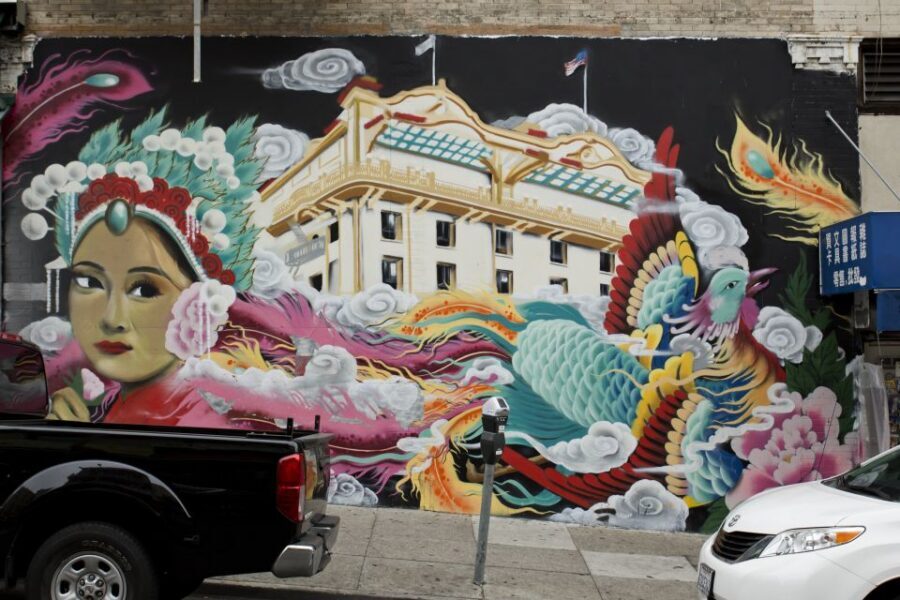
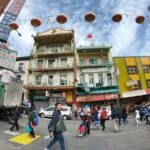
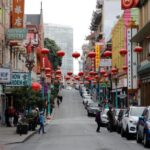
San Francisco’s Chinatown can feel like two things at once: a maze of streets full of smells, and a place where it’s easy to spend time reading menus instead of tasting. This tour solves that. It’s built for walking, with a tight 3-hour window where you get food at multiple kinds of places, not just one restaurant.
What I like is the balance of food styles. You’re not stuck on one theme like dumplings only. Instead, you get baked buns, dim sum-style bites, and Hong Kong egg tarts, plus other regional specialties. That matters because Chinatown isn’t one cuisine—it’s a patchwork of family businesses and regional cooking that evolved with different immigrant communities.
And because it’s a walking tour with a guide, you also get context while you chew. That’s the difference between tasting and understanding. When you know why a shop became known for one item, that item tastes better.
You can also read our reviews of more walking tours in San Francisco

Price and Value: Is $99 Fair for Five Tastings?
Let’s talk about the $99 price in practical terms. You’re paying for three things at once: guided time (3 hours), a curated set of stops, and all food tastings at five locations.
In Chinatown, a single iconic item plus a drink can add up faster than you think, especially if you end up choosing places that are convenient instead of good. Here, you’re not buying one meal. You’re collecting a series of tastes—so you can compare styles without paying for a full lunch at every stop.
Also, the tour includes the big advantage most DIY plans don’t: you’re taking a route that’s designed around the most popular spots without forcing you to camp out in long lines. You’ll still be walking, but you won’t lose your limited time to queueing.
One note: bottled beverages aren’t included. Some locations may provide water, but you should plan to grab a drink before or after the tour if you want something specific.
Getting Oriented at the East West Bank Meeting Point
Meet up is simple, but it’s worth reading the street details. The tour starts in front of the East West Bank at 1066 Grant Ave, with cross streets at Pacific and Grant Avenues. The instructions say to meet on the Grant Avenue side.
If you’re coming by BART, the closest station is Montgomery, about a 20-minute walk. If you’re driving, there’s a parking garage at 733 Kearny Street, between Clay and Washington, and it’s about a 5-minute walk.
Bring comfortable shoes. Chinatown sidewalks can be uneven, and the route is timed for a 3-hour experience. This is not the kind of tour where you can wear fancy footwear and feel okay.
What You’ll Taste: Five Stops That Cover More Than One Style
This tour is built around tasting from five Chinese-owned and operated places. The exact five can include the following stops, based on the plan you purchase:
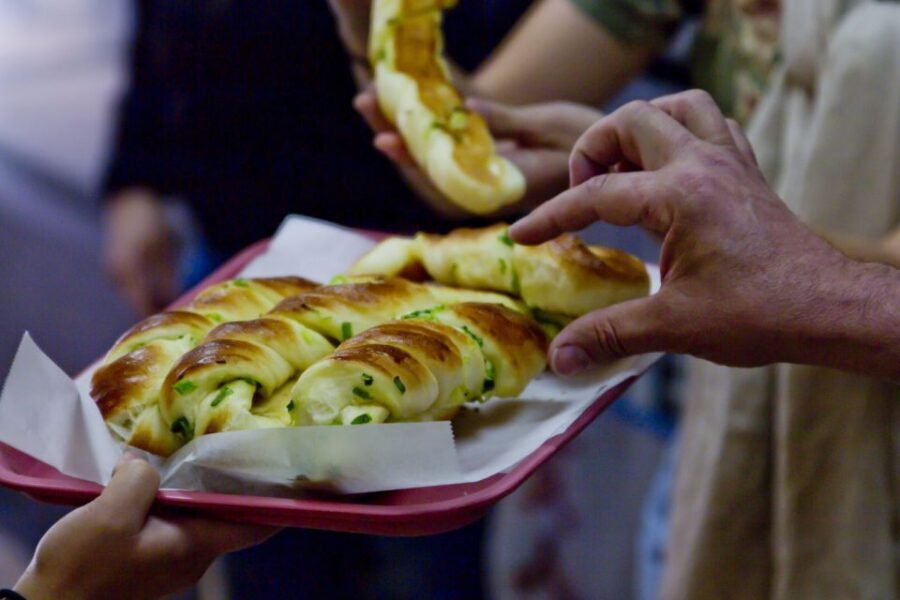
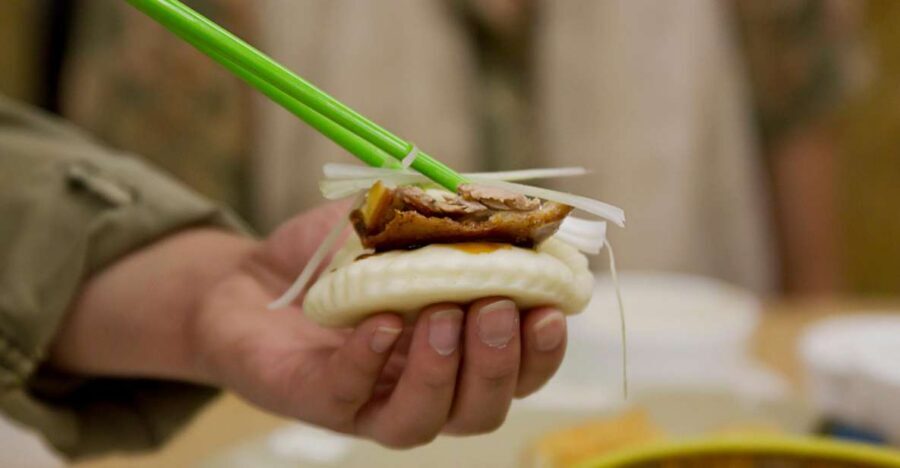
- New Hollywood Bakery and Restaurant: light, buttery buns filled with cha siu pork (barbecue-flavored).
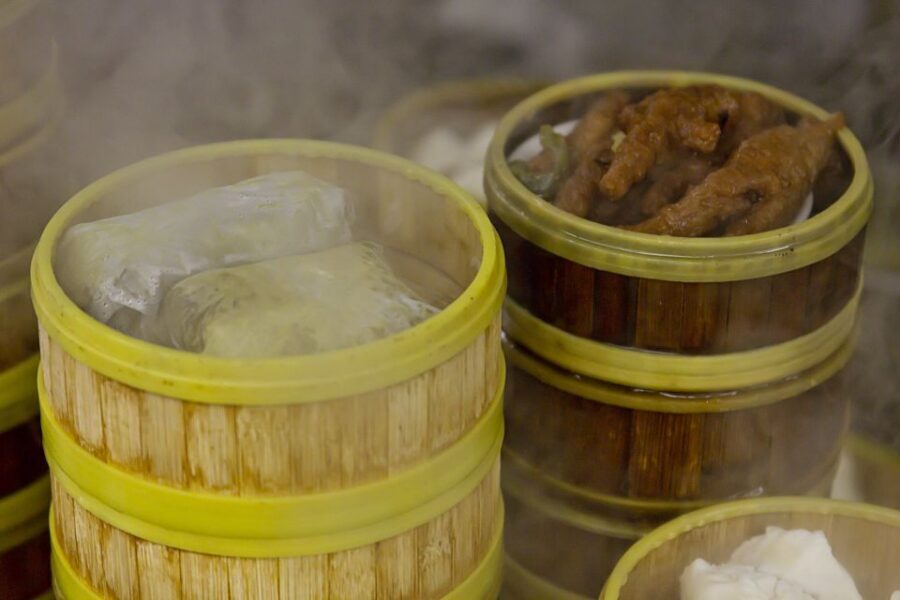
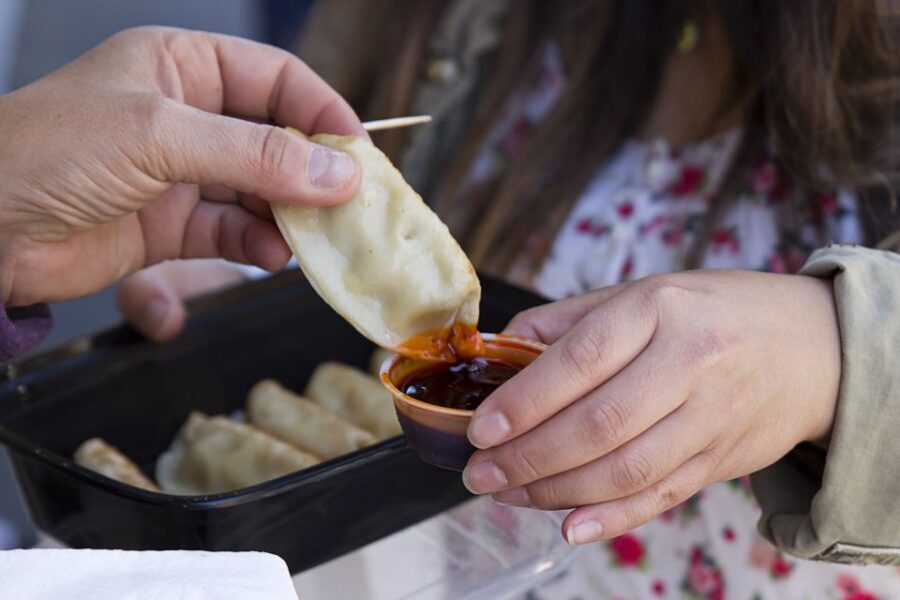
- Grant Place: Hong Kong-style dim sum and Chinese specialties.
- Hunan House: Hunan cuisine, known for bold, savory flavor.
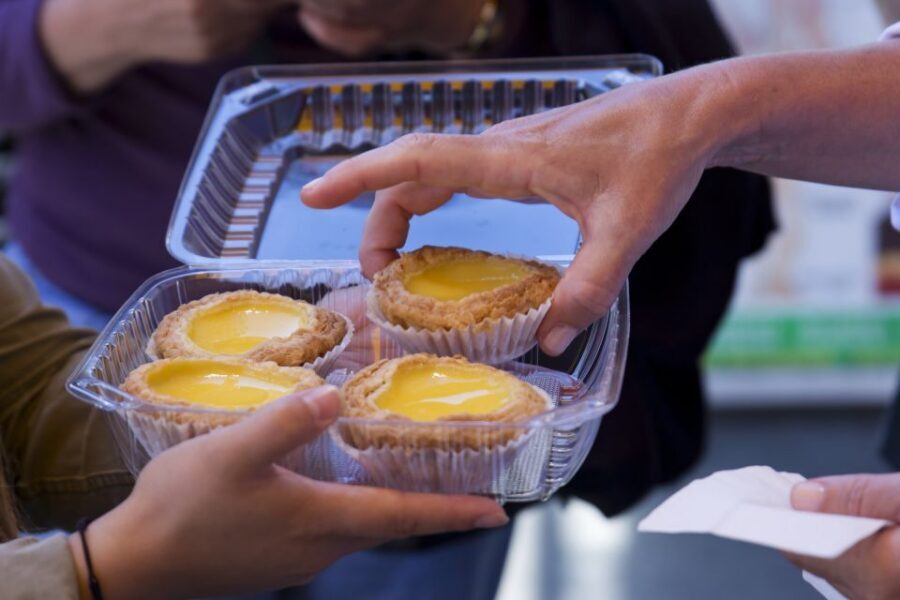
- AA Bakery & Café: Hong Kong-style egg tarts with a smooth, flan-like center and flaky crust.
- Z&Y Restaurant: chef Han, with the distinction of preparing food for presidents and foreign ministers of the People’s Republic of China.
- Also listed as a possible stop: Bund Shanghai for traditional Shanghai-style cuisine.
Even if you’re new to Chinese food, these categories are useful. A bun like cha siu is a different experience from egg tart. Dim sum is different from Shanghai-style dishes. Hunan cuisine brings its own flavor profile. You’re sampling across the range, so you’ll leave with a better sense of what you like.
New Hollywood Bakery and Restaurant: Cha Siu Buns
If there’s one place to start, it’s here. The cha siu pork bun is described as light and buttery with barbecue-flavored pork filling. That combination matters: you get the sweet-savory comfort of the pork with the soft, rich bun texture.
This is also a good item for figuring out whether you like the more Cantonese-leaning baked-and-steamed comfort style versus the crisp, sauce-heavy style of other regions.
You can also read our reviews of more food & drink experiences in San Francisco
Grant Place: Hong Kong-Style Dim Sum
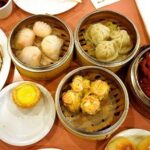
Dim sum can mean a lot of things, and this stop is specifically positioned around Hong Kong-style dim sum and Chinese specialties. Expect a selection that fits the tour’s pace—tasting-sized, but still designed to represent what the place does best.
This stop is also where you’ll likely hear the guide connect food to everyday Chinatown life. Dim sum is a culture-of-ordering meal, not just a dish.
Hunan House: Bolder, Savory Flavor
Hunan cuisine is known for strong flavors, and this stop gives you a taste of that angle. Even if you’re not chasing heat, the Hunan approach tends to be about depth—flavor that hits more than one part of your palate.
If you like food that tastes like it has a point of view, this is one of the most interesting stops on the list.
AA Bakery & Café: Egg Tarts That Aim for Perfection
The Hong Kong-style egg tarts here are described as cooked to a smooth, flan-like perfection, with a buttery and flaky crust. That description is pretty specific, and that’s good. It means you’re not just eating something sweet—you’re comparing texture: custard smoothness versus crust flakiness.
This is the kind of bite that makes you stop walking for half a second and actually taste, not just snack.
Z&Y Restaurant and Chef Han’s Big Reputation
Z&Y Restaurant is tied to chef Han, who has a reputation for preparing food for presidents and foreign ministers. Even if you only catch a short story, it signals something: this isn’t a random strip-mall stop. It’s a place with status, at least within its world.
For you, that usually translates to more consistent flavors. It’s a smart choice to include in a tasting tour because it balances the more everyday market-food stops with a higher-profile kitchen.
Bund Shanghai: Shanghai-Style Comfort
Bund Shanghai is there for traditional Shanghai-style cuisine. Think of this as another dial setting in the Chinatown flavor mix. Shanghai food often feels different from Hong Kong favorites and different again from Szechuan or Hunan styles.
If you’ve only had one type of Chinese food before, this stop helps correct that assumption fast.
The Key Sights: Fortune Cookie Factory, Buddhist Temple, and an Authentic Market
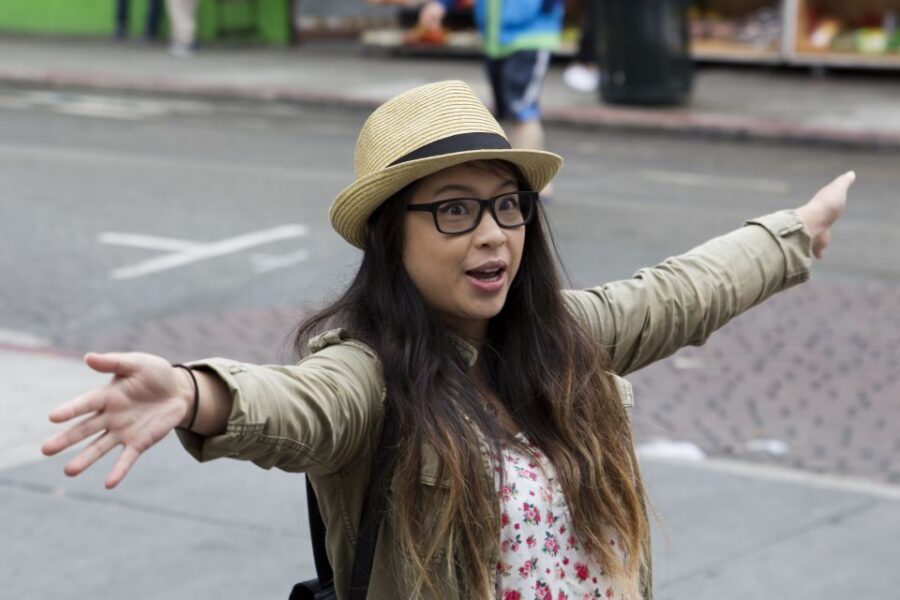
The tour’s sightseeing component isn’t random. It includes three places that tell you why this neighborhood smells the way it does and why certain foods became staples.
The Chinese Fortune Cookie Factory
You’ll visit the Chinese Fortune Cookie Factory. Fortune cookies can be misunderstood as generic “American-Chinese” souvenirs, but the factory visit helps you connect the dots to the broader Chinatown food tradition.
Even if you’ve eaten fortune cookies before, seeing the process framing is useful. It changes how you look at something that’s often treated like a joke.
The Oldest Buddhist Temple in San Francisco
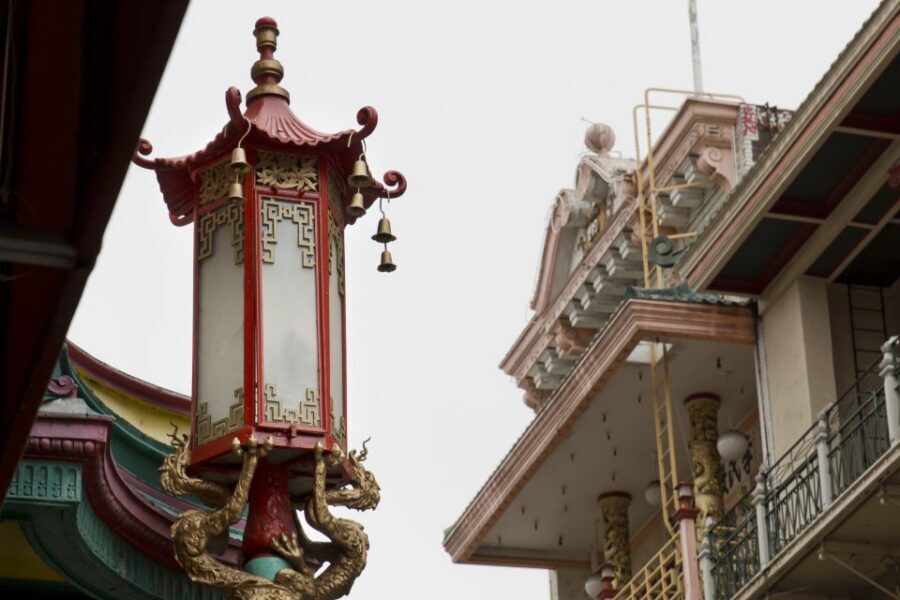
The route also includes an older Buddhist temple in San Francisco—described as the oldest Buddhist Temple in the city. That’s a meaningful pairing with food because Chinatown’s story is not just restaurants and shopping. It’s community institutions, family culture, and religious life.
When you combine that with what you’re eating, you get a more complete picture of what Chinatown is.
An Authentic Chinese Market
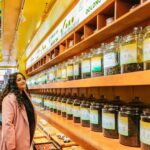
Then there’s the authentic Chinese market stop. Markets are where food tours become real. You start noticing ingredients, packaging, and the practical rhythm of buying and cooking.
For you, the market moment is often where you’ll decide what you want next time you shop in Chinatown—because you’ll see what’s common, not just what’s famous.
How the Guide Makes or Breaks the Experience
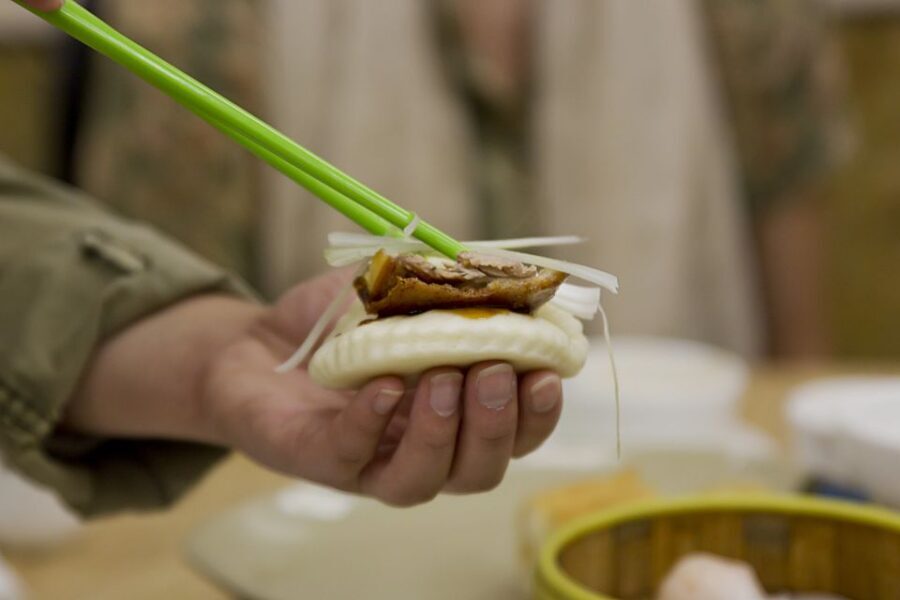
A food tour lives or dies by the guide’s pacing and storytelling. This one is consistently praised for guide style and energy, with names like Jinny, Ted B, Ted, Michael, Marvin, and Lauren appearing in the guide highlights.
The common thread: people mention guides who are friendly, funny, and capable of explaining what you’re eating without making it feel like a lecture. One guide detail that keeps coming up is that guides remember names, which helps a small-group tour feel personal instead of transactional.
So when you book, I’d pay attention to the group size and the guide-led format more than the food list. The stops are great, but the guide turns the stops into a coherent walk.
The One Real Caution: Set Tastings and Planning for Food Needs
This tour is designed around tastings prepared in advance at each location. That’s usually a win for timing, but it has implications.
You should let the operator know about dietary restrictions when you purchase your tickets. The tour notes that last-minute dietary changes won’t be accommodated, because substitutions need preparation time. If you have severe allergies, the guidance is to contact them directly (or call the provided number) before booking.
If you’re very flexible—no severe allergies and no last-minute changes—you’ll likely have a smooth experience. If you’re not, plan ahead. This is one of those cases where readiness gives you value.
Who This Tour Is Best For
This fits well if:
- you want a first-time Chinatown experience with structure
- you like sampling different regional styles instead of repeating one favorite
- you’d rather pay for direction and pacing than spend your day making guesses
- you enjoy guides who explain context along the way
It may not be ideal if you:
- hate walking for several blocks (comfortable shoes are a must)
- want full control over what you eat on the spot
- need major substitutions at the last minute
There’s also one less-than-perfect theme that shows up in the overall sentiment: a small number of people felt the food variety and quality didn’t hit the same level as expected. That’s not unusual on tasting tours where everyone’s taste standards are different, but it’s worth keeping in mind.
Should You Book This Chinatown Food Walking Tour?
Yes, if you want a time-efficient way to eat your way through San Francisco Chinatown without losing hours to lineups or unclear ordering. For the price, the real value is that you’re getting five curated tastings, a guide to connect them to Chinatown history and culture, and sight stops like the Fortune Cookie Factory and the oldest Buddhist Temple.
I’d especially book it if it’s your first visit to Chinatown, or if you’re traveling with limited time and you’d rather spend your energy tasting than planning.
If you’re picky about food changes or have complex dietary needs, book with your restrictions clearly stated from the start—and don’t count on last-minute swaps.
FAQ
How long is the San Francisco Chinatown walking food tour?
The tour duration is 3 hours.
What food is included in the tour price?
All food tastings are included. The experience covers five delicious foods from a set of Chinese specialty food stores and ethnic eateries.
Where does the tour meet?
The tour meets in front of the East West Bank at 1066 Grant Ave, San Francisco, CA 94133. The cross streets are Pacific and Grant Avenues, and you should meet on the Grant Avenue side.
Is bottled beverage included?
Bottled beverage is not included. Some locations may supply water.
How many people are in the group?
The tour is a small group limited to 8 participants.
What should I do if I have dietary restrictions?
Let them know when you purchase your ticket. Tastings are prepared in advance at each location, and last-minute dietary changes are not accommodated. If you have severe food allergies, contact them or call the number provided before purchasing.