REVIEW · SAN FRANCISCO
The Escape Game San Francisco: Epic 60-Minute Adventures Downtown
Book on Viator →Operated by The Escape Game San Francisco · Bookable on Viator
A locked door and 60 minutes? That’s a fun way to beat San Francisco’s typical night plans. In the Financial District near 150 Kearny St, The Escape Game San Francisco turns your group into a puzzle-solving team with a live guide, multiple themed missions, and an action-focused format. I like that it is easy to reach and that the experience runs on a tight 60-minute timer that keeps energy high.
My favorite part is how welcoming the staff feels in real time. Hosts like Chris and Dan have helped first-timers have a great go, and the puzzles work for groups with mixed experience levels. One thing to consider: unless you book all spots in a specific mission, the game can become a shared experience with other people added to your team without you consenting to it.
In This Review
- Key things to know before you book
- One stop: 150 Kearny St and the Financial District setup
- How the 60-minute mission really feels (and why it helps your group)
- Choosing among five missions: what each one is good for
- What to expect from the guide (and how to use their help)
- Price and value: what $45.99 gets you
- Shared games: the one detail that can change the experience
- Tips to escape faster (or at least enjoy the attempt)
- Who this is best for (and who might not love it)
- Should you book The Escape Game San Francisco (Downtown)?
- FAQ
- Where is the meeting point for The Escape Game San Francisco (Downtown)?
- How long is the escape game experience?
- What language is the experience offered in?
- What games can I choose from?
- Can I leave the room during the game?
- Is this suitable for children and teens?
- Is there free cancellation?
Key things to know before you book

- Financial District location: Easy walk-in logistics around 150 Kearny St.
- One hour, not an all-night commitment: A clear 60-minute mission window.
- Five themed games to choose from: Gold Rush, Prison Break, Special Ops: Mysterious Market, The Heist, and Playground.
- Bright, non-scary style: These missions are more adventurous than dark or scary.
- You can leave anytime: Rooms have an exit button if you need to step out.
- Group size cap matters: The experience has a maximum of 12 travelers.
One stop: 150 Kearny St and the Financial District setup

This experience is built for people who want a solid evening activity without planning around traffic, parking, or a long ride across town. Your start point is The Escape Game San Francisco (Downtown), 150 Kearny St, San Francisco, CA 94108, and it ends back at the same place. That matters because you can tack this onto dinner plans nearby instead of reworking your whole day.
The location is also a practical plus if you’re using public transit. It’s described as near public transportation, which is exactly what you want in a city where getting around can turn into a mini project. And since you get a mobile ticket, you’re not stuck hunting for paper or printing anything out.
Time-wise, this works especially well if you want to skip the crowded bar scene and just do something hands-on. A lot of people prefer doing this late enough that they’re not rushed, but early enough that they still feel social after. The format is also friendly for mixed groups, including multi-generational ones, because you can contribute in different ways when the mission starts.
You can also read our reviews of more tours and experiences in San Francisco.



How the 60-minute mission really feels (and why it helps your group)
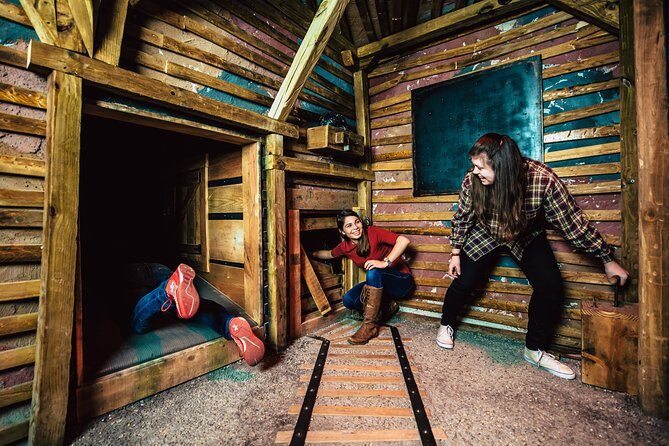
Here’s the structure you should expect once you show up. A dedicated game guide takes you into your adventure and gives you what you need to start strong. You’ll have a brief prep period right before your mission—about 15 minutes to get oriented and review your briefing—then you get the main event: exactly 60 minutes to solve the clues and complete the mission.
That 60-minute limit is one of the best design choices here. It pushes everyone into a real teamwork rhythm. You can feel progress, you can adjust when you hit a puzzle wall, and you’re not stuck in a slow drift for hours. It also makes it easier for people who don’t do escape rooms often, because the challenge is contained.
After the mission, you get about 15 minutes to debrief and take photos. That debrief time is more important than it sounds. Even if you don’t solve everything perfectly, you can usually talk through what worked, what slowed you down, and how your team can do better next time. It’s a fun way to turn the experience from just stressful moments into a shared story.
One more safety-and-comfort detail: you’ll be in a room with a locked door, but every door includes an exit button. So if anyone needs to step out for any reason, you can do so. It’s reassuring for first-timers and for groups traveling with someone who may get anxious in confined spaces.
Choosing among five missions: what each one is good for

Instead of one generic escape room experience, you pick one of five themed games. That choice affects the vibe, the kinds of clues you’ll solve, and how playful the mission feels. The big win for you is variety: you can select what matches your group’s tastes rather than forcing everyone into one storyline.
Here are the five options you can choose from:
- Gold Rush: Find hidden gold in the California hills.
This is a good fit if your group likes exploration and discovery-style puzzles where careful observation pays off.
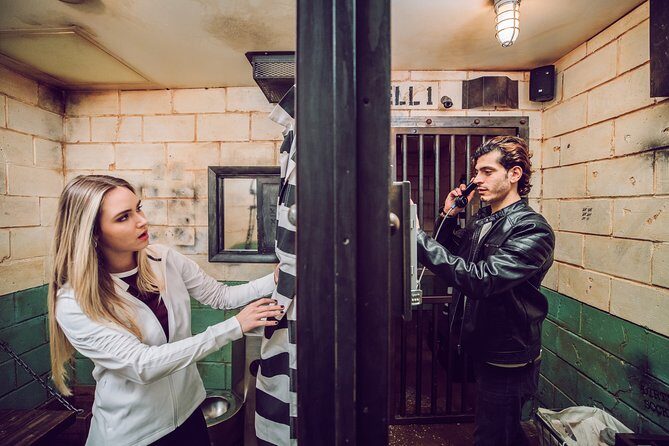
- Prison Break: Complete a daring escape from the evil warden.
This tends to feel more like a high-stakes mission, ideal for groups who enjoy urgency and problem-solving under pressure.
- Special Ops: Mysterious Market: Uncover the truth as a secret agent.
If you like puzzles that feel like investigation and pattern-finding, this one is the most naturally suited to that mindset.
- The Heist: Recover a stolen masterpiece from an art thief.
This usually appeals to people who enjoy mission planning energy—thinking through steps, timing, and figuring out what matters most.
- Playground: Complete your report card and get to summer break.
This is a strong pick for families or mixed-age groups, especially if you want a lighter tone.
One thing I appreciate is that the games are described as not scary or dark. So you’re not signing up for a horror-style night. Instead, it’s more upbeat: exciting, adventurous, and something most people can enjoy.
Also, note the age guidance: games are recommended for ages 13 and up. Younger players can join, but some content may be too difficult. If you have kids 14 and under, an adult aged 18 or older must participate with them. Any participant under 18 needs an adult to sign their waiver. That rule is worth planning around early if you’re traveling with teens or younger kids.
What to expect from the guide (and how to use their help)

You’ll be working as a team to find clues, solve puzzles, and complete the mission. That’s the main idea, but the guide role is what turns it from random puzzle hunting into a smooth experience.
A dedicated game guide walks you into the adventure and helps as needed. The reviews I’ve heard align with what you should look for: staff that is friendly, accommodating, and good at keeping the experience moving. Hosts like Chris and Dan come up when people talk about how supported they felt, especially when the group included first-timers.
For you, the practical strategy is simple: don’t treat help like a last resort. If your group is stuck and time is slipping, it’s better to get a nudge and keep momentum than to spiral into confusion for 20 minutes. A 60-minute mission rewards action and adjustment.
And yes, this is a puzzle game where communication matters. If your group has a mix of ages or backgrounds, you’ll likely find that the fastest progress comes from assigning roles quickly—one person watching for details, another organizing ideas, and others testing possibilities. Even the best teams don’t always solve everything alone.
Price and value: what $45.99 gets you

The price is $45.99 per person. On paper, that can sound steep—especially in a city where you can also find lots of free things to do. But here’s why it can still feel like solid value: you’re paying for a guided, timed, mission-based activity that runs for about 1 hour and 15 minutes total, including briefing and debrief.
You also get access to a chosen themed game and a staff-led experience designed to keep you engaged. And since this is built for groups, you’re not paying for a solo activity—you’re paying to turn your people into a team with shared problem-solving.
One more value angle: the hour format often makes this easier to fit into a travel schedule. It’s not an all-day commitment, and it’s not one of those activities where you need to start early and hope the rest of your day survives. If you’re visiting for a long weekend or you want one memorable evening outside of typical sightseeing, this is an efficient pick.
Still, it’s a consideration. If you’re on a tight budget, it may be a splurge. But if you’re looking for something active, social, and different from walking around and taking photos, it’s the kind of cost that can feel justified.






Shared games: the one detail that can change the experience
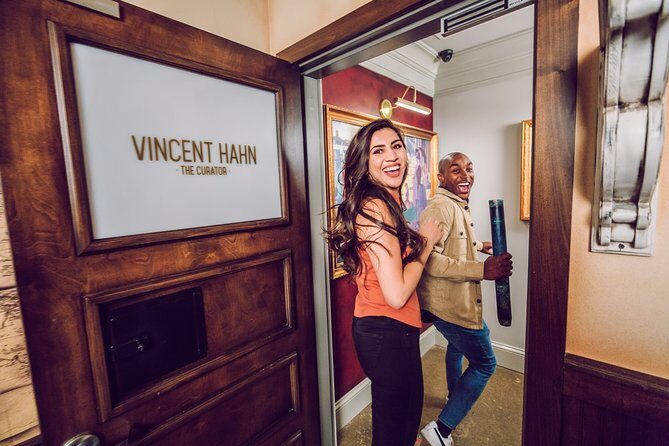
There’s a key operational detail that can affect your enjoyment: the games have the potential to be shared experiences unless you book all the spots in a game. That means other people may be added to your group and join your team.
For some groups, this is no big deal. For others—especially groups with pre-planned roles or big expectations about how the team dynamic will feel—this can be frustrating. It can also lead to uneven participation if the added players take over certain puzzles.
My advice: treat your booking choices as part of your “game strategy.” If you’re traveling as a tight friend group, planning a team-building event, or you want control over how your group works together, try to book so you have your team alone.
This is the single biggest swing factor in the experience quality. The puzzles themselves are timed and fun; the team mix is what can tilt the vibe.
Tips to escape faster (or at least enjoy the attempt)
You do not need to be an escape-room pro. In fact, the format often works best for teams that communicate and adapt quickly. If you want to give yourself the best shot at finishing with time to spare, here are practical habits that fit the way these missions are structured:
- Assign roles in the first minute. One person scans, another tracks ideas, and others test possibilities.
- Talk out loud. If you’re thinking it, say it. Escape-room teamwork lives on shared information.
- Don’t get locked into one puzzle. If you’re stuck, move to a different clue chain and come back later.
- Use the guide when you’re stuck too long. A gentle nudge can restore momentum.
- Plan for the full rhythm. You’ll have a briefing period before the 60 minutes, then a debrief and photos afterward. Think of it as a full mini-event, not just the locked-room part.
Also, remember the rooms aren’t scary or dark, so you’re not dealing with jump scares or horror pacing. That can help you stay calm, focus, and keep solving without panic.
Who this is best for (and who might not love it)
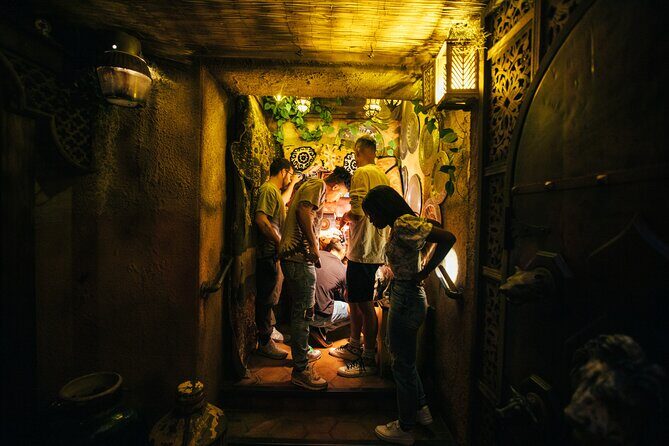
This is one of those activities that can fit a surprising range of travelers. It’s great for groups who want a fun challenge together—friends, family, or coworkers. The experience is also designed for mixed experience levels. In practice, that means a group with a couple of newcomers can still do well if they take the teamwork part seriously.
It also makes sense for multi-age groups. People have described group ages spanning from older adults to teenagers, and the key is that everyone contributes in their own way. If you’re traveling with someone who likes thinking games but doesn’t want something physical, this can be a sweet spot.
Who should be cautious? If you’re not comfortable with teamwork, communication, and a time pressure challenge, you might find it stressful. Also, if you strongly prefer to keep your group private, pay attention to the shared-experience possibility. That team-mix detail is the main thing that can make or break your expectations.
Should you book The Escape Game San Francisco (Downtown)?
Book it if you want a timed, social challenge in a convenient part of town, with a guide helping you along and a choice of five playful missions. I’d especially recommend it for groups who enjoy puzzles and want something more interactive than standard sightseeing. The fact that the rooms are not scary or dark also helps if you’re bringing people who might dislike darker attractions.
Skip it or adjust your plan if you’re budget-sensitive or if you’re counting on a private team experience. The shared-game potential can change team dynamics, so if that matters, make your booking choice with that in mind.
If you want a memorable San Francisco night that’s not just sitting around, this is a strong option. It’s one hour, it’s structured, and it gives you a built-in story to talk about afterward.
FAQ
Where is the meeting point for The Escape Game San Francisco (Downtown)?
The meeting point is The Escape Game San Francisco (Downtown), located at 150 Kearny St, San Francisco, CA 94108. The activity ends back at the meeting point.
How long is the escape game experience?
Plan for about 1 hour 15 minutes total. That includes roughly 15 minutes for prep/briefing, 60 minutes for the mission, and about 15 minutes afterward for debriefing and photos.
What language is the experience offered in?
The experience is offered in English.
What games can I choose from?
You can choose from five games: Gold Rush, Prison Break, Special Ops: Mysterious Market, The Heist, and Playground.
Can I leave the room during the game?
Yes. You’ll be in a room with a locked door, but each door has an exit button. If you need to leave, you can do so at any time.
Is this suitable for children and teens?
Games are recommended for ages 13 and up. Younger players are allowed, but some content may be too difficult. An adult 18 or older must participate with anyone aged 14 and under. Participants under 18 also need an adult to sign their waiver.
Is there free cancellation?
Yes. You can cancel for free up to 24 hours in advance for a full refund. Cancellations made less than 24 hours before the start time are not refunded.