REVIEW · SAN FRANCISCO
Yosemite National Park – One Way Trip
Book on Viator →Operated by Gray Line San Francisco · Bookable on Viator
Yosemite without the driving strain. This one-way trip is built around a spacious coach (with Wi‑Fi and a restroom), then a timed visit to the best-known Yosemite sights. I really like how the guided Valley bus tour helps you hit Tunnel View and key viewpoints without worrying about parking or turns.
The big consideration is money: if you are a non-resident and age 16 or over, you will still need to pay a $103 government fee at the destination for U.S. National Parks entry, even though the tour includes the park entrance fee.
In This Review
- Key points to know before you go
- Yosemite in one way: what this trip is actually good for
- Price and the fees that can change your real total
- The coach ride from San Francisco: comfort that matters on a long day
- How the route works: Highway 120 vs Highway 140
- Oakdale or Livingston stop: a quick supplies reset
- Entering Yosemite: the guided Valley bus tour that sets the stage
- Tunnel View: the postcard angles, short and worth it
- Bridalveil Falls drop-off at Yosemite Lodge: a practical handoff
- Your 4 hours in Yosemite Valley: how to use it well
- Crowds can make or break the experience
- Guide and driver: why names matter
- What can go wrong on a coach day (and how to protect yourself)
- One-way drop at Yosemite Lodge: who this fits best
- Should you book this one-way Yosemite coach transfer?
- FAQ
- FAQ
- How long is the Yosemite National Park one-way trip?
- What is the price per person?
- Is Wi‑Fi and a restroom included on the coach?
- What language is the tour offered in?
- What is included once you reach Yosemite?
- Which major viewpoints are included?
- How much free time do you have in Yosemite Valley?
- Are food and drinks included?
- Do non-residents need to pay an extra fee?
- If I cancel, can I get a refund?
- How many people are on the tour?
- Does the route always use the same highway and rest stop?
Key points to know before you go
- Wi‑Fi and restroom on the coach so the long ride feels less punishing
- A guided Yosemite Valley bus loop built around the headline viewpoints
- Tunnel View and Bridalveil Falls timing for quick photo stops and orientation
- Oakdale or Livingston rest stop for water, snacks, and hiking or picnic supplies
- Expect the non-resident $103 entry fee if it applies to you
Yosemite in one way: what this trip is actually good for
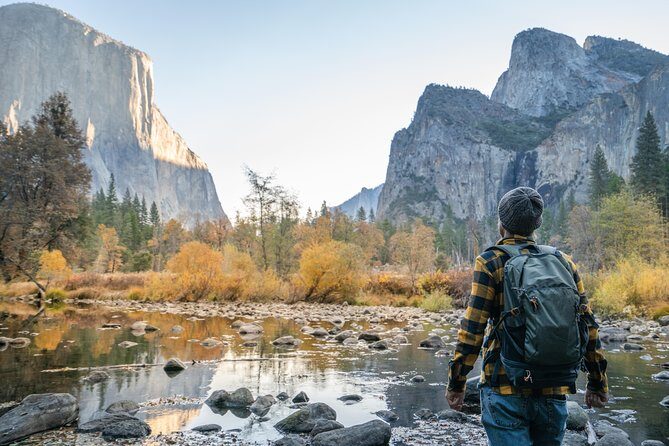
This is a practical way to see Yosemite if you do not want to drive, deal with shuttles, or plan a route from scratch. The format is simple: you get carried out of San Francisco, you get a guided overview once you reach Yosemite Valley, and then you continue on from there.
I like this style of travel because it lowers decision fatigue. You can spend your energy on the views—especially the classic frames you only really appreciate once you see them in person. And because you are in a coach with a restroom and Wi‑Fi, the trip feels more like commuting than suffering.
That said, this is still Yosemite. In popular times of year, the Valley gets crowded fast. If you want long, quiet stops to wait for the perfect photo angle, a scheduled one-way visit may feel tight.
You can also read our reviews of more tours and experiences in San Francisco.


Price and the fees that can change your real total
The tour price is $135.00 per person for a one-way transfer. That is fairly straightforward on paper, and the tour includes your Yosemite National Park entrance fee, plus a guided bus tour of Yosemite Valley and rest stops.
But the pricing gotcha is the government fee for non-resident passengers age 16+. The info provided by the operator says you must pay $103 at the destination for entry to U.S. National Parks if you qualify. So your real all-in entry cost can be higher than you expect unless you are sure you are exempt.
If you are a non-resident and age 16 or over, I suggest you do this quick math before booking:
- Tour price: $135
- Possible additional destination fee: $103
That does not mean the tour is bad. It just means you should treat the day like a real Yosemite budget—not a cheap day trip.
The coach ride from San Francisco: comfort that matters on a long day
This trip runs about 5 to 6 hours total, give or take based on conditions. You are on a luxury air-conditioned coach with a restroom, and the ride includes Wi‑Fi. That sounds like a small perk until you are stuck on the road and you actually need a place to recharge your phone and stay comfortable.
The driver also handles the rhythm: you get rest and photo stops along the way. Those breaks matter because Yosemite approaches often feel like they are stretching longer than the map suggests.
One more practical point: this is a coach with up to 55 travelers. That is big enough that you should expect a bit of motion and noise, but small enough that you are not swallowed by an airport-style crowd. If you are the type who likes to listen to commentary while the world rolls past your window, the setup fits.
How the route works: Highway 120 vs Highway 140
Once you are moving north, the plan is to use Highway 120 to reach Yosemite when conditions allow. If conditions change, the driver will switch to Highway 140 and make an alternate stop in Livingston.
This matters for two reasons. First, your timing can shift based on which highway you take. Second, your rest stop options can change. The good news is the operator builds in a predictable supply moment so you are not walking into Yosemite Valley with empty hands.
Also, the trip includes scenic driving through the park area, with viewpoints built in. Even before you reach your main stops, you get some of the “how is this real?” moments that make Yosemite famous.
Oakdale or Livingston stop: a quick supplies reset
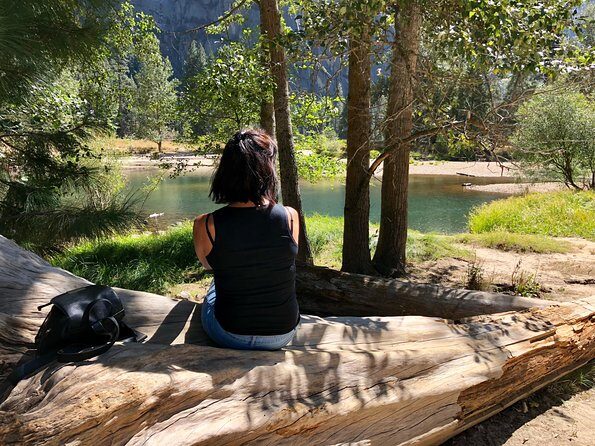
Before you hit the park, you get a short stop in Oakdale—or in Livingston on the alternate route (depending on traffic and weather). This is not a sightseeing stop. It is a practical one.
You can use this break to buy:
- water (H20 is specifically mentioned)
- snacks and breakfast-type snacks
- food you might want for hiking or picnicking
If you plan to do more than just stand and stare at viewpoints, this is your chance to prep. I always treat these pre-park breaks like a mini market run: buy what you can, then relax later in the Valley.






Entering Yosemite: the guided Valley bus tour that sets the stage
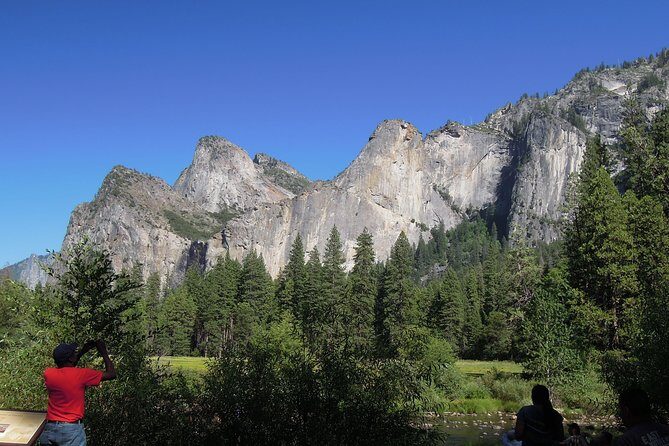
Once you enter Yosemite National Park, you start with a 1-hour bus tour of Yosemite Valley. This is the part I recommend using actively, not passively.
You get stops that include:
- Tunnel View
- Bridalveil Falls, plus a view that includes El Capitan
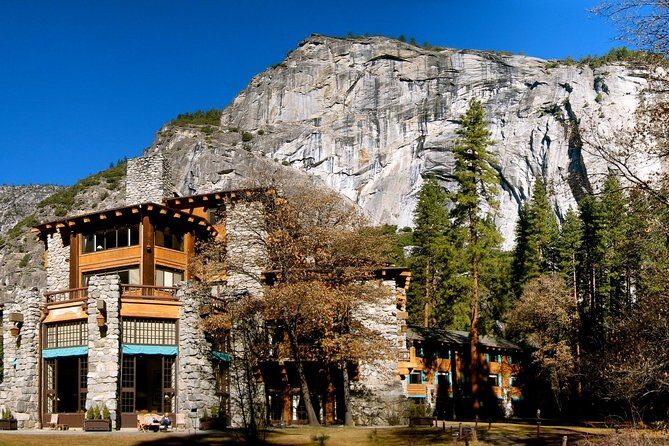
- Yosemite Lodge
During this guided loop, the driver-guide commentary helps you understand what you are looking at. You are not just seeing names on a map—you are building a mental model of where things sit in the Valley.
Then you get free time in Yosemite Valley after the guided portion. The provided details show 4 hours connected to Yosemite Valley time, so plan to use that time intentionally.
Tunnel View: the postcard angles, short and worth it
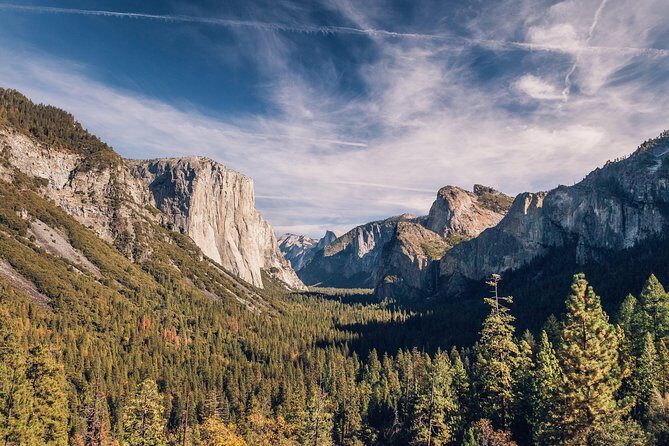
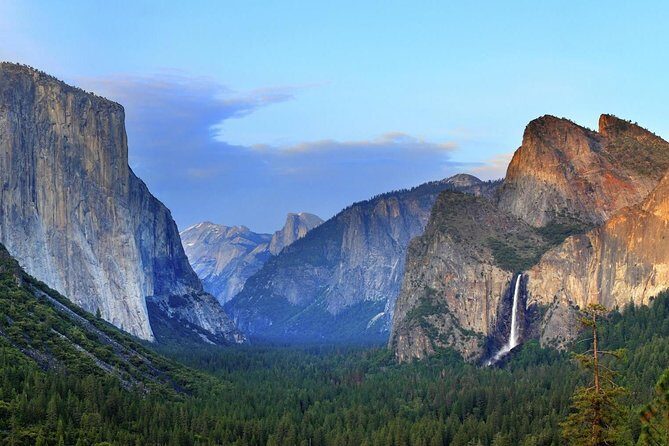
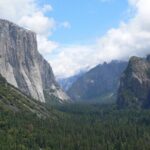
Tunnel View is one of those places that can feel overwhelming because it is so famous. The tour gives you a 15-minute stop here, along State Route 41, and the view covers:
- Yosemite Valley to the east
- the southwest face of El Capitan
- Half Dome
- Bridalveil Falls
Fifteen minutes is not a long time, but it is enough to orient yourself and take a handful of solid photos. I suggest you do it in a simple order:
1) Look first, no camera.
2) Decide where you want your main shots.
3) Then take photos quickly and move on.
That keeps you from wasting the short window chasing one perfect angle while the rest of the Valley time slips away.
Bridalveil Falls drop-off at Yosemite Lodge: a practical handoff
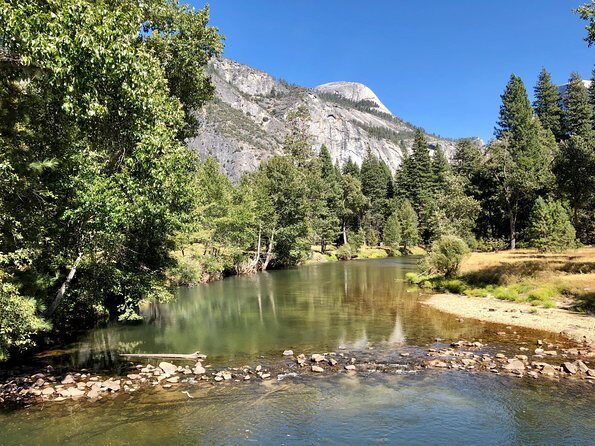
After the guided loop, the one-way option described here drops you at Yosemite Lodge (that is where the driver will end this segment). You can ask the driver questions, and they are there to help you make sense of your next moves.
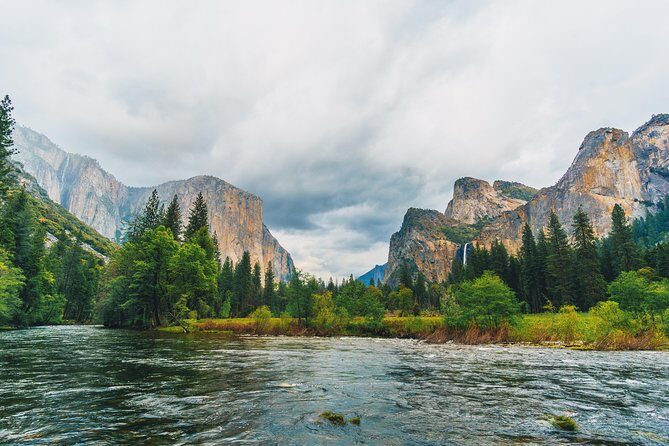
Bridalveil Falls is treated as a key stop. The view is typically paired with El Capitan during the bus tour portion, then you get the on-foot opportunity via the drop-off and the Valley time afterward.
This is a good moment to get organized. If you are planning a short hike, a picnic, or just a walk between viewpoints, Yosemite Lodge is a logical base point. From there, you can shape your time based on what you still want to see most.
Your 4 hours in Yosemite Valley: how to use it well
You get a meaningful chunk of time in the Valley, and how you use it changes the whole day. With a scheduled bus tour already done, you are not starting from zero. You are continuing with context.
Here is how I would spend the Valley hours for this exact format:
- Go back to one viewpoint from the bus tour that you loved most.
- Pick one easy walk route that keeps you close to the action (because crowds and shuttle timing can squeeze your patience).
- Use the rest of the time for a long look at what you came for, not a sprint to hit everything.
You also want to keep an eye on conditions. Roads can have closures for construction or maintenance, and in some periods you may feel like the Valley is just one long traffic jam of people trying to do the same thing. If you can be flexible—walking when you can, turning around when a stop is too packed—you will enjoy it more.
Crowds can make or break the experience
Yosemite Valley is famous, and the crowds can be the hardest part of the day. Even when you try to travel outside the peak season, you can still find heavy visitor presence around viewpoints.
If crowds bother you, plan for this:
- Expect company at the overlooks.
- Go a little slower than you think you need to.
- Take photos quickly and then give yourself permission to just watch.
This trip is designed to get you the big sights efficiently. That is great for first-timers and good for people with limited time. If you are chasing solitude, you might find a one-way scheduled visit a bit frustrating.
Guide and driver: why names matter
In the best versions of this kind of tour, the guide turns Yosemite from scenery into understanding. One guide named Joseph is noted as friendly and well-informed, with commentary that helps the ride feel organized rather than just time in a bus.
The driver matters too. Jack is mentioned as a safe driver with careful driving and no rash behavior. That is not a small detail. On long days, the safest part of the experience is often the thing you notice the most only when you do not have to worry.
If you prefer calm pacing, clear explanations, and a ride that feels controlled, this setup is the right match.
What can go wrong on a coach day (and how to protect yourself)
Here is the unglamorous truth: a coach day is still subject to real-world problems—late pickups, mechanical issues, weather, and road conditions. This is especially true on long-distance transfers where support might take time to reach the vehicle.
If you are the type who needs a hard, fixed plan for the afternoon after Yosemite, you should build a buffer. Keep your next connection flexible. Keep your phone charged. And if you are planning a hike, bring snacks you can access quickly, not just what you need at the last second.
You can still have a great day. You just cannot treat the schedule like a train timetable.
One-way drop at Yosemite Lodge: who this fits best
This is a strong option if you:
- want to avoid driving from San Francisco
- want a guided orientation of Yosemite Valley
- like the idea of a comfortable coach with bathroom access
- have limited time and want the headline viewpoints covered
It is also a solid fit if you are traveling with people who find logistics stressful. A coach transfer removes most of the hard parts: navigation, parking anxiety, and timing decisions.
It may not fit you if you:
- need lots of quiet downtime
- want hours of wandering without crowd pressure
- have super strict timing needs for the rest of your day
Should you book this one-way Yosemite coach transfer?
If you want an easy, guided, high-efficiency Yosemite day without driving, I think this is a good buy. The coach comfort, the guided Valley introduction, and the classic stops like Tunnel View give you a strong first impression of the park in a short timeframe.
Make sure you budget for the possible $103 non-resident fee if it applies to you, and accept that Yosemite Valley can be crowded even in less peak periods. If you go in with flexible expectations, you will get real value from the time you spend inside the park.
FAQ
FAQ
How long is the Yosemite National Park one-way trip?
It is listed as about 5 to 6 hours in total.
What is the price per person?
The price is $135.00 per person.
Is Wi‑Fi and a restroom included on the coach?
Yes. The coach includes a restroom, and Wi‑Fi is listed as a feature.
What language is the tour offered in?
The tour is offered in English.
What is included once you reach Yosemite?
You get a guided 1-hour bus tour of Yosemite Valley, the Yosemite National Park entrance fee, and free time in Yosemite Valley. Rest stops are included during the day as well.
Which major viewpoints are included?
The guided bus tour includes stops at Tunnel View and Bridalveil Falls and includes a view area for El Capitan, plus Yosemite Lodge.
How much free time do you have in Yosemite Valley?
The details show 4 hours in Yosemite Valley time.
Are food and drinks included?
No. Food and drinks are not included.
Do non-residents need to pay an extra fee?
Yes. Non-resident passengers aged 16 and over are required to pay a $103 government fee at the destination for entry to U.S. National Parks.
If I cancel, can I get a refund?
You can cancel up to 24 hours in advance for a full refund.
How many people are on the tour?
The tour/activity has a maximum of 55 travelers.
Does the route always use the same highway and rest stop?
Not always. Highway 120 is used if traffic and weather conditions permit, otherwise Highway 140 is used with a stop in Livingston instead of Oakdale.