REVIEW · SAN FRANCISCO
San Francisco: Vintage Murder Mystery Guided Walking Tour
Book on GetYourGuide →Operated by Junket · Bookable on GetYourGuide
Murder mysteries meet street-level San Francisco. I love how the Junket guide turns infamous details like poisoned chocolate and the headless ghost into a well-researched walk through real landmarks, and I love the sense that each stop has a point, not just a scare. One catch: this is a steady downtown walk, so it’s not a great fit if you can’t handle walking close to a mile.
You’ll cover major cases that shaped the city’s conversation, including the LGBTQ riot that helped spark a national shift and the Transgender District stories tied to police brutality. You’ll also hear about the day President Gerald Ford narrowly escaped being shot at the Saint Francis Hotel, plus chilling paths for the Night Stalker and the Zodiac Killer.
In This Review
- Key highlights I’d prioritize before you book
- Starting at Lotta’s Fountain: finding your Junket guide and setting the tone
- How the vintage murder-mystery format makes SF crimes make sense
- Poisoned chocolate and a headless ghost: the spooky-true blend you’ll walk through
- From the Saint Francis Hotel to Gerald Ford’s near miss
- The LGBTQ riot and the Transgender District: why these stories still matter
- Night Stalker footsteps: following patterns, not just names
- Night-biting letters: the Zodiac Killer and the San Francisco Chronicle
- Old Press Club and the disembodied head: folklore with crime-world context
- Comfort, pace, and street-sense tips for this 2-hour walk
- Value for money: what a guided, well-researched route actually gives you
- Who this San Francisco crime walk suits best (and who should skip it)
- Should you book this tour?
- FAQ
- Where do I meet the tour guide?
- How long is the tour?
- What should I bring?
- What is the weather like for the tour?
- Is transportation included?
- Is the tour suitable if I have mobility limitations?
- Are video recording, alcohol, or smoking allowed?
Key highlights I’d prioritize before you book
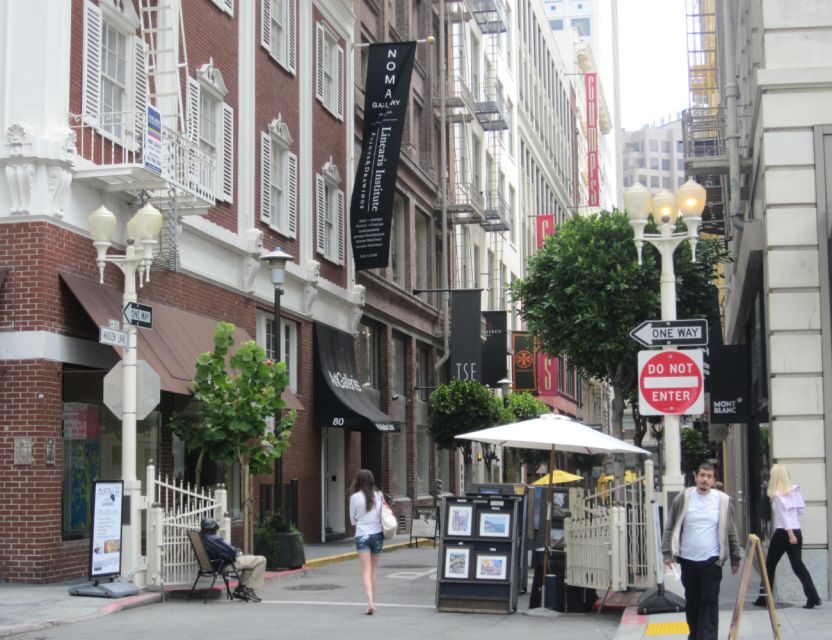
- Poisoned chocolate and a headless ghost: creepy stories anchored to actual places
- Ford’s Saint Francis Hotel shooting attempt: a high-stakes moment in SF lore
- LGBTQ riot and the Transgender District: why these incidents still matter
- Zodiac Killer letters to the San Francisco Chronicle: the case told through communications
- Night Stalker footsteps: serial-crime energy, handled with restraint
- Old Press Club and a disembodied head: local legend with crime-world connections
Starting at Lotta’s Fountain: finding your Junket guide and setting the tone
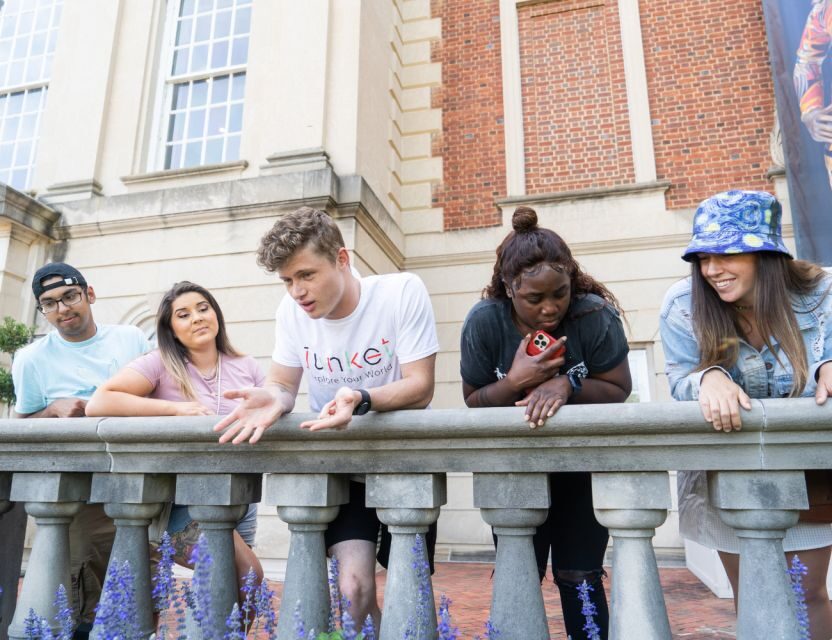
Your tour begins at Lotta’s Fountain at Market St and Kearney St. Plan to arrive 15 minutes early so you’re not sprinting at the last second while strangers are gathering. Your guide will wear a Junket t-shirt and carry a flag, so you can spot them fast and get lined up.
This is a walking tour, not a museum session, so the first few minutes set the feel. Expect a guide who can talk clearly for a small group, keep the pace moving, and connect each story to the block you’re standing on. It’s also rain-or-shine, which is a big deal in San Francisco. You’ll want your weather gear ready from the start, not after you’ve already covered half the route.
One practical note: video recording is not allowed. That means you’ll be relying on your ears and your memory—good for attention, but bring a notebook if you like capturing names and dates.
You can also read our reviews of more walking tours in San Francisco


How the vintage murder-mystery format makes SF crimes make sense
The title says vintage murder mystery, but the real payoff is that the stories aren’t just spooky. They’re presented as crime in context—how it affected people, how it played out in the city, and how it reshaped public conversation.
Here’s what I like about this approach: it frames scary events as evidence and pattern, not as pure horror-movie theatrics. You’ll hear about notorious figures and specific incidents, but the guide keeps steering you back to what the case revealed—because crime, in a city like San Francisco, also tells you about politics, media, civil rights, and fear.
You also get an explicit promise: well-researched and credible history. That matters for serious cases like the Zodiac and the Night Stalker, where rumors can spread faster than facts. A strong guide helps you separate what’s known from what’s legend, so you can enjoy the story without losing your footing.
Poisoned chocolate and a headless ghost: the spooky-true blend you’ll walk through
San Francisco has always traded in odd stories—ghosts, hauntings, and strange events—but this tour uses those oddities to point at real crimes and real social currents.
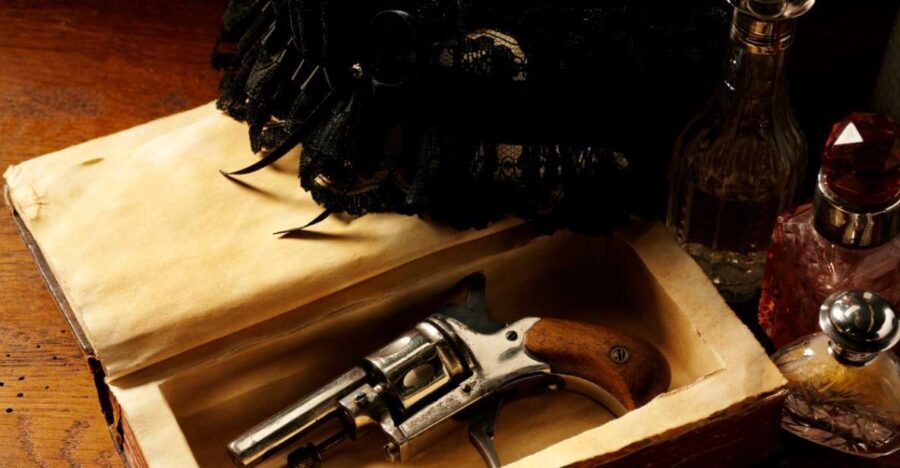
You’ll hear tales of poisoned chocolate, which sounds like campfire folklore until you realize how it fits into a larger pattern of mystery, motive, and public panic. You’ll also get the story of a headless ghost, and the guide links the eerie angle to a specific crime-world association tied to the Old Press Club later on. That structure helps the stops feel connected, not random.
There’s also mention of a heart-throb killer. Even if you don’t already know the name behind that vibe, you’ll get the sense of how charm and fear can overlap—how a killer can become a headline, and how the public responds. It’s the kind of storytelling that makes the past feel close, because you can recognize the media dynamics immediately.
The main benefit here is pacing: you get a handful of punchy, unsettling stories early on, then you steadily shift into cases with broader civic impact.
From the Saint Francis Hotel to Gerald Ford’s near miss
One of the most striking highlights is learning about the day President Gerald Ford escaped being shot at the Saint Francis Hotel. The tour treats this like more than a trivia stop. It’s a reminder that SF can be a stage for national events, not just local legends.
What I’d take from this stop is how the guide connects a single incident to the bigger feeling of the time—security, celebrity, and how public life intersects with danger. When you stand in the city where the event happened, it hits differently than reading it online or in a textbook.
It also helps the tour balance its tone. Not every stop is about a serial case or a rumor. This one is about a moment where the consequences could have been enormous, and SF’s landscape becomes part of the narrative.
The LGBTQ riot and the Transgender District: why these stories still matter
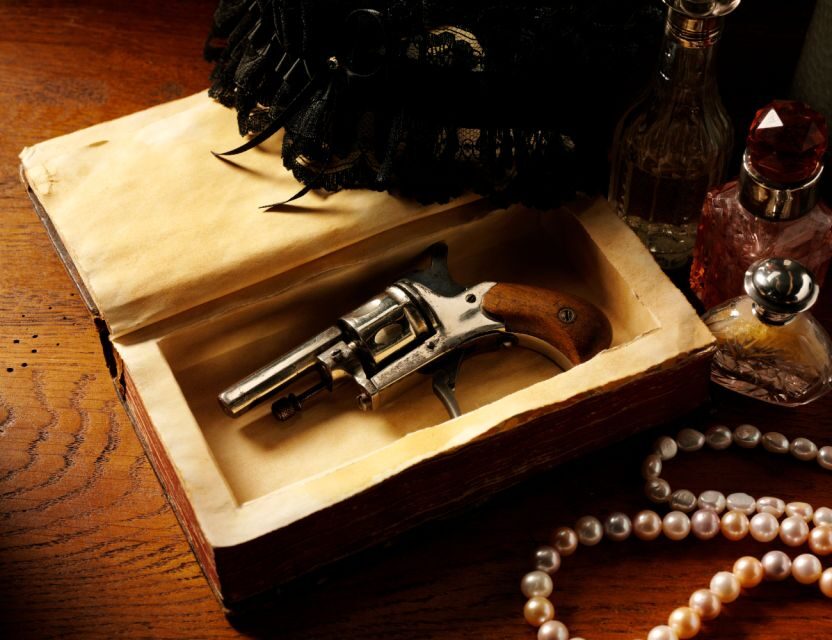
This tour doesn’t treat LGBTQ history as a side note. It puts it front and center.
You’ll travel back to the LGBTQ riot that launched a national conversation, and you’ll also explore the Transgender District, learning about police brutality that motivated a nationwide movement. Those are heavy topics, and the value of a guided walk is that you get structure: why it happened, why the response changed the country’s thinking, and why the places you’re seeing still carry meaning.
Even if you’re already aware of these movements, you’ll likely appreciate the street-level framing. The guide turns civil rights history into something you can locate—blocks, neighborhoods, and the idea that public space holds memory.
A balanced caution: some stops may feel emotionally intense. This isn’t just a casual “creepy stories” walk. If you prefer light, entertainment-only content, you might find this section heavier than you expected. If you want crime stories that also show social impact, it’s one of the strongest parts.
You can also read our reviews of more guided tours in San Francisco




Night Stalker footsteps: following patterns, not just names

Then the tour shifts into one of the darkest modes of true crime storytelling: following the footsteps of the Night Stalker.
This kind of case tends to raise a specific question for everyone: how did authorities understand the pattern, and how did the public live through the fear while they waited for answers? A good guide keeps that front and center without sensationalizing suffering.
I like that the tour positions this as part of San Francisco’s crime story, not as a standalone season of horror. When you’re walking and hearing the story out loud, you can feel how the city’s layout and public attention shape the way people experience fear.
And because this is a walking tour with a seasoned local guide, the route helps you imagine the geography of the case—how neighborhoods connect, how people move, and why a threat becomes a city-wide event.
Night-biting letters: the Zodiac Killer and the San Francisco Chronicle
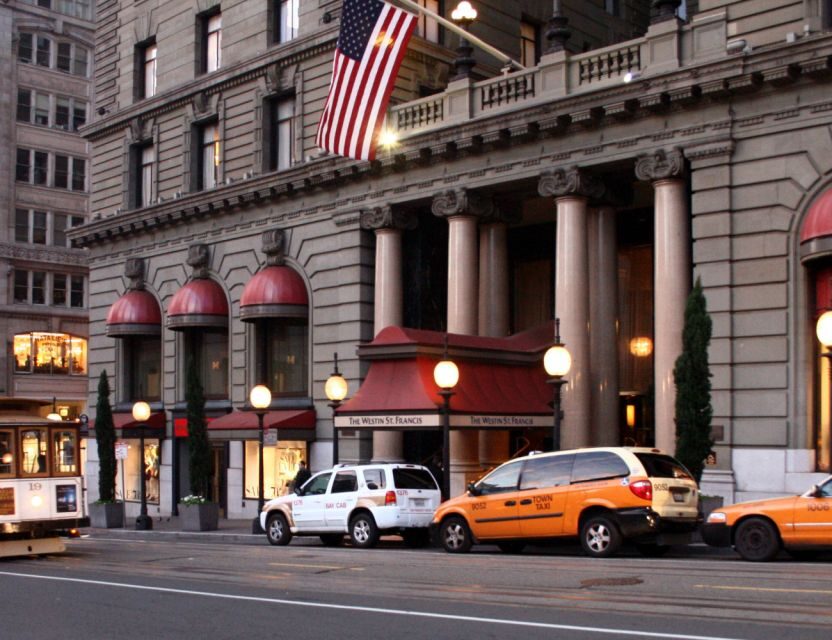
If you’ve heard anything about the Zodiac Killer, you probably know the case included letters. This tour brings in a key detail: the Zodiac Killer sent dozens of letters to the San Francisco Chronicle.
That’s huge because it puts the media front and center. You’re not just learning about attacks—you’re learning how the fear spread through print, how messages became headlines, and how the public tried to decode intent.
When the guide talks through those letters while you’re in the city, it becomes more than plot points. It turns into a lesson about how modern communication shapes crime history: the threat isn’t only in what happens, it’s also in what gets published and remembered.
It also works as a contrast with other cases on the route. The tour moves from personal crimes and local incidents to a case designed to engage the public through a media channel. That shift makes the tour feel intellectually satisfying, not just spooky.
Old Press Club and the disembodied head: folklore with crime-world context
One of the most memorable “why that place?” stories is the Old Press Club and its association with a disembodied head. Even if you’re skeptical about ghostly details, you’ll see how the guide links it to crime-era lore and local storytelling traditions.
This stop is valuable because it gives you something San Francisco is famous for: the layering of history. The city doesn’t just have documented events; it also has a living network of rumors, legends, and cultural memory. A guided tour helps you sort what’s known from what’s legend—and it makes that sorting process feel part of the fun.
If you like tours that balance chills with facts, this is one of the best places to lean in. The disembodied head is the hook, but the deeper draw is how the guide explains why certain buildings become charged over time.
Comfort, pace, and street-sense tips for this 2-hour walk
This tour is listed as about a 2-hour walking experience. That’s a sweet spot: long enough to connect several major stories, short enough that you don’t feel like you’re signing up for an all-day endurance test.
Still, the guidance is clear: it’s not recommended if you can’t walk more than a mile. And it’s not suitable for people with mobility impairments. So treat those warnings seriously. Comfortable shoes matter more than you’d think, especially in the rain.
Bring:
- Comfortable shoes
- Weather-appropriate clothing
Also note the rules:
- No smoking
- No alcohol or drugs
- No video recording
The no-video rule can be surprisingly helpful. It keeps the group engaged and reduces that awkward moment when someone is trying to record while a guide is talking. Just be ready to focus—this is an audio experience as much as a visual one.
If you’re someone who hates being cold mid-walk, dress like you’ll be outside the entire time. San Francisco weather changes fast, and the tour runs rain or shine.
Value for money: what a guided, well-researched route actually gives you
When you book a guided tour like this, you’re paying for more than movement on a map. You’re paying for organization: a guide who can take messy crime stories and put them into a clear, chronological, and credible flow.
That’s especially important here because the tour covers a wide range of topics: from poisoned chocolate and supernatural-style tales to major political and social history, plus big-name true crime cases like the Zodiac Killer and Night Stalker.
What makes it good value for your time is the variety with a purpose. You’re not bouncing around randomly. Each story connects to San Francisco’s identity—how the city dealt with fear, media pressure, civil rights battles, and the public’s need to make sense of danger.
If you’re comparing this to doing crime-themed attractions solo, a guide gives you:
- clearer context (what mattered and why)
- smoother transitions between cases
- street-level grounding, so places feel real
And if you’re worried about it being too dark, remember the structure includes a range of stories, not just one type of horror. It’s still chilling, but it’s built to educate as much as it scares.
Who this San Francisco crime walk suits best (and who should skip it)
You’ll probably love this tour if you:
- enjoy true crime and want the stories tied to real locations
- like neighborhood history with an emphasis on how incidents changed public life
- want a guided experience instead of reading a list of facts on your own
You might want to skip or choose a different option if you:
- can’t comfortably walk close to a mile
- need an experience with minimal emotional intensity
- strongly dislike weather-based plans, since it runs rain or shine
Also keep in mind that this is not framed as a light haunted walk. Yes, there are ghostly elements like a headless ghost, but the tour is rooted in real incidents and their impact.
Should you book this tour?
Book it if you want San Francisco through the lens of crime, media, and social change—told in a way that stays organized and credible. The big win is variety with meaning: Zodiac letters to the San Francisco Chronicle, the Night Stalker trail, a Ford assassination attempt at the Saint Francis Hotel, and LGBTQ history tied to the Transgender District.
Skip it if walking is an issue for you, or if you want mostly entertainment with minimal heavy content. With the rain-or-shine rule and the “no video” focus, it’s best for people who show up ready to listen, look up, and keep moving.
If you want the city to feel sharper and stranger in a way that also teaches you something, this is a strong choice.
FAQ
Where do I meet the tour guide?
Meet your tour guide at Lotta’s Fountain at Market St and Kearney St. The guide will wear a Junket t-shirt and carry a flag for easy identification.
How long is the tour?
The tour lasts 2 hours.
What should I bring?
Bring comfortable shoes and weather-appropriate clothing.
What is the weather like for the tour?
The tour runs rain or shine.
Is transportation included?
No. Transportation is not included.
Is the tour suitable if I have mobility limitations?
No. It is not suitable for people with mobility impairments, and it’s not recommended if you cannot walk more than a mile.
Are video recording, alcohol, or smoking allowed?
No video recording is allowed, and smoking, alcohol, and drugs are not allowed.