REVIEW · SAN FRANCISCO
San Francisco: Neighborhood Walking Tour – 6 Route Options
Book on GetYourGuide →Operated by Roam Local · Bookable on GetYourGuide
San Francisco feels best on foot, where details jump out. This neighborhood walking tour connects you with six different parts of the city through the eyes of a local historian, from Castro murals to Golden Gate Park’s windmill and viewpoints. I especially like the small group size (up to 8) and the way the route choices let you target what you actually want to see. One thing to plan for: the tour can be canceled due to weather, so pack backup flexibility.
You’ll walk for about 3 to 3.5 hours, usually in the morning or afternoon, with bottled water and guided snack stops where food is available for purchase. The guide focus is practical and human, not just dates-on-a-placard. You should wear comfortable shoes and expect a steady walking pace.
In This Review
- Key things to know before you go
- San Francisco on foot: choosing the right route in 3.5 hours
- Price and value: what $65 buys (and what it doesn’t)
- Meet your local historian guide and why that matters
- The Castro District–Mission Loop: Victorian streets, murals, and Mission flavor
- Chinatown–North Beach–Russian Hill: temples, cable car power, and Beat-era streets
- Cow Hollow: steps, street scenes, and a surprising film connection
- The Four Peaks: view points, hidden gardens, and stair-heavy SF
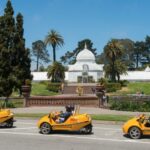
- Golden Gate Park: windmill, memorial grove, lake walks, and Ocean Beach
- Telegraph Hill and the Old Waterfront: market energy, Coit Tower, and blue-jeans lore
- What to bring, how to pace yourself, and who should go
- Should you book this neighborhood walking tour?
- FAQ
- How long is the San Francisco neighborhood walking tour?
- How many route options are available?
- What is included in the price?
- Is food included?
- Where do I meet the guide?
- Is the tour suitable for children or mobility needs?
Key things to know before you go
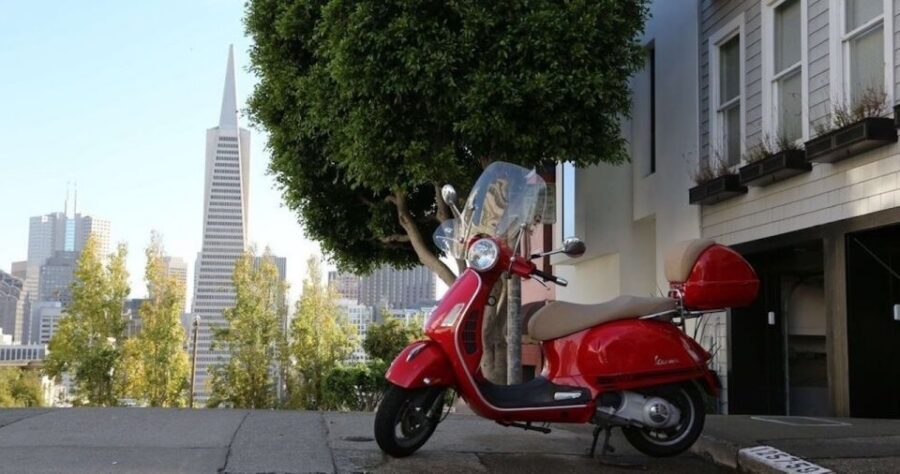
- Six routes, pick your SF mood: Castro–Mission, Chinatown–North Beach–Russian Hill, Cow Hollow, Four Peaks, Golden Gate Park, Telegraph Hill–Old Waterfront
- Local historian guide included: you’re learning how the neighborhoods work, not just what to photograph
- Small-group pacing (max 8): easier conversation, less rushing, more time for questions
- Snack stops are for purchase: bottled water is included, meals are on you
- Not for mobility needs / kids under 10: it’s a walking-heavy experience
San Francisco on foot: choosing the right route in 3.5 hours
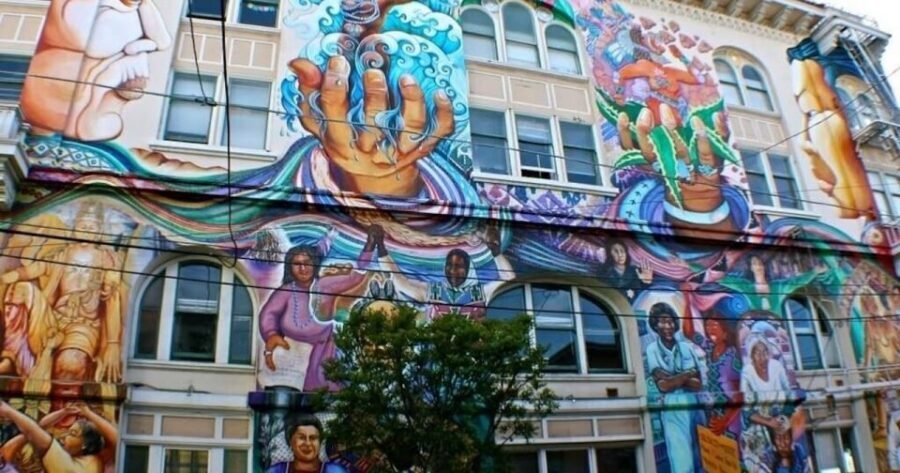
The big win here is choice. You’re not locked into one “greatest hits” loop. Instead, you choose a route that matches your interests, and the guide keeps it coherent so you don’t feel like you’re just hopping streets at random.
If you want people-watching and storytelling about identity and community, the Castro District–Mission Loop is a strong pick. If you’re after old-world streets, cable car energy, and Chinatown-linked sights, go for Chinatown–North Beach–Russian Hill. For a more film-and-design-tinged walk, Cow Hollow adds architecture and recognizable landmarks like the Lucasfilm campus and the Palace of Fine Arts.
For dramatic views (and lots of stairs and lookouts), The Four Peaks route is built around Mount Olympus, Tank Hill, Corona Heights, and Kite Hill. If you want “SF scenery” plus variety, Golden Gate Park covers everything from the de Young Museum observation tower to Ocean Beach. And if you like the waterfront vibe—markets, hills, and iconic structures—pick Telegraph Hill & the Old Waterfront with stops like the Ferry Building Marketplace and Coit Tower.
My practical advice: choose the route where the signature stops sound like your kind of photos. You’ll enjoy the walk more when you’re excited before you even start.
You can also read our reviews of more walking tours in San Francisco


Price and value: what $65 buys (and what it doesn’t)
At $65 per person for roughly 3 to 3.5 hours, the value is in three things: the local historian guide, the walking structure that makes the neighborhoods make sense, and the small-group limit (up to 8).
What you get:
- A walking tour led by a local historian
- Bottled water
- Snack stops at favorite spots (food is optional and for purchase)
What you don’t get:
- Hotel pickup/drop-off
- Food and drinks are available for purchase
Here’s how I think about it: in San Francisco, a guide can save you time and confusion. You avoid wandering aimlessly and you get context that helps you notice what matters—like why certain streets feel the way they do, or how a landmark fits the neighborhood story. If you plan to spend money anyway on coffee, snacks, or a meal, this tour doesn’t feel like a hard sell. You’re paying for direction and interpretation first, and optional food second.
Meet your local historian guide and why that matters
The difference between a self-guided wander and a guided neighborhood walk is how fast you “click” with a place. That’s where the local historian angle helps. I liked how guides in this format keep the facts human: they connect streets and buildings to the people who shaped them.
In one of the route experiences, a guide named Ryan was highlighted for being engaging and for bringing strong knowledge of Chinatown and Russian Hill. Another guide experience emphasized deep familiarity with the Castro and nearby Victorian streets, plus murals and local shops. In both cases, the common theme was the tour moving quickly but not randomly—stories tied directly to what you’re looking at right now.
For you, that means less time decoding signs and more time learning what to look for as you walk: architectural cues, cultural landmarks, and view points that are easy to miss on your own.
The Castro District–Mission Loop: Victorian streets, murals, and Mission flavor
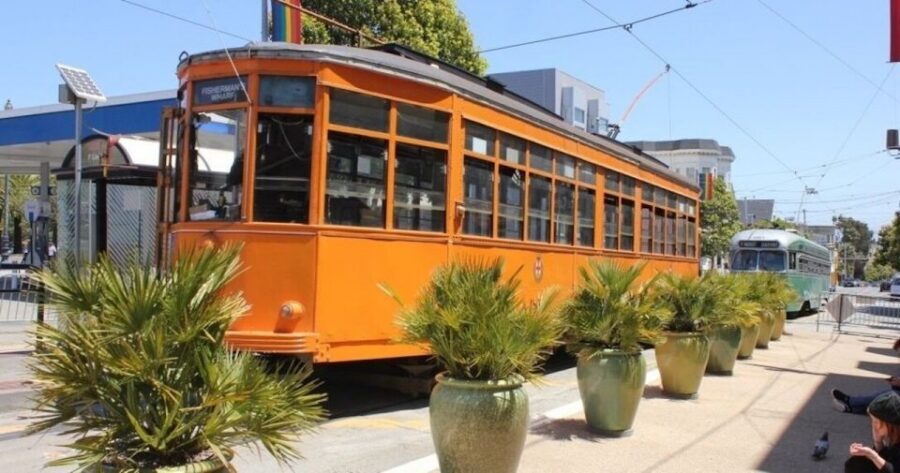
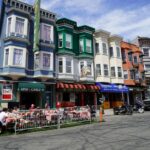
This route is for you if you want neighborhoods with personality and strong community identity. It pairs the Castro’s LGBTQ+ culture and history with the Mission District’s nightlife and Latin flair, so you get both the story and the energy.
Expect a mix of:
- Castro murals and cultural landmarks, where you’ll see the neighborhood’s visual voice
- Victorian architecture that shapes the street look and feel
- A stop at Mission Dolores, noted as the oldest surviving building
- Time in areas known for cookie shops and taquerias
The Castro part is about more than color on walls. The guide focus helps you understand why these symbols and spaces matter locally, not just as Instagram backdrops. And Mission Dolores gives you a historical anchor point that makes the rest of the walk feel less like wandering and more like a timeline you can feel under your feet.
One practical note: Mission neighborhoods can be lively. If you’re sensitive to crowds or you prefer quieter pacing, you may want to choose another route. But if you like city atmosphere, this one tends to land well.
Chinatown–North Beach–Russian Hill: temples, cable car power, and Beat-era streets

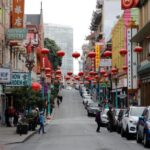
If your ideal SF morning includes bookstores, hill views, and a walk that feels like multiple movies in one, this route fits. You’ll see the first Chinese temple in the U.S., plus several classic neighborhood links that connect Chinatown to the North Beach / Russian Hill world.
Key stops and highlights include:
- The first Chinese temple in America
- Cable Car Powerhouse (a natural photo stop)
- Russian Hill panoramas
- Macondray Lane
- A Beatnik mecca atmosphere
- The Fortune Cookie Factory
- A favorite pizza shop
You’re not just ticking off landmarks. The tour’s structure helps you understand how these neighborhoods relate: Chinatown’s identity, North Beach’s arts energy, and Russian Hill’s dramatic streets and views. The panoramas matter here because Russian Hill’s character is visual. When the guide points you toward what to look for, you get the payoff fast.
One consideration: this route can be a lot of “things to see” in a short window. If you like slow, long photo breaks, you might feel a tiny bit rushed. Still, small-group size helps you ask questions and keep your pace.

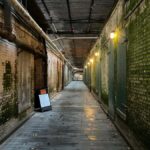

Cow Hollow: steps, street scenes, and a surprising film connection

Cow Hollow is where SF feels classy and cinematic at the same time. This route leans into recognizable streets and design-forward sights, and it includes a very SF twist: the Matrix Club, tied to Jefferson Airplane’s Marty Balin.
Highlights you’ll get:
- The Matrix Club (founded by Marty Balin)
- Union Street
- The Lyon Street Steps
- Lucasfilm Campus
- Palace of Fine Arts
This is a great choice if you want architecture and street texture without the big “museum day” vibe. The Palace of Fine Arts is a natural centerpiece for photos, and the Lyon Street Steps give you that classic SF stairway experience—small effort, big payoff.
The Lucasfilm mention matters because it adds a pop-culture layer to a neighborhood that can otherwise feel just “pretty.” You’ll likely find it easier to picture the city as a working creative hub, not only a tourist stage.
The Four Peaks: view points, hidden gardens, and stair-heavy SF
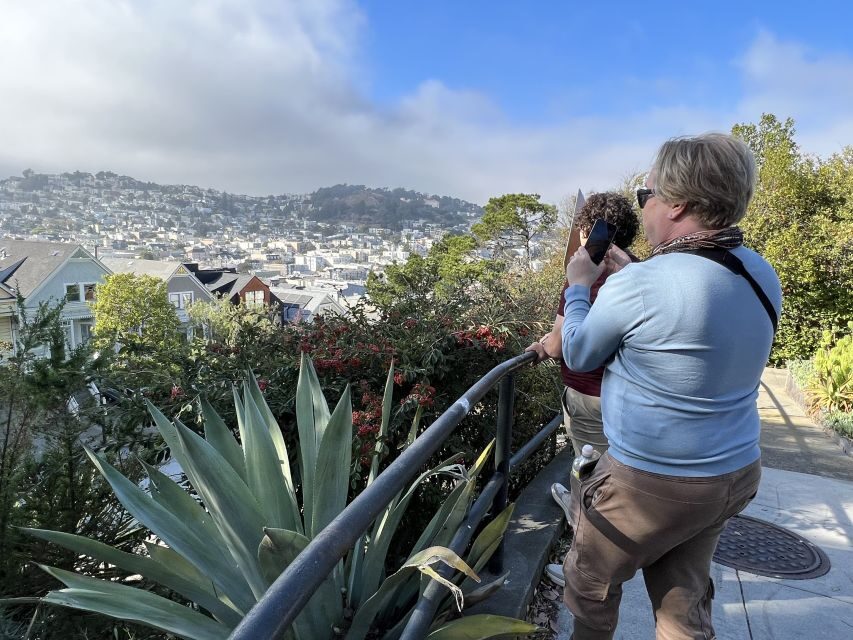
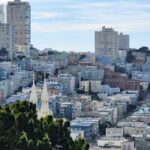
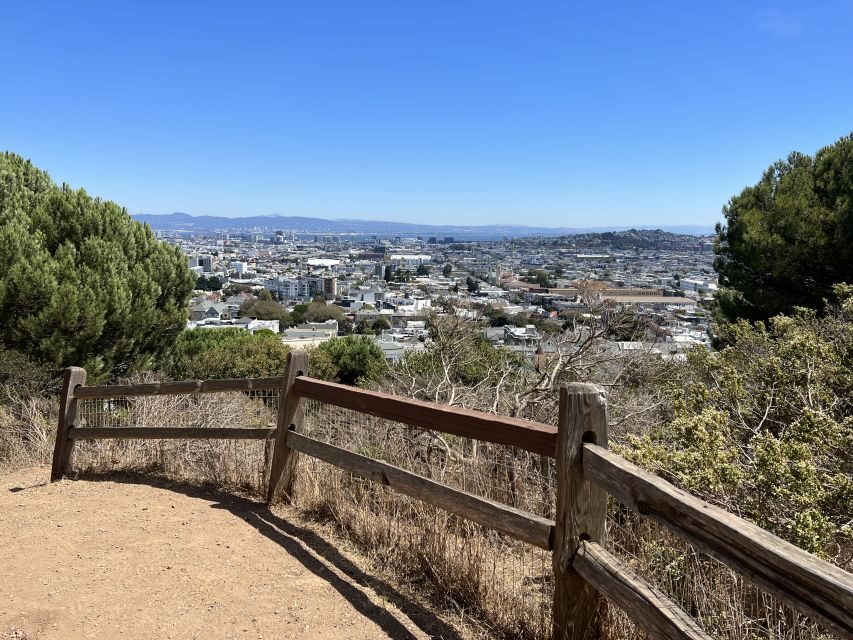
Want that sharp “wow” feeling from multiple angles? The Four Peaks route is built around four hilltop areas: Mount Olympus, Tank Hill, Corona Heights, and Kite Hill. It’s also full of the kind of off-the-map details that make SF feel engineered for views.
Expect:
- Four of the best vistas in San Francisco
- “Hidden gardens, staircases, and slides” along the way
- Randall Museum with free entry
- A stop at Hot Cookie!
This route is a strong pick if your main goal is scenery and you don’t mind climbing. Hilltop hopping means you’ll likely earn those views with a steady walking rhythm. The upside: each peak offers a different perspective, so the tour doesn’t feel repetitive.
If you get winded easily or you prefer flatter streets, this might be the wrong choice for your day. But if you’re up for stairs and payoff, this is one of the most “SF is SF” options on the list.
Golden Gate Park: windmill, memorial grove, lake walks, and Ocean Beach
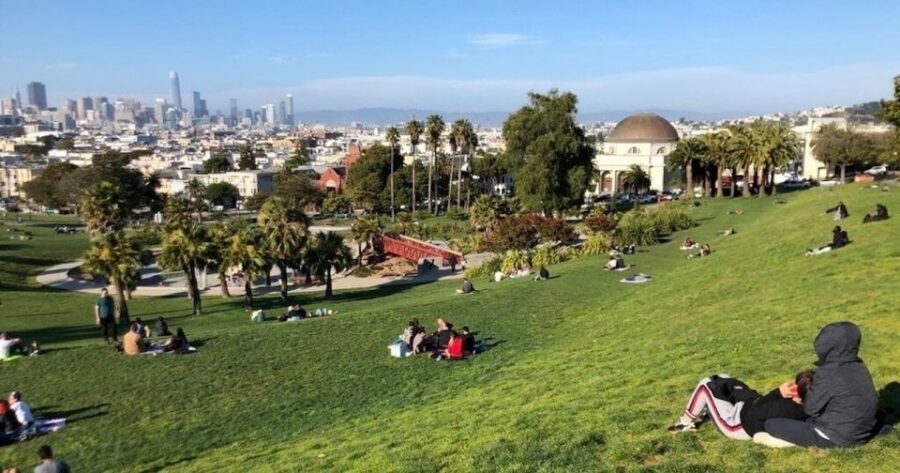
This is the route for you if you want one guided walk that covers multiple sides of SF—from formal cultural stops to open-air scenery and the ocean edge. It’s also good if you like structure: you know you’ll hit a major set of landmarks rather than relying on luck.
Stops and highlights include:
- de Young Museum observation tower
- National AIDS Memorial Grove
- Stow Lake
- The Bison Paddock
- The enormous Dutch Windmill
- Ocean Beach
What I like about this lineup is the balance. You’re not just doing “pretty park views.” The memorial grove adds weight and meaning, the lake gives you calm contrast, the bison paddock adds a nature moment, and Ocean Beach finishes with salt-air energy.
One practical thing: Golden Gate Park is big. The tour’s guided route helps you avoid that classic problem of walking “near” the highlights and still not seeing them. You’ll get a clear path, and the time window makes it feel manageable rather than endless.
Telegraph Hill and the Old Waterfront: market energy, Coit Tower, and blue-jeans lore
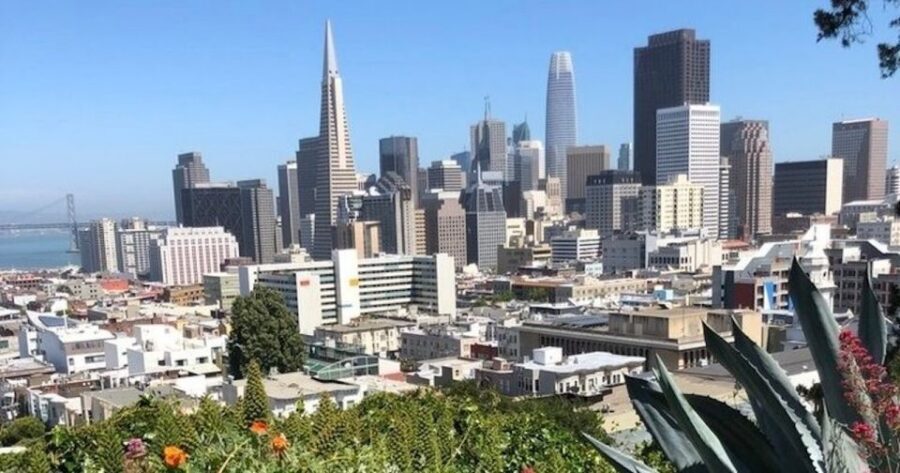
If you like SF’s waterfront + hill character, this route makes a lot of sense. It’s designed around iconic downtown-adjacent landmarks and small details that give the area personality.
Highlights include:
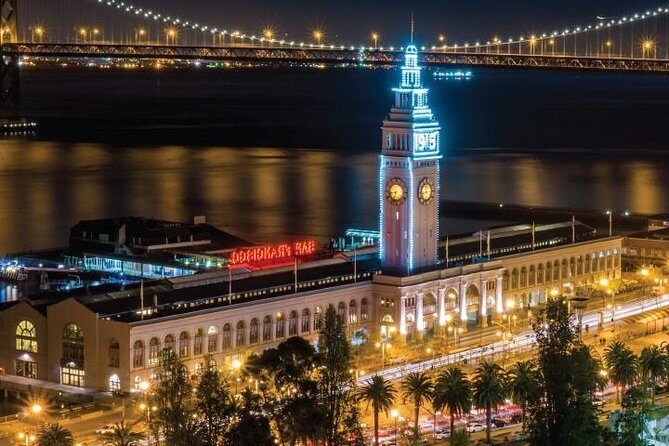
- Ferry Building Marketplace
- A local tour of secret gardens
- Historic Coit Tower
- Levi Plaza, described as the birthplace of Blue Jeans
This is a great fit for you if you want a walk that ends with iconic SF images and a sense of place tied to specific landmarks. The Ferry Building stop is where the vibe tends to click for many people: food, movement, and that harbor-adjacent feeling. Coit Tower and Levi Plaza give you the “SF story” angle, not just the scenic angle.
If you’re someone who likes to understand how neighborhoods connect to industry and everyday life, this route likely feels satisfying.
What to bring, how to pace yourself, and who should go
This tour runs 3 to 3.5 hours, and it’s a walking experience with small-group attention. Plan for:
- Comfortable shoes
- Water (bottled water is included, but you’ll still want to manage it)
- Snacks if you need them—though snack stops are there and purchases are optional
- Comfortable clothes (SF weather can change quickly)
A few “choose wisely” notes based on what’s explicitly stated:
- Not suitable for children under 10
- Not suitable for people with mobility impairments
Also, SF weather matters. This tour may be canceled depending on weather conditions, so if you’re traveling with tight timing, build in some flexibility.
If you’re the type who likes to talk, ask questions, and learn what you’re seeing as you walk, this tour style is a good match. If you want a private, long, slow stroll with no group dynamics, you might prefer something more independent.
Should you book this neighborhood walking tour?
I think you should book if you want an efficient way to experience San Francisco neighborhoods with context—without spending your whole day researching or wandering in confusion. The local historian guide, the small group (up to 8), and the option to choose among six routes are the real advantages. For $65, you’re paying for direction and storytelling, plus included bottled water, while keeping flexibility through snack stops where you choose what to buy.
Skip it if you can’t handle a walking-heavy format, need mobility assistance, or you’re traveling with children under 10. Also, if your schedule is extremely inflexible and you can’t absorb a possible weather cancellation, consider whether you have a backup window.
FAQ
How long is the San Francisco neighborhood walking tour?
The tour lasts about 3 to 3.5 hours.
How many route options are available?
There are six route options: The Castro District–Mission Loop; Chinatown–North Beach–Russian Hill; Cow Hollow; The Four Peaks; Golden Gate Park; and Telegraph Hill & The Old Waterfront.
What is included in the price?
The price includes a local historian guide, a walking tour, and bottled water. There are also snack stops at favorite spots where food can be purchased.
Is food included?
Food and drinks are not included. You can purchase food and drinks at the snack stops during the tour.
Where do I meet the guide?
The meeting point may vary depending on which route option you book.
Is the tour suitable for children or mobility needs?
It is not suitable for children under 10 and not suitable for people with mobility impairments.