Golden Gate Park feels bigger with a plan. In about 90 minutes, you get a thoughtful sweep that balances reflection, art, and color, starting at the AIDS Memorial Grove and finishing near the de Young Museum. I really like how the tour gives time to slow down where it matters, and I also like the clever mix of museum culture, conservatory gardens, and pop-history at the meadow. One consideration: the pacing is meant to cover a lot, so if you want long museum wandering, you may wish you had more hours on your own.
This is set up as a small-group park walk (up to 30 people), with a relaxing rhythm instead of a race. You’ll be moving, yes, but you’re not just herded from point to point, and there’s room for photos and quick questions.
Your guide is John Shrable, an in-person English host who leads with a story-and-science lens (he’s a meteorologist), plus practical help like water and sun protection. Also, the tour starts at 12:00 pm and ends at the de Young area, so you can grab a meal right after without a complicated transit shuffle.
In This Review
- Key points to know before you go
- A Golden Gate Park route that feels generous in 90 minutes
- National AIDS Memorial Grove: quiet shade under towering trees
- De Young Museum and Ruth Asawa: art, design, and a view from above
- Conservatory of Flowers grounds: seasonal color plus a pre-1906 story
- Robin Williams Meadow and Hippie Hill: Summer of Love to lasting legacy
- John Shrable’s guided style: science, stories, and answers you actually want
- Is it worth $25? What’s included and how to use it well
- Perfect matches: who this Golden Gate Park walk is for
- Should you book this tour?
- FAQ
- What is the tour duration?
- Where does the tour start?
- Where does the tour end?
- What time does the tour run?
- How much does it cost?
- Is the tour in English?
- What’s included in the price?
- Are there tickets or admission fees at the stops?
- How large is the group?
- Is free cancellation available?
Key points to know before you go
- 90 minutes, 4 major stops: enough time for meaning, art, flowers, and history without draining your day.
- Shaded start at the AIDS Memorial Grove: tall trees, quiet mood, and a free admission ticket for this specific stop.
- Art + engineering at de Young: a chance to look up from the observation tower and spot the work of local artist Ruth Asawa.
- Seasonal flower time at the Conservatory: outside garden grounds where colors change with the seasons and the promenade may include live music.
- Robin Williams Meadow as a portal to Hippie Hill: Summer of Love context tied to a lasting San Francisco legacy.
A Golden Gate Park route that feels generous in 90 minutes
Golden Gate Park is huge, and without a plan it’s easy to spend your time just crossing the park. This tour fixes that with a tight route that strings together four places people actually remember for different reasons: one for reflection, one for art and views, one for seasonal blooms and history, and one for pop-culture meaning tied to the park’s music legacy.
The stop timing is part of the magic. You spend about 30 minutes at the AIDS Memorial Grove, a substantial chunk that helps the moment land instead of feeling like a drive-by. Then you move into the de Young area for around 20 minutes, which is long enough for museum highlights and getting your bearings from above.
The remaining time flows through the Conservatory of Flowers grounds and then Robin Williams Meadow. Even if you’re not a “museum person,” you’ll still get variety: shaded walking, big tree atmosphere, art and architecture moments, then color in the gardens.
One more practical note: the tour starts at Flywheel Coffee Kiosk, 678-650 Stanyan St (12:00 pm), and it ends at the de Young Museum, inside Golden Gate Park. That end location matters because it puts you near food options and other park sights for afterward, with only about a 15-minute walk between start and finish.
You can also read our reviews of more historical tours in San Francisco



National AIDS Memorial Grove: quiet shade under towering trees
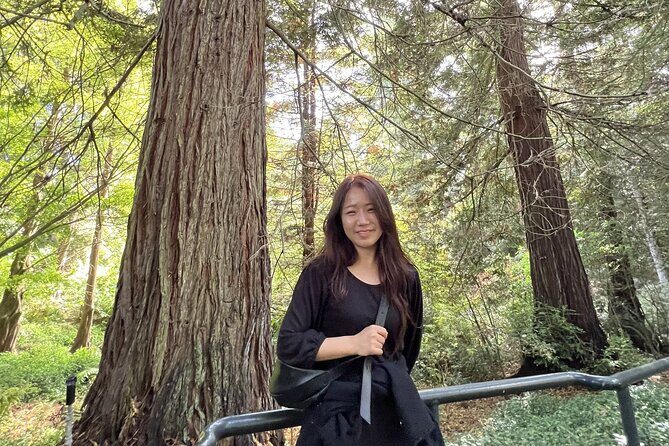
Your first stop is the National AIDS Memorial Grove, a place that feels calmer than you expect for such a central part of San Francisco’s park. The setting is specifically described as shaded under a grove of the world’s very tallest trees, and that matters because it turns the visit into a slow, grounded pause.
This is also the only congressionally designated AIDS Memorial in the United States. You don’t have to know every detail going in to feel why it’s special. The point here is respect and remembrance, with the added power of the natural setting. The grove preserves some of the park’s impressive redwood trees, so even if you’re mainly there for plants and shade, you’ll still get something lasting.
What you can do with your time: look up and let the scale hit you, then take a moment to absorb the quiet. If you’re photographing, this is one of those spaces where you’ll likely find the best images after you stop chasing “perfect angles” and instead capture the tree height and shaded atmosphere.
Possible drawback: this stop is peaceful, which means it’s not the best place to rush. If you’re the type who likes constant motion, you might feel “slower” than your usual style here. But honestly, that pace is the point.
De Young Museum and Ruth Asawa: art, design, and a view from above
Next you head to the de Young Museum area, where the tour leans into two big ideas: museum life as an experience, and the park as something you can see differently.
You’ll spend about 20 minutes here, and you’re not just looking at objects on walls. There’s a highlight involving a view of the park from above in the museum’s observation tower. Even if you’re familiar with Golden Gate Park, a tower view helps you understand spacing and direction. It’s a great way to “map” the park in your head so the rest of your day feels easier.
The stop also includes a moment to admire Ruth Asawa, one of San Francisco’s admired local artists. The tour doesn’t treat her as trivia. It positions the artist as part of the city’s creative identity, which is a nice shift from purely sightseeing-by-landmark.
How to get the most out of a shorter museum stop: move with intent. In 20 minutes, you’ll enjoy the experience more if you pick a couple of focal points (the view, then the Ruth Asawa moment, then maybe one more detail that catches your eye). You’re not meant to exhaust the museum. You’re meant to catch the spark and move on.
Consideration: if you’re a “stay in museums for hours” type, 20 minutes can feel brief. But if you want a guided sampler that connects art to place, this is a smart format.
Conservatory of Flowers grounds: seasonal color plus a pre-1906 story
The Conservatory of Flowers stop is where the tour adds a lighter, sensory tone. It’s always Spring at the Conservatory of Flowers, and the grounds are described as lit up in an ever-transforming assortment of colors and blooms that change with each season. That seasonal shifting is exactly what you want if you’re visiting when you can’t guarantee one specific flower show.
You’ll explore the gardens outside of the conservatory, and this is important because it’s less about standing in one indoor room and more about walking through color. The art-filled promenade often echoes with live music, so you get a social, human layer to the experience, even while you’re surrounded by plants.
There’s also historical context tied to the 1906 earthquake. The tour frames the conservatory gardens with history stretching back before the 1906 earthquake. You don’t need a timeline memorized to appreciate what that implies: the place isn’t just a pretty stop. It’s part of the park’s long continuity, including what endured and what changed.
What to do here: slow your pace and choose a direction rather than sprinting between spots. If you pause often, you’ll notice how the colors shift as you move. And if music is happening during your visit, it’s worth taking a moment just to hear how it blends with the garden atmosphere.
One caution: this stop is visually rewarding, so it’s easy to over-shoot your schedule by taking too many extra detours. Let your guide’s rhythm keep you on track, then if you want more, plan to return later on your own.
Robin Williams Meadow and Hippie Hill: Summer of Love to lasting legacy
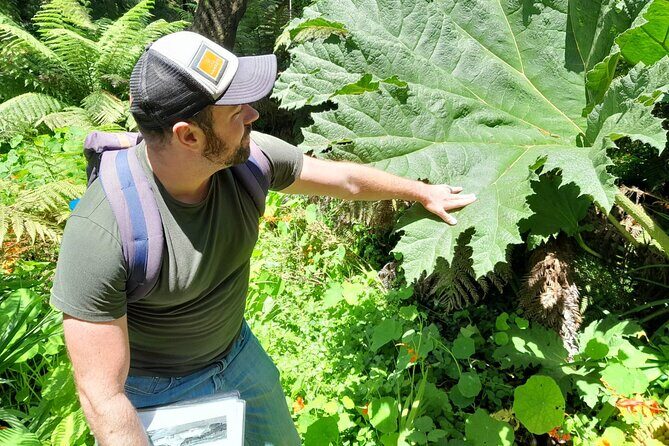
Robin Williams Meadow is where Golden Gate Park’s cultural memory comes through in a way that feels human and immediate. The tour frames it as one of the most fascinating corners of the park, connecting Summer of Love history at Hippie Hill to Robin Williams’ lasting legacy here in San Francisco.
You’ll learn about favorite hangout spots connected to big names, including Janis Joplin, who would play songs here on cool Summer days with thousands gathered around her. That kind of detail changes how you see the space. You stop thinking of it as “a grassy area” and start thinking of it as a stage that has held real crowds and real moments.
This is also a great stop for photos, partly because it’s open and partly because the atmosphere tends to feel relaxed. Even if the crowd energy isn’t the same as the stories, the meaning in the setting helps you imagine the past without trying too hard.
Possible drawback: if you’re not into pop-culture context, the stop might feel more like a storytelling interlude than a destination with lots of built-in attractions. But even then, it’s worth it as an understanding stop. It gives you a “why” for the park’s role in the city’s identity.





John Shrable’s guided style: science, stories, and answers you actually want

The guide can make or break a short tour, and this one has an advantage in its format and its lead. John Shrable is a meteorologist, which helps explain why the tour feels grounded in real-life details instead of just facts you’ll forget later. In a park like this, weather and light matter. Shade depth, temperature feel, and visibility all change quickly as you move. A meteorologist’s lens naturally fits the park’s microclimates.
You’ll also notice a common thread in how the tour gets praised: lots of facts, but not in a lecture way. It’s more like you ask something, and you get a real answer. There’s also a plant focus, since the tour spends meaningful time around big trees and garden areas.
For you, the practical benefit is simple. You’re not just touring. You’re learning how to look. That means you’ll leave with better instincts for what to notice on your own around Golden Gate Park, even after the tour ends.
Is it worth $25? What’s included and how to use it well
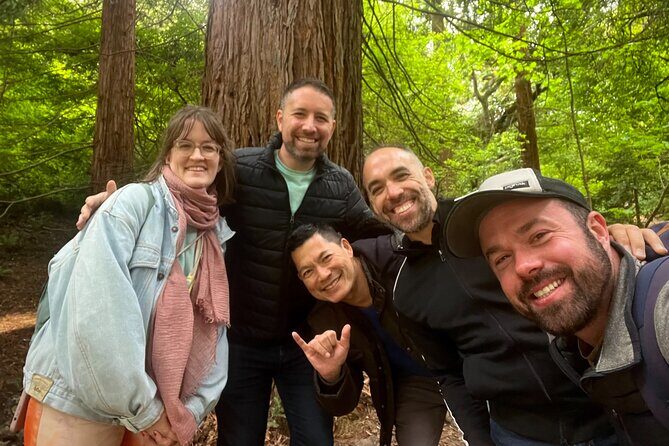
At $25 per person for about 1 hour 30 minutes, this is a value play if you want focused highlights with real guidance. The biggest reason: a lot of what you’re paying for is not just transportation across the park. It’s the selection of stops and the time allocation that makes each place feel more than a photo op.
Here’s what comes included:
- Bottled water
- Snacks
- Binoculars
- Sunscreen
- A guide: in-person English
That set of inclusions is practical. Water and snacks matter in a park walk. Sunscreen matters in a sunny city park. Binoculars are a nice bonus because they encourage you to actually look at tree canopies, details, and scene depth instead of only using your phone camera at ground level.
Also, specific stops are listed with free admission ticket for the National AIDS Memorial Grove and the de Young Museum stop you’ll do. Even with a short schedule, that helps keep the overall day’s cost predictable.
For you, the best way to get value is to arrive ready. Wear comfortable shoes and bring a camera. You can rely on sunscreen and water, but wearing sun-smart clothing still helps you enjoy the garden and meadow sections instead of feeling “sun-beat” midway.
Perfect matches: who this Golden Gate Park walk is for
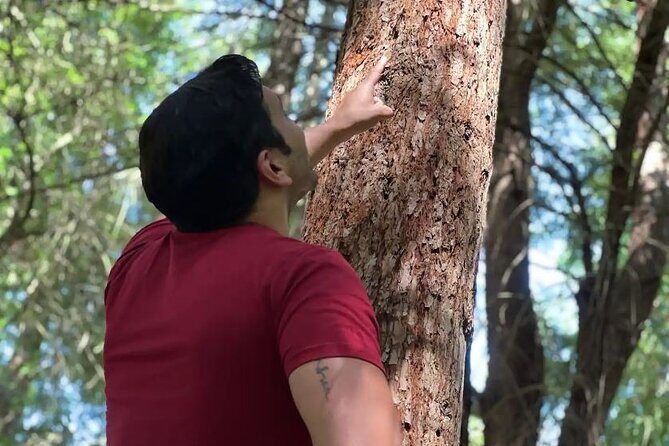
This tour fits best if you want a guided afternoon in Golden Gate Park that connects meaning with variety. It’s ideal for:
- First-timers who want a workable overview without doing a complicated self-planned route
- People who like history with emotional weight, not just dates and names
- Art and nature lovers who want both in one tight timeline
- Families and mixed-age groups looking for manageable stop durations
- Anyone who appreciates a calm pace with photo moments
It’s also a solid choice if you’re coming for just part of the day. Starting at 12:00 pm and ending at the de Young area puts the rest of your afternoon into your control.
Should you book this tour?
Yes, I’d book it if you want Golden Gate Park without the guesswork. The route hits four different kinds of value: a memorial that respects its setting, a museum experience with views and local art, garden time shaped by seasonal color and outdoor history, and a cultural stop that brings Hippie Hill and Janis Joplin context into the present.
Skip it only if you’re determined to spend long hours inside museums or if you hate structured timing. This is designed to move, learn, and then let you continue exploring on your own after.
If you’re curious but short on time, this is a smart way to see more of the park with better context, and to leave feeling like you actually understood what you saw.
FAQ
What is the tour duration?
It’s approximately 1 hour 30 minutes.
Where does the tour start?
The meeting point is Flywheel Coffee Kiosk, 678-650 Stanyan St, San Francisco, CA 94117.
Where does the tour end?
The tour ends at de Young Museum, 50 Hagiwara Tea Garden Dr, San Francisco, CA 94118, inside Golden Gate Park.
What time does the tour run?
The start time listed is 12:00 pm.
How much does it cost?
The price is $25.00 per person.
Is the tour in English?
Yes, the tour is offered in English.
What’s included in the price?
Included items are bottled water, snacks, binoculars, and sunscreen, plus an in-person English guide.
Are there tickets or admission fees at the stops?
The National AIDS Memorial Grove stop notes a free admission ticket, and the de Young Museum stop also notes a free admission ticket.
How large is the group?
The tour has a maximum of 30 travelers.
Is free cancellation available?
Yes. You can cancel up to 24 hours in advance for a full refund. Cancellation within 24 hours is not refunded.