REVIEW · SAN FRANCISCO
San Francisco Half-Day Tour by Cable Car & Foot
Book on Viator →Operated by Real San Francisco Tours · Bookable on Viator
San Francisco’s hills make every stop feel earned. This half-day route mixes iconic cable cars with guided walking through the city’s classic districts, so you get orientation plus stories you won’t find in a quick photo search. I especially like the small-group size (max 15) and the fact that you’re not just looking—you’re learning what you’re seeing. The one consideration: it’s still walking on steep streets and stairs, so you’ll want a moderate fitness level.
I like how the day is built around rides and viewpoints rather than a long list of random landmarks. You’ll get 2 cable car rides plus a historic streetcar journey when operations allow, and you’ll also have Metro travel covered. That matters because it keeps your time from getting chewed up by figuring out transit mid-day.
One more thing to know upfront: cable car and streetcar operations can change due to events or technical issues. In other words, the guide can’t always control the system, so go in with flexibility if you want the classic SF experience on the rails.
In This Review
- Key highlights at a glance
- Cable car rides that actually change how you see SF
- Getting oriented at the Ferry Building (and why that matters)
- Nob Hill mansions and the climb that tells a story
- Cable Car Museum and City Hall: history you can step into
- Hayes Valley for street art and a coffee break you can actually use
- The Castro: neighborhood history with Pride-week timing
- Mission Dolores Park for views, then Haight-Ashbury for the best timing
- Price and value: what $100 buys you in SF time
- Group size and pacing: when it feels personal, and when it might not
- What can go off-script: events, operations, and day-of-week changes
- Who should book this half-day cable car and foot route
- Should you book it?
- FAQ
- How long is the San Francisco Half-Day Tour by Cable Car & Foot?
- What time does the tour start, and where does it meet?
- Where does the tour end?
- What is the price, and what’s included for $100?
- How many cable car rides and streetcar rides are included?
- Are admission fees included at the stops?
- Does the tour always include visiting City Hall inside?
- Is the Cable Car Museum stop guaranteed?
- Is the tour suitable for children and for people with mobility issues?
- What about tipping, and can I cancel for a refund?
Key highlights at a glance
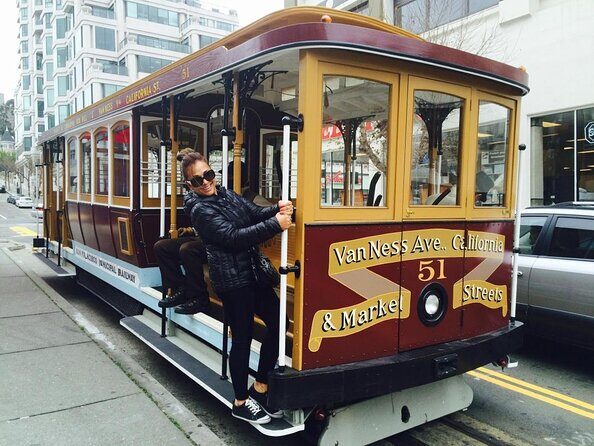
- Cable car time built into the itinerary, not tacked on at the end
- Small-group feel with guide-led pacing across multiple neighborhoods
- Multiple downtown “anchors” like the Ferry Building area and Nob Hill
- Cultural and community context in the Castro, including Pride-week timing
- Great mid-afternoon finish options around Haight-Ashbury for lunch
- Walking with hills and steps, so you’ll want comfortable shoes
Cable car rides that actually change how you see SF
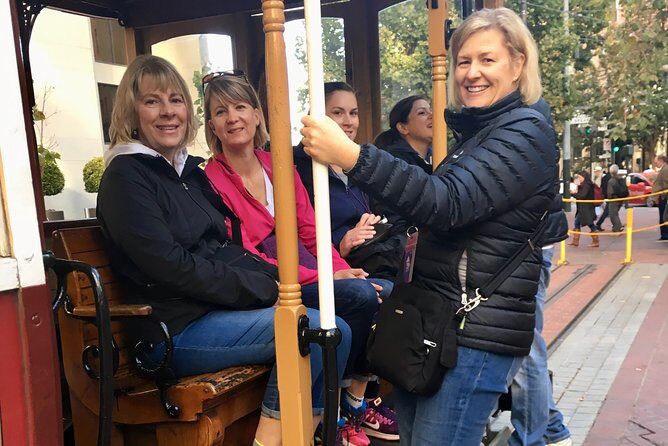
In San Francisco, cable cars are more than a ride. They’re part of how the city moves uphill and part of the reason the neighborhoods feel so distinct—downtown, then the climb to Nob Hill, then the long drop-and-rise rhythm as you travel across town.
This tour puts cable cars right into the heart of the experience. You start in the downtown core, ride up to Nob Hill, and later you hit the historic cable car angle again with the Cable Car Museum stop. If you’ve never used the system before, that combination helps you understand why certain streets look the way they do and why the city developed this unique transit style.
Practical tip: even if you’ve ridden a cable car somewhere else, SF’s system feels slower and more “worked-on” up close. Take a moment when you get on board to watch how people board, how the poles guide the car, and how the street feels in motion.
You can also read our reviews of more tours and experiences in San Francisco



Getting oriented at the Ferry Building (and why that matters)
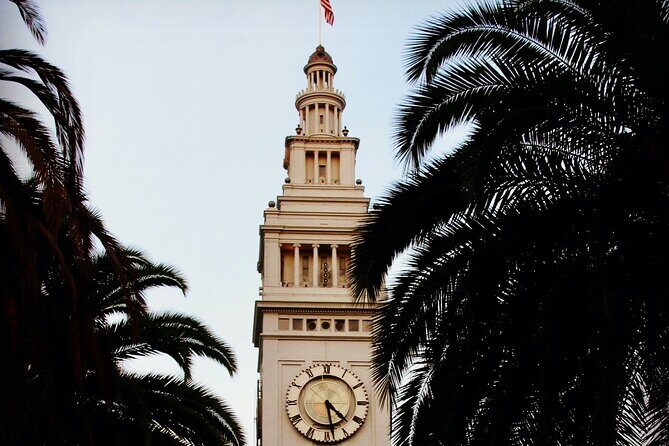
You begin at Market St & Drumm St, then your first stop is the Ferry Building Marketplace. This is a smart opener because it gives you a mental map of downtown San Francisco early. Your guide orients you with background on the Ferry Building and the downtown area, which makes every next stop easier to place.
The best part here is that the tour doesn’t treat Ferry Building like a museum stop. It uses the area as a starting point: where you are in the city, how the waterfront and downtown relate, and why some neighborhoods ended up where they did.
Also, this stop lists admission as free, so you aren’t spending your first segment figuring out tickets or entry rules.
Nob Hill mansions and the climb that tells a story
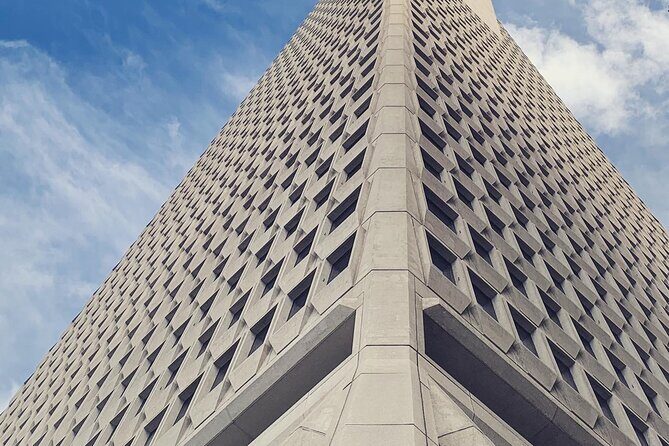
Next comes Nob Hill, reached by cable car. This is one of the most visual “payoffs” in the itinerary: you ride the steep hill and see the kind of grand residential architecture tied to San Francisco’s early wealth.
It’s not just pretty facades. Nob Hill helps you understand the city’s old power map—where money gathered, how families built their homes, and why the hill’s position made it feel like an elevated world of its own.
Timing note: the stop is short (about 20 minutes). So come ready to look, not wander. If you want more time for photography, you’ll likely need to do it after the tour, because the route moves on.
Cable Car Museum and City Hall: history you can step into
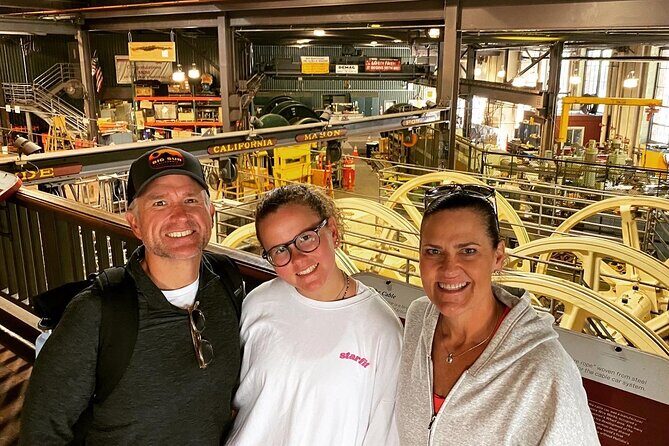
Two stops add depth in different ways.
The Cable Car Museum gives you the mechanics and history angle. The itinerary notes that this is usually visited on weekends. That’s important because if you’re traveling on a weekday, you might not get that museum moment the same way.
Then there’s San Francisco City Hall, where you can go inside on weekdays. That’s a big deal because City Hall is more than a landmark from the sidewalk. It’s where you learn about major events that took place there. Even if you don’t consider yourself a “history person,” seeing public buildings up close changes how you understand a city’s identity.
Practical consideration: City Hall and the Cable Car Museum can depend on day-of-week and operations. Build your expectations around the idea of learning and walking, not around a guarantee that every indoor stop is available on every date.
Hayes Valley for street art and a coffee break you can actually use

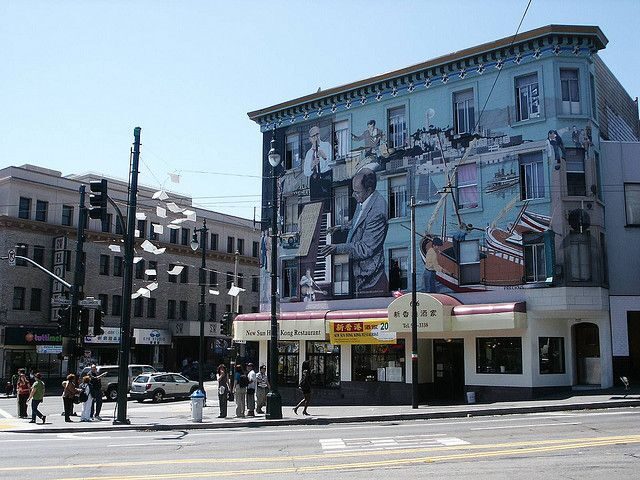
Hayes Valley is where the tour shifts from landmarks to neighborhood feel. You’ll see this area near Civic Center and get a sense of its street art and small coffee-shop culture.
This stop is short (about 20 minutes), but it’s useful for two reasons. First, it resets your eyes—less “iconic structure” and more “living neighborhood.” Second, it sets you up for an easy transition into the Castro, where the tour will focus more on community history.
If you’re the type who wants to plan lunch, Hayes Valley can also be a mental waypoint. Even if you don’t stop for food here, you’ll notice where people tend to gather and how the streets are laid out for foot traffic.





The Castro: neighborhood history with Pride-week timing
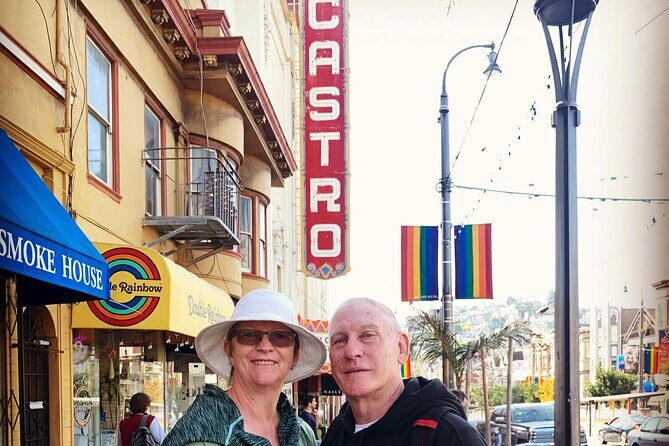
Then you head to the Castro, a historic neighborhood closely tied to the LGBTQ movement and often treated as a symbol of San Francisco’s global influence.
This is also where the tone of the guide can matter. One of the tour guide experiences reflected in the reviews notes that the route can include heavier Pride-week commentary because it’s a major event here, especially when the visit lines up with that week. Another feedback point praised the guide’s personal involvement as a positive—while others felt it was too much for them.
Here’s how I’d frame it for you: if you’re open to learning how Pride and local culture shape the city’s identity in real time, the Castro stop can feel meaningful and human, not just historical. If you prefer strictly political-neutral storytelling, you should know that timing can affect how the guide discusses the neighborhood.
Either way, plan to walk through with your eyes up—signage, street layout, and the mix of older character with newer life.
Mission Dolores Park for views, then Haight-Ashbury for the best timing
Mission Dolores Park is one of the route’s nicest “reset” moments. It’s described as one of SF’s lovelier parks, and the big payoff is the view of downtown. This is also a good location to slow down for a minute. Not every stop offers a skyline perspective, so take advantage of it.
Then the tour finishes in Haight-Ashbury, where you’ll be dropped off in the historic neighborhood. That end point is practical because it’s a strong lunch area. The itinerary also points out the neighborhood’s ongoing aesthetic link to the hippie and anti-Vietnam War movement that began in the 1960s—so you’re not just ending somewhere random. You end in a place that still carries its identity.
Stop length is about 20 minutes, so you won’t “tour Haight-Ashbury” end-to-end. But you’ll be in the right zone to continue on your own, grab food, and browse at your pace.
Price and value: what $100 buys you in SF time
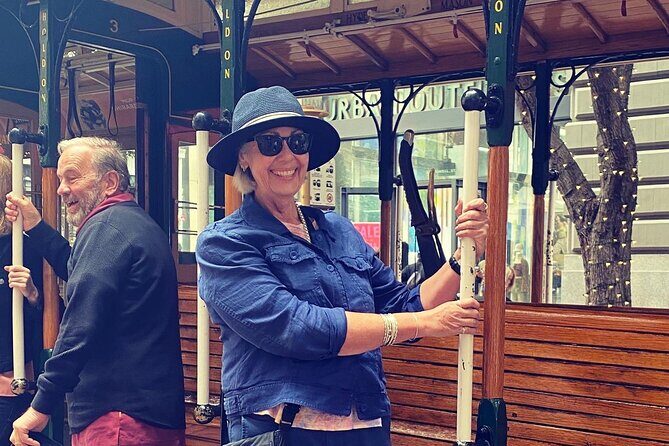
At $100 per person for about four hours, this tour isn’t trying to be a budget walking deal. It’s priced like an experience that bundles transit and guide-led time.
Here’s the value breakdown based on what’s included:
- Two cable car rides plus one historic streetcar journey when possible
- A tour guide with city highlights and history
- Metro travel included with a stated value of USD 20
- A small donation: USD 1 per guest to Climate Cents
In practical terms, you’re paying to avoid decision fatigue. In San Francisco, it’s easy to burn time figuring out which lines go where—especially with hills and transfers. This tour handles the routing so you can focus on viewing and learning.
The best value tends to hit first-timers or anyone short on time who wants a guided “best of” layout without doing heavy planning.
Group size and pacing: when it feels personal, and when it might not
The cap is 15 travelers, and that small-group size is a big part of why this tour can feel conversational. One of the tour experiences described in the reviews mentioned a nearly one-to-one feel when the group size was tiny—so the guide could tailor pacing and answers.
Even when it’s closer to full capacity, you should expect a reasonable flow: guided stops plus short walking segments between them.
One caution: the tour is described as climbing hills and including stairs, with moderate physical fitness required. It’s also not suitable for people with mobility issues. If you’re unsure, check what your own “comfortable walking” limit is. Four hours in SF hills can feel longer than it sounds.
What can go off-script: events, operations, and day-of-week changes
San Francisco is famous for disruption—sometimes charming, sometimes annoying. This tour explicitly notes that cable car and streetcar operations can be affected by events or technical issues beyond anyone’s control.
One real-world example from the experiences shared: during Fleet Week, cable car service was replaced with crowded public buses instead of the advertised cable car ride. That doesn’t mean the tour is bad—it means you should treat the cable car components as “best possible,” not a fixed guarantee.
Day-of-week also matters:
- City Hall is visitable inside on weekdays.
- Cable Car Museum is usually visited on weekends.
If your travel dates line up with weekends, you may be more likely to get the museum stop as described. If they don’t, you can still expect the guided route, but some pieces may swap.
My advice: keep your plan flexible, wear comfortable shoes, and accept that SF transit can be unpredictable.
Who should book this half-day cable car and foot route
This tour is a great fit if:
- You’re visiting for the first time and want a guided overview without a full-day commitment
- You want cable car time plus neighborhood context like Nob Hill, Hayes Valley, the Castro, and Haight-Ashbury
- You like learning from a local guide who connects landmarks to how San Francisco grew
It’s less of a fit if:
- You don’t want any walking on steep streets or stairs
- You need a fully accessible route with minimal elevation changes
- You’re traveling with kids under 12 (it’s not recommended for that age group)
- You’re strongly averse to the guide discussing Pride or LGBTQ community history—especially around Pride Week timing
Should you book it?
Book it if you want a high-quality SF “starter kit” in half a day: cable cars, iconic neighborhoods, and a guide to make sense of the city’s layers. The group size and the included transit help this work well for short stays, and the end in Haight-Ashbury is a smart move for finding lunch right after.
Skip or reconsider if mobility is an issue for you, or if your travel dates fall during a major event that disrupts transit and you’d be disappointed by a rail substitution. Also, if you prefer a strictly neutral, no-context storytelling style, the Castro stop during Pride-adjacent timing may not match your expectations.
If you’re realistic about SF logistics and you’re open to neighborhood stories beyond postcard sights, this is one of the cleaner ways to get a lot of San Francisco in just a few hours.
FAQ
How long is the San Francisco Half-Day Tour by Cable Car & Foot?
It lasts about 4 hours.
What time does the tour start, and where does it meet?
The tour starts at 10:00 am. The meeting point is Market St & Drumm St, San Francisco, CA 94105.
Where does the tour end?
The tour ends in Haight-Ashbury, San Francisco, CA 94117.
What is the price, and what’s included for $100?
The price is $100 per person. Included are a tour guide, mobile ticket, Metro travel (USD 20 value), and cable car/streetcar rides (2 cable car rides plus 1 historic streetcar journey if possible), plus a USD 1 donation per guest to Climate Cents.
How many cable car rides and streetcar rides are included?
You get 2 cable car rides and 1 journey on a historic streetcar, if possible.
Are admission fees included at the stops?
The itinerary lists admission as free at each stop mentioned (Ferry Building Marketplace, Nob Hill, Cable Car Museum, San Francisco City Hall, Hayes Valley, The Castro, Mission Dolores Park, and Haight-Ashbury).
Does the tour always include visiting City Hall inside?
It says you go inside City Hall on weekdays.
Is the Cable Car Museum stop guaranteed?
It notes you usually visit the Cable Car Museum on weekends, which implies it may not happen the same way on other days.
Is the tour suitable for children and for people with mobility issues?
It’s not recommended for children under 12. It involves walking with hills and steps and is not suitable for people with mobility issues.
What about tipping, and can I cancel for a refund?
Gratuities are not included and are voluntary (the guidance given is 15–20% if you enjoyed the tour). Free cancellation is available up to 24 hours in advance for a full refund.