REVIEW · SAN FRANCISCO
San Francisco: Chocolate Chip Cookie Workshop
Book on GetYourGuide →Operated by Golden Gate Cookie Co. LLC · Bookable on GetYourGuide
First you’ll smell warm cookies before you’ve even finished mixing. This San Francisco chocolate chip cookie workshop turns a familiar treat into a hands-on lesson, starting with baker-led instruction and ending with cookies you can take home. I love that it combines technique with fun, including a blind-tasting session using five different cookies.
I also like the small-group feel (limited to 6), which means you can actually ask questions while you bake. One thing to consider: it happens on the second floor with no elevator, and it’s not suitable for wheelchair users or people with mobility impairments.
In This Review
- Key Highlights Worth Marking on Your Map
- A Sweet Skill You Can Actually Reuse in San Francisco
- Meet Your Baker and Get Oriented on the Second Floor
- Cookie Backstory: Why Chocolate Chips Became a Classic
- The Dough Lesson: Family Recipe, Top-Shelf Ingredients
- Blind Tasting With Five Cookies: Train Your Palate Fast
- Oven Time: Smell the Cookies Baking and Nail the Finish
- Take the Recipe Home and Bake Again Without Guesswork
- Price and Logistics: Is $99 Worth It?
- Language Options and Group Dynamics (Why It Feels Smooth)
- Who This Workshop Is Perfect For
- Should You Book This Chocolate Chip Cookie Workshop?
- FAQ
- What is the duration of the San Francisco chocolate chip cookie workshop?
- How much does it cost?
- What is included in the workshop?
- Is there a take-home recipe?
- Where do I meet the instructor?
- Is it accessible for wheelchair users?
Key Highlights Worth Marking on Your Map
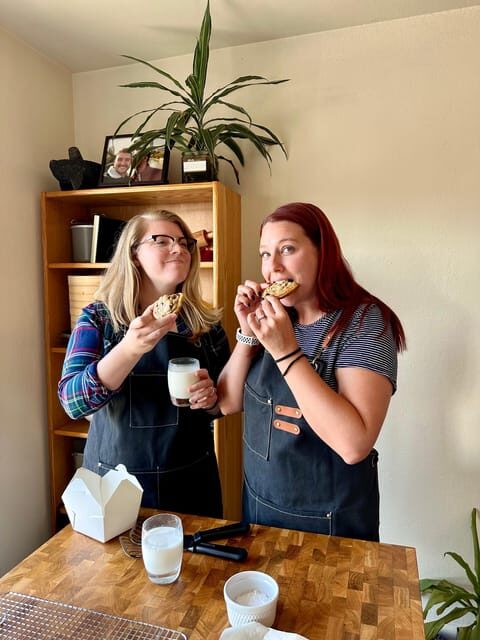
- Baker-led instruction from a professional instructor who teaches directly from a family recipe approach
- Five-cookie blind tasting that sharpens your palate and helps you understand what makes flavors work
- A real baking workflow: prep, mix, portion, bake, then cool before you take cookies home
- Secret-ingredient style tips to help you reproduce results when you bake again later
- Take-home recipe so the workshop keeps paying off after your trip
A Sweet Skill You Can Actually Reuse in San Francisco
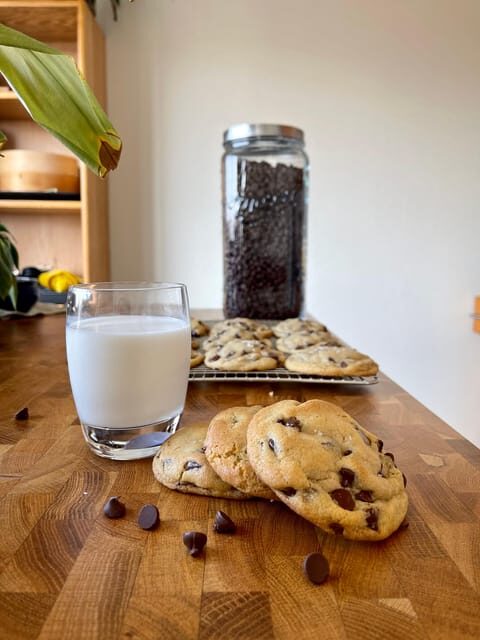
A good cookie class should do more than hand you a bowl and wish you luck. This one is built around learning: why the chocolate chip cookie became such a classic, how to get the dough right, and how to bake for the kind of results you expect. In about three hours, you go from history lesson to finished cookies, without feeling rushed.
For me, the most valuable part is that you’re not just copying a recipe. You’re learning what matters—texture, flavor balance, and technique—then reinforcing it with a blind tasting. If you’ve ever wondered why your homemade cookies don’t taste exactly like the ones you love, you’ll appreciate the focused guidance here.
You can also read our reviews of more tours and experiences in San Francisco
Meet Your Baker and Get Oriented on the Second Floor
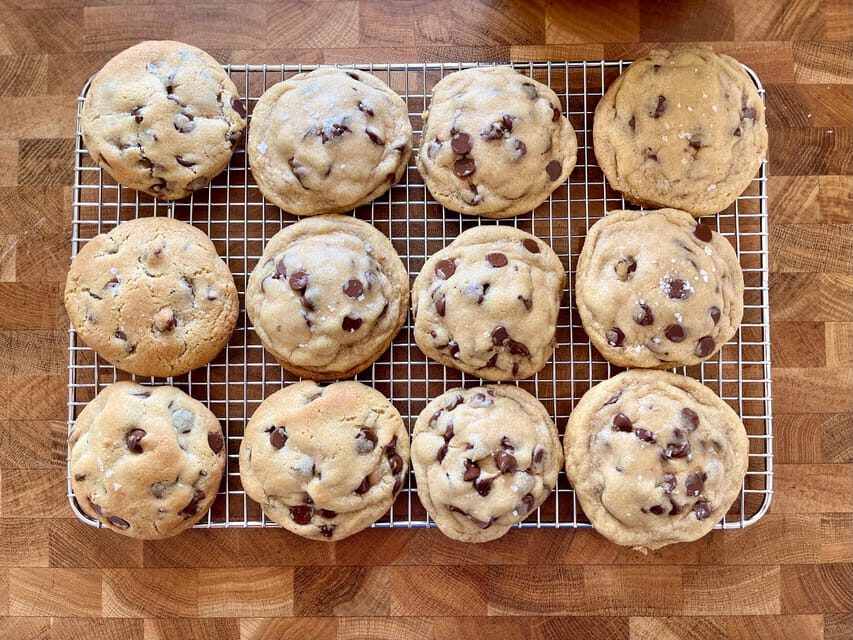
Your session starts at the meeting point inside the building. When you arrive, press the button for 202. The instructor will let you in, then you’ll go inside, walk up two flights of stairs, and turn right for the workshop space.
That stair detail matters. The workshop takes place on the second floor with no elevator, and it’s not suitable for wheelchair users or people with mobility impairments. If stairs are a challenge for you, plan on another activity.
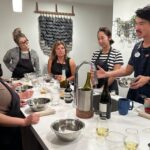
The setting is set up for participation, not observation. Since the group is limited to 6, you’re more likely to get quick feedback on what you’re doing, like dough consistency and how you’re handling ingredients.
Cookie Backstory: Why Chocolate Chips Became a Classic
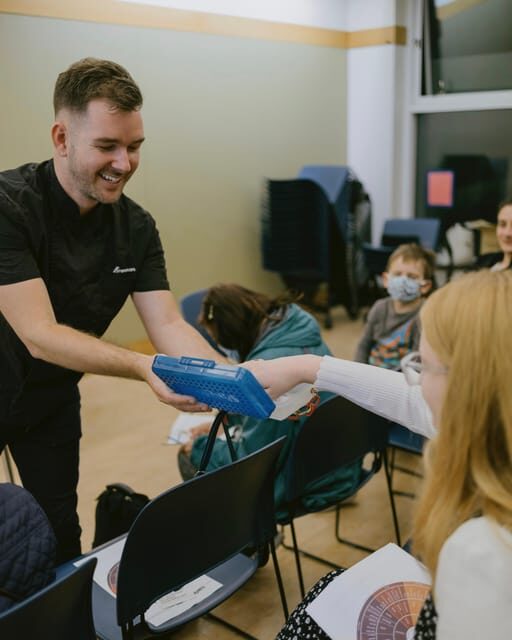
Before you touch the mixing bowl, you’ll start with the history of the American chocolate chip cookie. This isn’t just trivia. It gives you context for what you’re making and why certain choices in baking became standard.
You also learn from the instructor’s experience, including tips on technique and what they look for while baking. That matters because cookies can go wrong in predictable ways—too flat, too dry, or with flavor that tastes off—and history helps explain how the classic version became the benchmark.
If you like food stories that connect to practical outcomes, this portion is a good warm-up. It gets you thinking about cookies as something engineered for taste and texture, not random sweetness.
The Dough Lesson: Family Recipe, Top-Shelf Ingredients
Next comes the hands-on part: getting your ingredients ready and learning to make cookies using a family recipe style approach. The workshop emphasizes top-shelf ingredients, and you’ll be working with all ingredients provided.
What I appreciate here is the blend of structure and explanation. You’re not left guessing what to do next. The instructor guides you through the process, and you pick up technique along the way—how to handle the dough and how to aim for results that match the classic expectation.
Also, there are insider tips tied to perfecting your technique, including a secret-ingredient style takeaway. You’ll still be making the cookies in your own kitchen afterward, but you’ll understand the reason behind the method, not just the steps.
Blind Tasting With Five Cookies: Train Your Palate Fast
This is the part that makes the workshop feel different from a standard baking class: a blind-tasting with 5 different types of cookies. You use your senses without knowing what you’re tasting first, then compare flavors and textures to understand how each cookie’s choices affect the final result.
Even if you don’t consider yourself a “food person,” this section helps you get specific. You start noticing things like sweetness level, buttery flavor, chocolate impact, and how the cookie texture changes from batch to batch. That kind of awareness carries over into your own baking, because you can translate what you learn into adjustments.
It’s also fun in a low-pressure way. You’re not competing, and you’re not being tested. You’re calibrating your palate, which makes the later “baked cookie” moment feel earned.
You can also read our reviews of more tours and experiences in San Francisco



Oven Time: Smell the Cookies Baking and Nail the Finish
Once the dough work is done, you’ll put the cookies in the oven. Then comes the moment that practically guarantees a big grin: you take the cookies out at the end and enjoy the smell and the look of your own batch.
You’ll also get a chance to ask questions during the workshop. That’s a real advantage in a small group, because you’re not waiting for your turn while someone else’s dough question eats up the remaining time.
Here’s what to keep in mind: cookie baking is timing-sensitive. You’ll learn how the baking step fits the overall process, so when you repeat the recipe later, you’ll know what cues to watch for based on the instruction you received.
Take the Recipe Home and Bake Again Without Guesswork
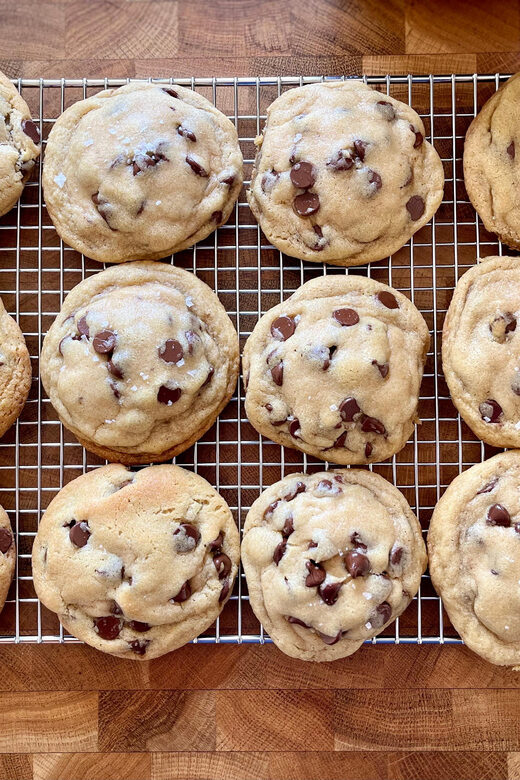
When the workshop ends, you get your freshly baked cookies to enjoy right away or take home to share. Even better, you bring the recipe home with you so you can recreate the cookies anytime.
I like take-home recipes because they turn your experience into a repeatable habit instead of a one-off souvenir. If you’re the kind of person who brings back a few food stories, a kitchen technique, and one or two items you can recreate, this fits perfectly.
The secret ingredient and the technique tips are what make the recipe feel more than paper instructions. You’ll be able to connect what you learned to what you’re doing at home, which is where most cookie classes fall short.
Price and Logistics: Is $99 Worth It?
At $99 per person for a 3-hour, small-group workshop with a professional baker, ingredients included, and a blind-tasting experience, the value is in the combination.
You’re paying for:
- Hands-on coaching in a limited group (max 6)
- A blind tasting with 5 cookie types (experience value, not just “time spent”)
- Baking supplies and all ingredients provided
- A take-home recipe you can use later
- The instructor’s guided tips, including secret-ingredient-style guidance
If you’re comparing this to buying ingredients and attempting a cookie “from scratch,” this is more efficient. You also get the sensory training from the blind tasting, which you can’t easily recreate by yourself.
Two practical considerations help you judge value well:
- It’s three hours with no transfer included, so you’ll want to plan your transportation to the meeting point.
- It’s not wheelchair accessible and has stairs only, so accessibility may affect whether this is worth it for you.
Language Options and Group Dynamics (Why It Feels Smooth)
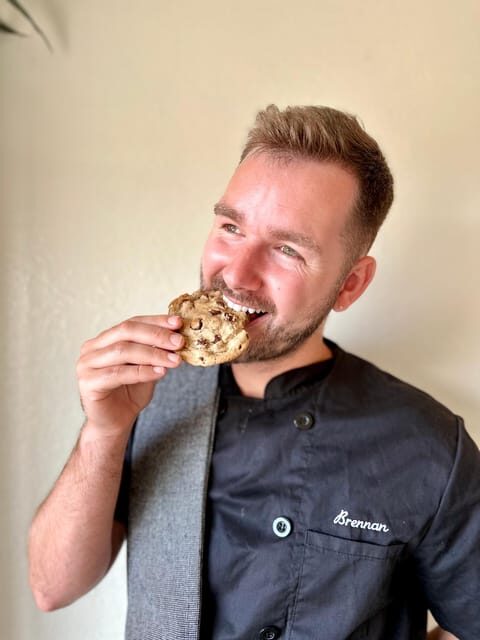
The instructor supports multiple languages: English, Spanish, Chinese, and Portuguese. That’s a big deal in a baking class, because precise instructions matter. When you can follow everything clearly, you spend more time learning and less time guessing.
The group is limited to 6 participants, and that small size changes the whole vibe. You’re more likely to get direct attention, faster help, and more chances to ask questions.
If you’re traveling solo, you won’t feel lost in a crowd. If you’re visiting with a friend or family member, the small group makes it easier to participate together instead of watching someone else do the work.
Who This Workshop Is Perfect For
This workshop is a strong fit if you want a hands-on food activity that feels both educational and genuinely enjoyable. It’s especially good for:
- Families and parent-child trips who want a structured activity where everyone can participate
- Anyone who loves classic cookies and wants to understand what makes them taste right
- Travelers who like workshops where you leave with something real: baked cookies plus a recipe
- People who enjoy sensory exercises like blind tasting
If you’re only looking for quick entertainment, you might find the structure a bit more “lesson-y” than you expected. But if you like learning how and why, you’ll likely come away thinking about cookie technique for days.
Should You Book This Chocolate Chip Cookie Workshop?
I’d book it if you want a memorable food experience in San Francisco that goes beyond eating. The combination of blind tasting, baker-led instruction, and a take-home recipe makes it worth your time even if you’ve baked cookies before.
Skip it—or at least think twice—if stairs are a problem for you since it’s on the second floor with no elevator. Also, if you need a very relaxed, hands-off activity, this is still interactive, and you’ll be doing the baking steps.
If your goal is to come home with both a better cookie and a recipe you can trust, this is a smart choice.
FAQ
What is the duration of the San Francisco chocolate chip cookie workshop?
The workshop lasts about 3 hours. Starting times vary, so you’ll want to check availability for your preferred slot.
How much does it cost?
It costs $99 per person.
What is included in the workshop?
The price includes the cookie-baking workshop, a professional baker, a blind-tasting experience, and all ingredients.
Is there a take-home recipe?
Yes. You’ll take the recipe home so you can recreate the cookies later.
Where do I meet the instructor?
Start by arriving at the meeting point and pressing the button for 202. The instructor will let you in, then you’ll go up two flights of stairs and turn right.
Is it accessible for wheelchair users?
No. The workshop takes place on the second floor and there is no elevator. It is not suitable for wheelchair users or people with mobility impairments.