REVIEW · SAN FRANCISCO
Beginner Surfing in San Francisco at Pacifica Beach
Book on Viator →Operated by Adventure Out LLC · Bookable on Viator
Pacifica teaches beginners to catch waves. This 2.5-hour lesson is built for brand-new surfers: you start with a land lesson for ocean awareness and safety, then get real time in the water (about 1:30 to 2 hours). I like that it keeps things practical and calm, with a small group limit of 8 and instructors who can patiently work one-on-one as you learn pop-ups and wave riding.
One possible drawback: the price covers the experience, but parking fees are not included, and the lesson needs good weather to run.
In This Review
- Key Takeaways Before You Go
- Why Pacifica Beach Is a Smart Pick for First-Time Surfing
- The 30-Minute Land Lesson That Makes the Ocean Less Scary
- Getting Suited Up: Setup Time You Should Actually Expect
- Your Water Time: Whitewater First, Then Small Steps Out
- Technique Focus: Popping Up and Catching Waves Without Chaos
- Instructors Make It: Alan, David, Joao, and the Calm Coaching Style
- Lesson Timing: Morning or Mid-Day, and How That Affects Your Trip
- Pacifica Logistics: Where to Meet and What to Plan for Parking
- Price and Value: Is $139 a Good Deal for a Beginner Surf Lesson?
- Who Should Book This Surf Clinic (and Who Should Skip It)
- Practical Tips So Your First Session Goes Smoothly
- Should You Book Beginner Surfing in San Francisco at Pacifica Beach?
- FAQ
- Do I need surfing experience to join this lesson?
- How long is the surfing lesson?
- What’s included in the price?
- Where do we meet for the lesson?
- What is the minimum age?
- Is the lesson dependent on weather?
Key Takeaways Before You Go
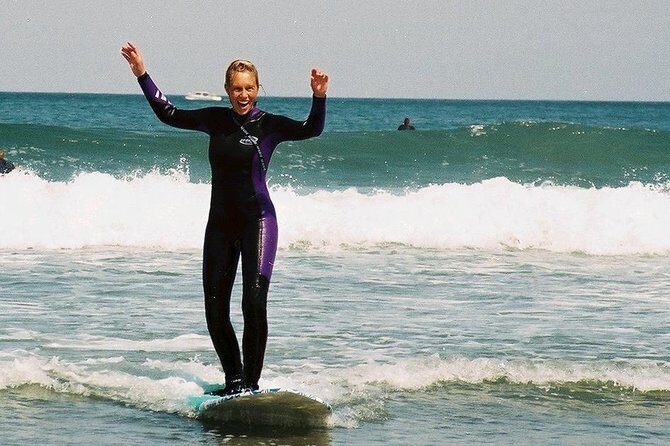
- CPR/First-Aid and lifeguard-certified coaching keeps the vibe focused and safe.
- 1:30 to 2 hours in the water (out of about 2.5 hours total) means you actually practice.
- Whitewater first, then shallow progression helps you build confidence before you go farther out.
- Max 8 travelers gives you more attention when you’re learning paddling and pop-ups.
- All surf gear included (wetsuit and surfboard) so you avoid last-minute shopping or rentals.
- Morning or mid-day options let you pick timing that fits your trip to San Francisco.
Why Pacifica Beach Is a Smart Pick for First-Time Surfing
If you’re new to surfing, the hard part isn’t just the waves. It’s figuring out ocean conditions, safety rules, and basic board skills without feeling overwhelmed.
That’s why this clinic’s setup works. You choose a morning or mid-day lesson, and the whole flow is designed to reduce uncertainty: quick setup on arrival, then a land lesson to teach you what to look for, followed by time in the water that starts in easy, beginner-friendly zones.
You can also read our reviews of more tours and experiences in San Francisco.



The 30-Minute Land Lesson That Makes the Ocean Less Scary
Before anyone runs into the surf, you get a land lesson that covers the stuff most beginners need but rarely get on their first attempt. You’ll talk through ocean awareness and how to read wave breaks and conditions, plus practical safety in and out of the water.
Then comes the technique foundation: paddling, push up, and pop up. This matters because surfing is mostly about timing. If you know what your body should do and why, your first wave attempts feel less like guesswork and more like a repeatable skill.
You’ll also cover wave etiquette. That includes how to behave around other surfers and how to handle yourself in a shared water space, which is a big part of staying comfortable and confident.
Getting Suited Up: Setup Time You Should Actually Expect
The experience has built-in setup time at the start. In other words, don’t assume the clock starts when you park. You’ll get geared up with the wetsuit and surfboard, and then you’ll head to the beach area for instruction.
This setup time is not wasted. For beginners, it’s part of the safety and comfort plan. A wetsuit helps with temperature and mobility, and the instructors can check fit and readiness before you’re out there trying to paddle and pop up.
Your Water Time: Whitewater First, Then Small Steps Out
Once you’re in the water, the clinic’s progression is very intentional. You start riding whitewater in shallower areas—waves that are already broken and moving in a way that’s easier to control.
From there, as you feel comfortable, you’ll venture further out. The point isn’t rushing. It’s building the pattern: paddle, position, push up, pop up, and balance long enough to understand what success feels like.
This is where the small group size pays off. With a max of 8 people, instructors can spot what’s going wrong faster—whether it’s feet placement, timing the pop, or how you’re holding your balance.
Technique Focus: Popping Up and Catching Waves Without Chaos
The clinic is explicitly structured around beginner basics. That means you’re not just being shown what to do—you’re practicing the skills that lead to catching waves.
You work on:
- Popping up (moving from prone to standing in one clean motion)
- Riding and balancing once you make it up
- Paddling mechanics so you’re not fighting the board the whole time
I like that the teaching style is described as safe and non-threatening. It’s not the kind of surf session where someone belittles you for falling. You’re there to learn, and the format supports that.
And the results people describe are encouraging: several first-timers report standing and catching small waves during their session, especially when they follow the cues from the instructor.






Instructors Make It: Alan, David, Joao, and the Calm Coaching Style
The biggest theme here is instruction quality. The clinic is led by instructors who are CPR/First-Aid and lifeguard certified, which you can feel in the way they manage pacing and safety.
In the feedback, I keep seeing names tied to different strengths:
- Alan gets highlighted for being thorough and helpful, and for running the clinic with a clear, supportive approach.
- David is praised for keeping people safe and helping them get standing on the board.
- Joao is specifically mentioned as a great fit if you don’t know anything about surfing yet.
- Al (mentioned in feedback as well) is described as joyful, genuinely invested, and detail-oriented, with safety front and center.
If you’re worried you’ll be clumsy or slow, that kind of patient, safety-conscious coaching is exactly what you want in your first session.
Lesson Timing: Morning or Mid-Day, and How That Affects Your Trip
You can choose a morning or mid-day lesson. For your schedule, that’s a real win because it lets you fit surfing around the rest of your San Francisco time.
If you’re doing other SF classics the same day, the morning option can be a clean way to burn nervous energy early. Mid-day can be easier if you like a slower start—just remember you’ll still want to show up with enough time for setup.
Pacifica Logistics: Where to Meet and What to Plan for Parking
You’ll meet at 5000 CA-1, Pacifica, CA 94044, and the activity ends back at the same meeting point.
Since parking fees aren’t included, I suggest you assume there may be extra cost depending on where you park. It’s a small surprise that can add up if you’re already budgeting tight for the day.
The good news: the meeting area is near public transportation. So if you don’t want to deal with parking stress, you have options.
Price and Value: Is $139 a Good Deal for a Beginner Surf Lesson?
At $139 per person for about 2 hours 30 minutes, this price makes sense mainly because you get two things most beginners struggle to solve on their own: gear and instruction.
You’re not paying extra for equipment. The lesson includes all rental gear at no charge—wetsuit and surfboard—and the price covers all taxes, fees, and handling charges. That’s a cleaner deal than many experiences where the total changes once you reach the checkout screen.
The trade-off is that you don’t control the weather. The experience requires good weather, and if conditions aren’t right, the plan adjusts (either another date or a refund, depending on how it’s handled). So I’d book this when you have a little flexibility in your Pacifica/San Francisco window.
If you’re hungry for more progress after your first session, you can also use this as a starter lesson. People often feel ready to go again once the basics click.
Who Should Book This Surf Clinic (and Who Should Skip It)
This is a strong fit if:
- You’re a true beginner and want guided instruction, not a DIY attempt
- You care about safety training and clear ocean awareness
- You want enough time in the water to actually practice pop-ups and wave riding
- You prefer a smaller group (max 8) over a crowded lesson
It may be less ideal if:
- You dislike cold ocean water, even with a wetsuit provided
- You’re traveling on a day with uncertain weather and no flexibility
- You’re looking for a long, multi-hour session beyond this beginner format
Also note the minimum age is 12. If you’re traveling with family, that’s an important constraint to keep in mind.
Practical Tips So Your First Session Goes Smoothly
You’ll get the gear, but your mindset is the part you control. Go in expecting to fall a few times and focusing on the instructor cues. Surfing rewards patience, and this clinic’s structure is built around that.
A few practical pointers that match the lesson style:
- Listen closely during the land lesson. That’s where you learn what to look for.
- Treat whitewater practice as the real test. If you can ride broken waves confidently, you’re building the skill that transfers.
- Keep your focus on timing for the pop-up and balance once you’re up. That’s the difference between standing for a second and standing long enough to feel like surfing.
Should You Book Beginner Surfing in San Francisco at Pacifica Beach?
Yes, if you want a first surf experience that feels organized, safety-focused, and beginner-friendly. The combination of land instruction, meaningful water time, and gear included makes this a solid value for new surfers who don’t want to guess their way into the ocean.
Book it if you’re ready to practice a lot, even if you’re nervous now. And if you’re choosing between options, this one stands out because you’re capped at 8 people and the instructors are trained to run a controlled, encouraging session.
If your calendar allows for weather, this is one of the more straightforward ways to go from curious to catching small waves in the same day.
FAQ
Do I need surfing experience to join this lesson?
No experience is required. The clinic is designed for beginners and starts with a land lesson on ocean awareness, safety, etiquette, and basic techniques, then moves into shallow areas and whitewater practice.
How long is the surfing lesson?
The total duration is about 2 hours 30 minutes. You can expect roughly 1:30 to 2 hours in the water, with some setup time at the beginning and a land lesson that takes about 30 minutes.
What’s included in the price?
The price includes a professional guide, all taxes, fees, and handling charges, and all rental gear at no charge, including a wetsuit and surfboard.
Where do we meet for the lesson?
The meeting point is 5000 CA-1, Pacifica, CA 94044, USA. The activity ends back at the meeting point.
What is the minimum age?
The minimum age is 12 years old.
Is the lesson dependent on weather?
Yes. The experience requires good weather. If it’s canceled due to poor weather, you’ll be offered a different date or a full refund.