REVIEW · SAN FRANCISCO
San Francisco Wine Tour with a Local Expert: 6 Tastings 100% Personalized
Book on Viator →Operated by City Unscripted · Bookable on Viator
Wine time in San Francisco, no car needed. I love the private, tailored flow—your host adjusts the stops to your tastes—and I love that you get six tastings paired with real bites, not just sips. One thing to consider: this is mostly a walking experience, so comfortable shoes matter more than you’d think for a 3-hour plan.
In plain terms, you meet your local expert at 808 Kearny St (or a nearby spot), then you’re taken around San Francisco to handpicked wine bars and tasting rooms. Along the way, you’ll sample a mix of California rose, red, and white wines, with bread, cheese, charcuterie, and seafood showing up as pairings.
In This Review
- Key highlights at a glance
- A 3-hour San Francisco wine walk built around your preferences
- Where you start in San Francisco: 808 Kearny St and flexible meet-up
- Six tastings of rose, red, and white—what that format teaches fast
- The food pairings: bread, cheese, charcuterie, and seafood
- Exploring urban wineries and tasting rooms without leaving the city
- Getting the best from your host: how to make the tour personal
- Price and value: is $178.24 worth it for a private wine experience?
- Logistics that actually matter for a smooth experience
- Who should book this tour (and who should skip it)
- Should you book this San Francisco wine tour with a local expert?
- FAQ
- How long is the San Francisco wine tour?
- How many wine tastings are included?
- What food is included with the tastings?
- Where does the tour start?
- Is transportation included?
- Is this tour private?
- What is the cancellation policy?
Key highlights at a glance
- Private and personalized: you’ll answer a short questionnaire, then be matched with a like-minded local host.
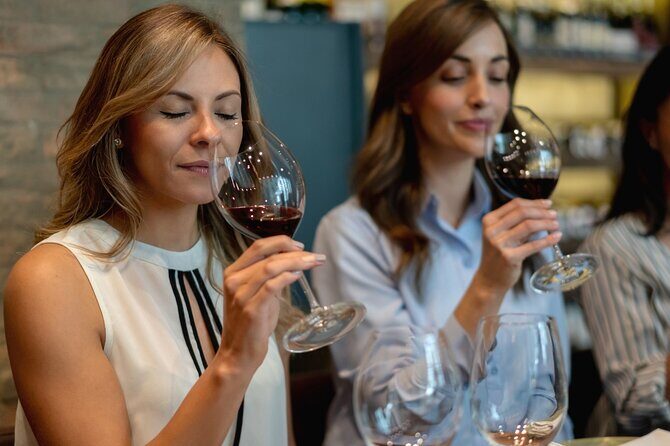
- Six tastings in 3 hours: rose, red, and white are split across a handpicked set of stops.
- Food pairings that actually matter: bread, cheese, charcuterie, and seafood accompany your tasting flight.
- Two to three eateries for bites: your host pairs wines with samples from local food spots.
- Urban wine options, no driving: explore wine bars and urban tasting rooms mostly on foot.
A 3-hour San Francisco wine walk built around your preferences
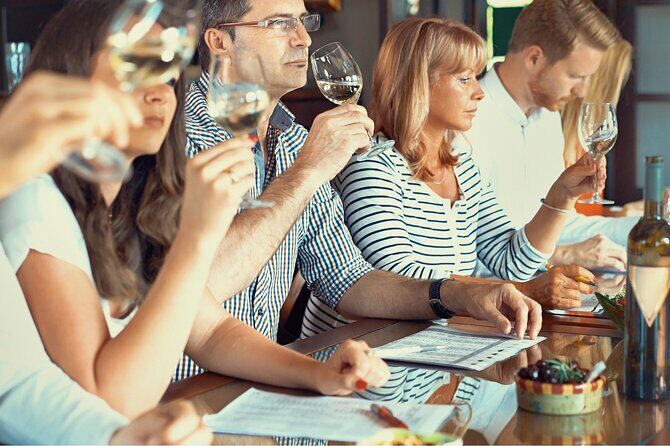
This tour is designed for people who want a San Francisco introduction to wine culture without wasting time on guesswork. I like that it stays personal, not one-size-fits-all. After booking, you’ll fill out a short questionnaire, and your local host uses your answers to shape what you taste and how you pair it with food.
The “private” part is also important. You’re not sharing a tiny window of attention with a big group. With a smaller feel to the pacing, it’s easier to ask questions and adjust mid-tour—like if you discover you prefer crisp whites over richer reds.
You also get a clear structure: 3 hours and six tastings. That’s a nice sweet spot. Long enough to understand a few wine styles and how they connect to San Francisco food, but short enough that you won’t feel dragged between stops.
You can also read our reviews of more wine tours in San Francisco

Where you start in San Francisco: 808 Kearny St and flexible meet-up
You’ll meet at 808 Kearny St, San Francisco, CA 94108. That location is handy because it’s central, and it makes the start time feel easier to navigate—especially if you’re already planning to walk around the area.
If you’d rather start closer to your room, hotel meet-up is available on request for a central location. Your meeting point is flexible and agreed with your local host, so you’re not stuck with only one fixed corner of the city.
One more practical note: the tour uses a mobile ticket, and the experience is offered in English. Near public transportation, so if you’re tired or want a break between stops, public transit may be used at the host’s discretion.
Six tastings of rose, red, and white—what that format teaches fast
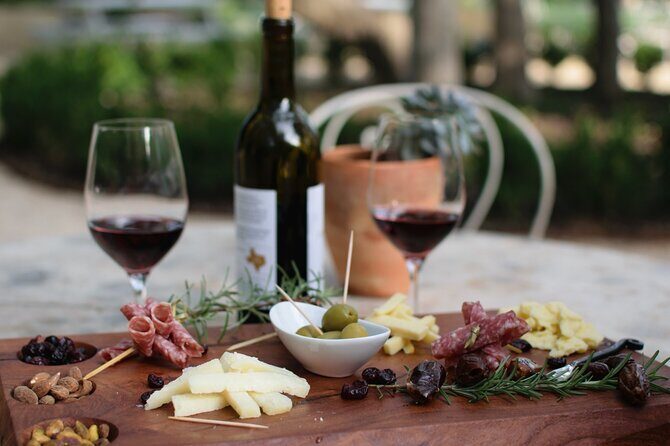
Six tastings sounds simple, but it’s actually a smart way to learn. You’re not just sampling random bottles. You’re comparing styles—starting with rose, then moving into reds and whites—so you can spot what you truly like.
Here’s why I think this approach works: in three hours, you can’t become a wine expert. But you can become a better chooser. You’ll leave knowing which flavors and styles fit your palate, and you’ll have a clearer idea of what to order next time you see it on a wine list.
The guide helps with the “how to taste” part too. In one of the experiences, the host Maria was praised for being experienced and well versed in food and wine, and for choosing strong samples based on personal preferences. That’s the kind of skill that turns a tasting from random sips into a conversation about why the wine tastes the way it does.
The food pairings: bread, cheese, charcuterie, and seafood
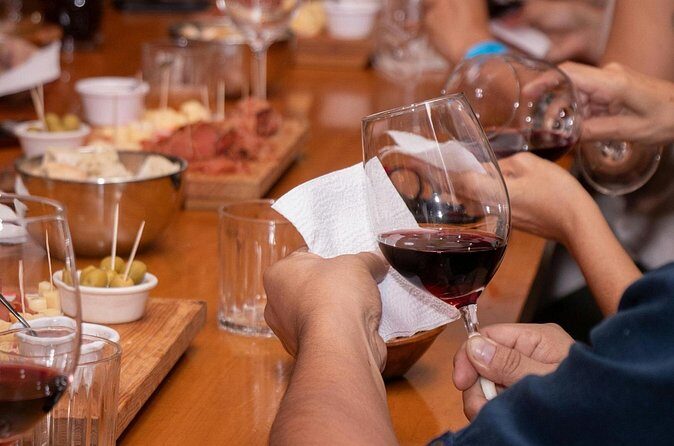
Wine tastes different with food. That’s not a marketing slogan—it’s basic chemistry and timing. The best part here is that your tastings are paired with local produce and snack-style bites, not empty crackers.
You’ll get bread, cheese, charcuterie, and seafood as part of the pairing experience. And the tour also includes samples of local produce from 2–3 eateries. That means the “food story” isn’t just garnish. It’s part of the learning and part of the enjoyment.
A pairing is most useful when you can connect cause and effect fast. For example:
- A lighter wine often tastes cleaner and more refreshing with cheese and bread.
- A bolder red can feel smoother when there’s salt, fat, or a savory element in the bite.
- Seafood pairings can highlight acidity in a white or rose.
This is also where you should lean into questions. If you’re the type who wonders what makes a wine taste fruity, earthy, or crisp, ask. A good host can point you to what to notice next time you taste the wine on your own.
Exploring urban wineries and tasting rooms without leaving the city
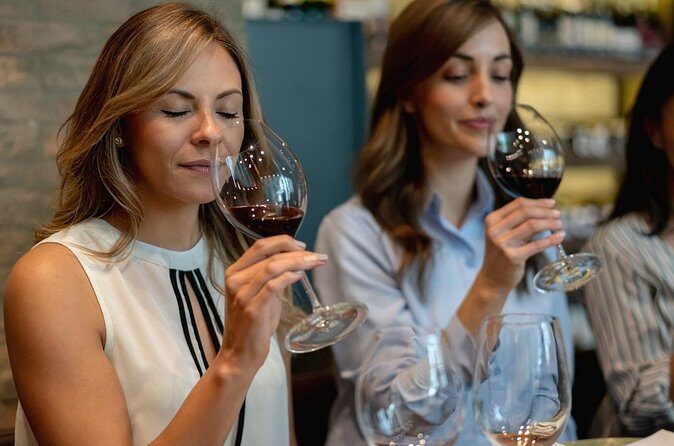
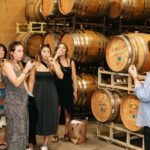
This tour is all about San Francisco wine culture, and it stays inside the city. Your host takes you to handpicked spots such as wine bars and urban tasting rooms—places where locals actually go, not wine talk that only exists in brochure form.
That urban angle matters. San Francisco isn’t just a place to drink wine; it’s a place to eat in a specific style, influenced by lots of cuisines. The tour is built around the idea that California wines connect to that culinary mix—so you’re not tasting in a vacuum.
I also like that the experience is flexible. Your host can shape the stops based on what you’re into. If you want a calmer pace, you can often request that. If you want to focus more on certain wine types, that also tends to work better than forcing a fixed script.
One drawback to keep in mind: the stops are walking-based, and you may use public transport. So if you hate walking or you’re on a tight mobility plan, plan your footwear and energy level carefully.



Getting the best from your host: how to make the tour personal
The tour’s whole point is that your host uses your preferences. That’s great—if you show up ready to steer the experience.
Before you arrive, think about your answers to the questionnaire in real terms:
- Do you like dry wines or sweet-leaning ones?
- Do you prefer light and crisp or heavier and richer?
- Are you more into white wines, reds, or rose?
- Any flavor notes you avoid?
Then, during the tour, treat it like a conversation. Maria-style hosting (someone praised for tailoring tastings and pairings to individual preferences) is the ideal version: you taste, you react, and the plan adjusts. If you say you love a certain style, ask what else that connects to.
And yes, there will be time for the basics. You’ll learn how each varietal pairs with the city’s diverse culinary influences and what makes the region’s wine distinctive. You’ll probably leave with fewer questions that start with “why does this taste different” and more confidence in what to order next.
Price and value: is $178.24 worth it for a private wine experience?
At $178.24 per person, it isn’t a bargain tour. But it can be very good value because you’re paying for three big things at once: private guiding time, six tastings, and food pairings.
Let’s break it down in a practical way:
- Six tastings are included, so you’re not paying separately for each pour.
- Food is included with the tastings: bread, cheese, charcuterie, and seafood are part of the pairing experience.
- You’re getting a local expert for about three hours, with a flexible route shaped around your preferences.
Where the cost can feel less attractive is if you expect transportation or lots of extra drinks to be included. Transportation isn’t included, and additional food and drinks aren’t included either. You’ll likely want water between tastings and you may decide to buy a glass if something really hits.
Still, if you want a guided, paired tasting experience you can’t easily replicate on your own without research, this price starts to make sense fast. You’re paying for the shortcut: someone else plans the order, picks the tasting spots, and helps you connect wine to food.
Logistics that actually matter for a smooth experience
This tour is designed to be easy to join, but a few details can make or break the experience.
First, expect it to be walkable. Even with public transport options, the main rhythm is on foot. Plan for that with shoes you can stand and walk in.
Second, be ready for a guided pace. Since it’s private, the host can slow down or adjust, but the structure is still three hours and six tastings. Pace yourself from the start. If you do better with small sips, say so.
Third, you’ll get a short questionnaire after booking. That’s not paperwork for its own sake. It’s how you get matched with a like-minded host and how you avoid ending up with tastings that miss your preferences.
Finally, gratuities are optional. That means you should factor in a tip amount if you want to recognize great hosting.
Who should book this tour (and who should skip it)
This fits best if you want:
- A private San Francisco wine tour rather than a big group.
- An experience built around your tastes, not just a generic “wine 101.”
- A quick, high-impact introduction to California wines through tasting flights and food pairings.
It may not be the best match if:
- You strongly dislike walking or you want a car-based tour (this one is primarily on foot).
- You want a fully meal-length food experience. The pairings are included, but additional food and drinks aren’t.
If you’re visiting for the first time and you want to understand how wine connects to San Francisco food culture, this is a smart use of a half day.
And if you’ve ever felt like a tasting room staffer didn’t have time to explain the wines, a local host can give you that extra attention.
Should you book this San Francisco wine tour with a local expert?
If you want a guided, paired tasting with six tastings, and you’re excited by the idea of learning through food and conversation, I’d book it. The private feel plus the personalization is the real value here, and the inclusion of food pairings turns it from a simple alcohol stop into a food-and-wine experience you can remember.
I’d pass if you hate walking or you’re hoping for transportation and extra meals included. Since transportation and additional drinks aren’t included, make sure that matches your plan and budget.
FAQ
How long is the San Francisco wine tour?
It lasts about 3 hours.
How many wine tastings are included?
You’ll have 6 tastings, including rose, red, and white wines.
What food is included with the tastings?
Bread, cheese, charcuterie, and seafood are included as pairing items, along with samples of local produce from 2–3 eateries.
Where does the tour start?
The meeting point is 808 Kearny St, San Francisco, CA 94108, USA, though the exact meet-up spot can be flexible and agreed with your host.
Is transportation included?
Transportation is not included. The experience is primarily a walking tour, and public transport may be used.
Is this tour private?
Yes. It’s a private tour/activity, and only your group will participate.
What is the cancellation policy?
Free cancellation is available up to 24 hours in advance for a full refund.
If you want, tell me what wines you usually like (dry vs sweet, red vs white vs rose), and I’ll suggest what to ask your host so your tastings line up with your taste.