REVIEW · SAN FRANCISCO
San Francisco: True Crime Tales from the Haight
Book on GetYourGuide →Operated by ExperienceFirst California · Bookable on GetYourGuide
Haight Street turns spooky fast. This walking tour pairs San Francisco music icons with chilling true-crime landmarks in the Haight-Ashbury, the neighborhood made famous by the 1970s Summer of Love. I like the way the route keeps both sides in play: the cultural shine of the era and the darker plots tied to the same streets.
Guides such as Robert and Seth bring the stories into focus with clear narration tied to real places. I also like that you’ll visit major stop points like Janis Joplin’s house and Jimi Hendrix’s red house, then move on to Buena Vista Park for the more haunting, cemetery-like mood. The main drawback is that the subject matter gets heavy fast, so it’s not the kind of walk for you if you want light, feel-good history.
In This Review
- Key highlights you’ll feel on the walk
- How a 2-hour Haight true-crime walk actually flows
- Starting at Haight & Stanyan: setting the mood before the first case
- Alvord Lake: where sightseeing meets era context
- The secret stop: why a wildcard matters on a true-crime route
- Janis Joplin’s house: when the story turns from fame to consequence
- Jimi Hendrix Red House: iconic rock details in a darker neighborhood
- Trax: hearing the era through a music-scene reference point
- Buena Vista Park and forgotten tombstones: the spooky ending
- Finishing at Haight & Masonic: leaving with a plan
- Price and value: is $39 worth a music-plus-crime walk?
- Who this tour fits best (and who should skip it)
- Should you book San Francisco: True Crime Tales from the Haight?
- FAQ
- Where does the tour start?
- How long is the tour?
- How much does it cost?
- What language is the tour guide?
- Is the tour wheelchair accessible?
- What’s included in the price?
- Is food or drink included?
- What major stops will I visit?
- What’s the tour’s general theme?
- Where does the tour end?
- What’s the cancellation window?
Key highlights you’ll feel on the walk
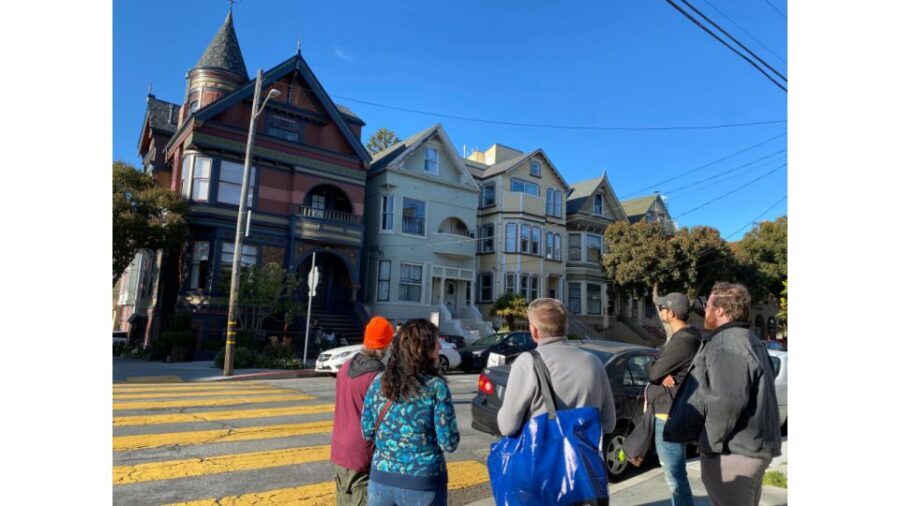
- Music legend house stops: see the homes tied to Janis Joplin and Jimi Hendrix
- Summer of Love context: learn why the Haight became culturally significant in the ’70s
- True crime landmark focus: hear about cases tied to the Zodiac Killer, George Moscone, and Harvey Milk
- Dark-history names: Charles Manson and Jim Jones come up as part of the story’s cautionary edge
- Buena Vista Park at the end: a spooky shift with forgotten tombstones
- A guided, English-speaking route: local storytelling led by guides like Robert or Seth
How a 2-hour Haight true-crime walk actually flows
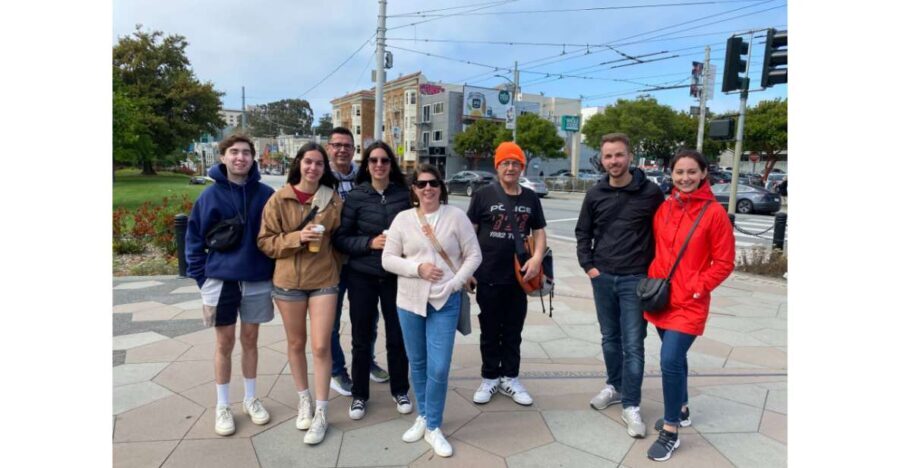
At just two hours, this tour is built for a steady walking pace with frequent story stops. You’re not doing a long hike or switching between neighborhoods by car; it’s a focused Haight circuit that aims to connect the dots between music fame and real criminal cases.
The route also keeps you oriented. You start at Haight Street and Stanyan Street, work your way through classic Haight sights, then finish around Haight and Masonic Ave—useful because you can keep exploring right after without losing time getting home.
One thing to plan for: you’ll hear about notorious crimes and dangerous people. Even if you’re a big SF history fan, expect the tone to skew darker than your average “neighborhood stories” walk.
You can also read our reviews of more tours and experiences in San Francisco.



Starting at Haight & Stanyan: setting the mood before the first case
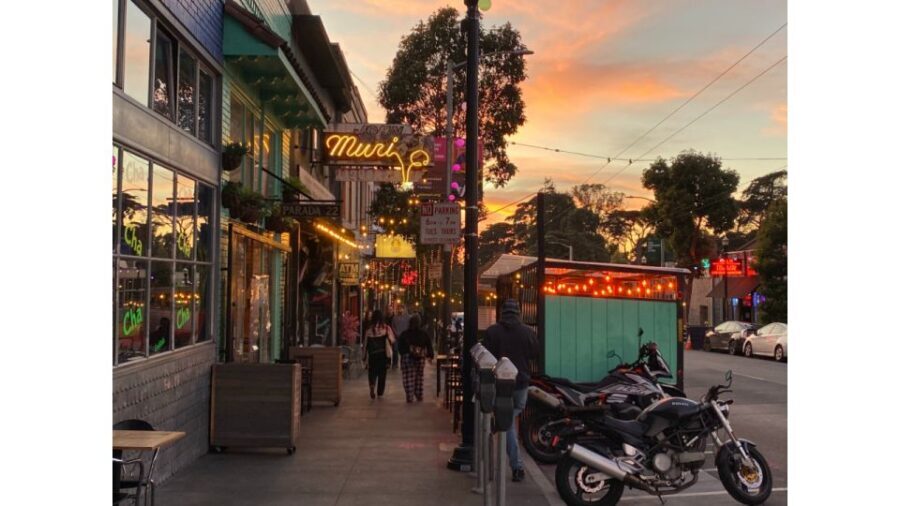
Your tour begins right on Haight Street at Haight Street & Stanyan Street. This is a smart choice because the Haight isn’t one specific vibe—it’s layers. The guide can anchor you with a quick framework for what the area was becoming in the ’70s, then you’re ready for the pivot into true crime.
This opening stretch matters because it frames how you should listen to the rest of the walk. You’ll be tracking two themes at once: the music-scene icons who helped define the era, and the violent events and sinister figures who were part of the same broader moment.
If you’re sensitive to grim topics, it helps that the tour doesn’t fling you into the darkest material immediately. You get a street-level sense of place first, so the later stories land with more clarity.
Alvord Lake: where sightseeing meets era context
Next is Alvord Lake, marked for a guided tour and sightseeing. This stop gives you a change of pace from pure street viewing. In a tour like this, that’s important: it gives you a moment to absorb the neighborhood’s layout and atmosphere before moving into the more specific name-and-case details.
Think of Alvord Lake as a “story switch.” The guide can connect what you’re seeing with why the Haight became culturally important—then start tightening the lens toward the parts of the same environment where danger could grow.
Practical note: this is a walking tour. Wear shoes that are comfortable for uneven sidewalks and enough outdoor time to handle two hours without wishing you had brought better footwear.
The secret stop: why a wildcard matters on a true-crime route
There’s also a secret stop on the itinerary. You won’t know it in advance from the basics provided, and that’s often the point on tours like this. A wildcard stop can do two useful jobs: it keeps you curious, and it lets the guide highlight a key location that would be less effective if everyone arrived expecting it.
Even with the unknown element, the purpose fits the tour’s overall pattern. It’s designed to connect music-era landmarks with serious crime stories—so that the streets don’t feel random once you get there.
If you like tours that keep a bit of spontaneity, this slot will likely feel like a fun curveball. If you prefer rigid, every-stop clarity, it can feel frustrating—though the tour still stays only around two hours total.
Janis Joplin’s house: when the story turns from fame to consequence
One of the most specific stops is Janis Joplin’s House. This is where the tone often shifts from “era overview” to “individual legend.” You’re not just hearing about the Haight as a cultural headline—you’re getting a direct connection to one of the artists who helped define it.
I like how this type of stop works on a true-crime tour. It stops you from treating the neighborhood like a theme park. Instead, it makes the Haight feel human-scale: people lived here, walked these streets, and created music that still echoes today.
From here, the tour’s “ghost” angle becomes clearer too. The tour is meant to bring you into the feeling that music history and criminal history occupy the same geography—even if the outcomes are totally different.






Jimi Hendrix Red House: iconic rock details in a darker neighborhood
Next is the Jimi Hendrix Red House. This stop is a big draw because it’s concrete: a named landmark tied to a person who shaped music culture. For you, it’s also a way to gauge the guide’s style. A good guide will point out more than just where the house is; they’ll connect it to the neighborhood energy from the era.
And yes, the tour goes beyond Jimi to talk about other musicians tied to the Haight, including Jefferson Airplane, plus Janis, Jimi, and more. That matters because it gives the Haight its proper role: a magnet for artists, not a backdrop.
Just remember what kind of day this is. The tour’s themes include dangerous men plotting future misdeeds and notorious crime cases. So as the music legends become vivid, the guide’s narration keeps a cautionary edge in view.
Trax: hearing the era through a music-scene reference point
Stop 6 is Trax. Even without extra details provided here, the presence of a single, named spot like this signals what the tour wants to do: connect you to the everyday spaces where the scene moved, not just to famous houses.
This stop also helps with pacing. After two highly imageable residential landmarks, a music-related location gives you a different type of context—more about the scene’s energy than the myth of a single home.
If you’re the kind of traveler who likes your history tied to real places you can stand in front of, this helps. You’re not only collecting stories; you’re learning to “read” the neighborhood.
Buena Vista Park and forgotten tombstones: the spooky ending

The final major stop is Buena Vista Park, with a guided tour and sightseeing. The tour description specifically calls out Buena Vista Park as filled with forgotten tombstones, which is a strong tonal cue that this isn’t going to end with a casual joke and a clap on the shoulder.
This ending choice also makes sense for your memory. The Haight itself is famous for surface-level cool, but the park introduces a slower, darker mood. It gives you contrast—the kind that makes earlier stops feel sharper, because you’ve been trained to listen for the “other story,” the one tied to harm and loss.
When you reach this part of the route, you’ll likely feel the tour’s dual mission more clearly. Music created legends and community in the Haight. At the same time, the area became a stage for serious violence and fear. The park’s cemetery-like feel locks that idea into place.
Finishing at Haight & Masonic: leaving with a plan
You wrap up at Haight St & Masonic Ave. I like finishing at an intersection like this because it’s practical. You can continue on foot, grab a bite nearby (not included on the tour), or simply keep walking the Haight’s edges while the stories are still fresh.
At the end, you’ll have a neighborhood mental map: where artists’ homes fit into the wider streetscape, where “Summer of Love” symbolism shows up, and how true-crime narratives thread through the same real geography.
If you’re pairing this with other SF plans, I’d treat it like a morning or early-afternoon anchor. Two hours is long enough to feel like you did something, but short enough to keep the rest of your day flexible.
Price and value: is $39 worth a music-plus-crime walk?
The price is $39 per person for a 2-hour guided walking tour. For me, value comes down to three things: a licensed-feeling local guide, real place-based stops, and a topic focus you’ll actually want to hear about.
This tour checks those boxes. You get an English-speaking local guide, a route with named landmarks (Janis Joplin’s House, Jimi Hendrix Red House, Trax, Buena Vista Park), and story topics that are specific—Zodiac Killer, the murder of Mayor George Moscone, and the Harvey Milk assassination, plus the serial killer names Charles Manson and Jim Jones. That level of specificity matters because it’s not a vague “dark history” scavenger hunt.
What you’re not getting is food or drink. So if you’re doing this as part of a full day out, plan to eat before or after. The tour is designed for walking and listening, not lingering at cafes.
If your ideal tour includes crime details and music-era context, $39 feels reasonable. If you prefer gentler history or you’re not into serial killer or assassination topics, you may decide it’s too heavy for your taste.
Who this tour fits best (and who should skip it)
This is a good match for you if:
- You love the Haight and want to connect it to the music legacy, not just the postcard version
- You enjoy true crime stories that stay grounded in real street locations
- You want a compact 2-hour format that still covers multiple major SF case references
I’d consider skipping it if:
- You’re looking for a light entertainment walk
- You strongly dislike true crime content or graphic details (the tour deals with serious crimes and dangerous figures)
- You want purely positive “music history only” stops without any darker context
That said, if you do like true crime, the guide-led format is a plus. Reviews you can find for this tour point out guides who are strong at weaving places and stories together, including Robert and Seth, and that’s exactly the skill set you want on a tour with this much subject matter.
Should you book San Francisco: True Crime Tales from the Haight?
Book it if you want a tight, place-based Haight experience that treats the neighborhood like a real world—music icons on one side, major SF crimes on the other. I think the strongest reason to go is the combination: named artist landmarks (like Janis Joplin’s House and the Jimi Hendrix Red House) plus a themed crime storyline that’s tied to locations you can actually stand on.
Skip it if your personal tolerance for dark topics is low, or if you’d rather spend your time on history that stays upbeat. This tour chooses the darker thread on purpose, ending in Buena Vista Park with forgotten tombstones—so you should book with that expectation in mind.
FAQ
Where does the tour start?
It starts at Haight Street & Stanyan Street in San Francisco.
How long is the tour?
The duration is 2 hours.
How much does it cost?
The price is listed as $39 per person.
What language is the tour guide?
The tour is guided in English.
Is the tour wheelchair accessible?
Yes, the tour is wheelchair accessible.
What’s included in the price?
An English speaking local guide is included.
Is food or drink included?
No, food or beverage is not included.
What major stops will I visit?
You’ll visit Alvord Lake, Janis Joplin’s House, Jimi Hendrix Red House, Trax, and Buena Vista Park, with a secret stop in between.
What’s the tour’s general theme?
It mixes Haight-Ashbury music-era stories with true SF crime tales and includes references to well-known cases and figures.
Where does the tour end?
It ends at Haight St & Masonic Ave, San Francisco, CA 94117.
What’s the cancellation window?
You can cancel up to 24 hours in advance for a full refund.