REVIEW · SAN FRANCISCO
San Francisco: Chinatown Dim Sum and Tea Tour
Book on GetYourGuide →Operated by Stretchy Pants · Bookable on GetYourGuide
Chinatown can be loud and confusing fast, but this 3-hour food-and-tea walk keeps you focused on the good parts. I love the dim sum feast and how the tea tasting gives the meal a thoughtful finish. One possible downside: at $99, it can feel pricey if you’re not a steady eater or you’re expecting bigger portions for the money.
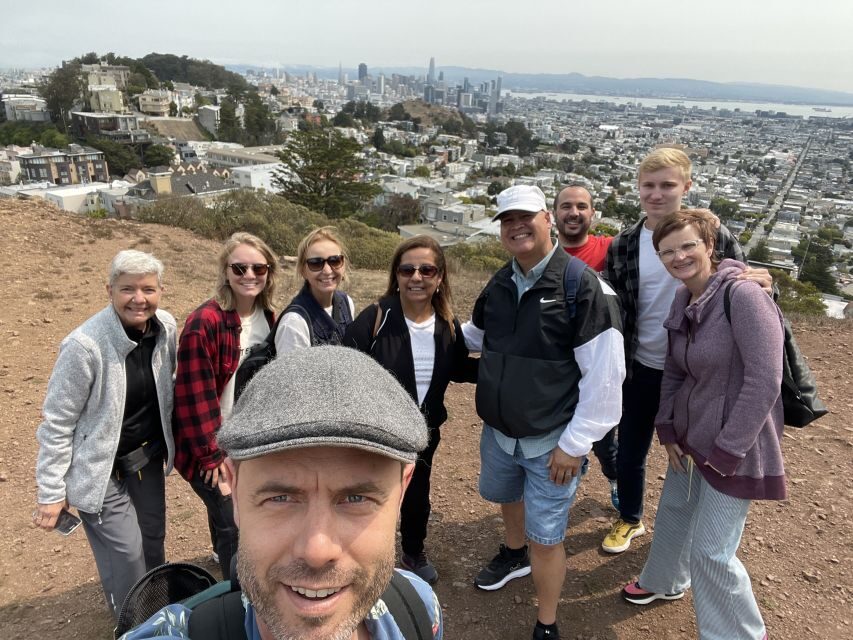
I also like the small-group feel, capped at 10 people or less, so the guide can pace the walk and explain what you’re seeing. When the guide is Dale, the tone tends to be history-with-context, not history-with-a-lecture, which makes the Chinatown story easier to follow while you’re eating.
You’ll meet outside House of Dim Sum and walk a lot through side streets and alleyways. It’s not set up for kids under 7, and pets aren’t allowed, so plan accordingly if that matters for your group.
In This Review
- Key Highlights You’ll Actually Taste (and Remember)
- Starting at House of Dim Sum: how the 3-hour pacing works
- Dim sum kickoff and Peking duck: what the full meal really includes
- Fortune cookie factory: seeing the process up close
- Bubble tea and hidden alleyways: the Chinatown story you don’t get from the main street
- Heritage pastries, 1906 survival, and Gold Rush echoes
- Picnic in the park (or a cozy fallback): savory rolls and roasted specialties
- Tea tasting at the end: why this tour slows you down
- Price and value: is $99 worth a full Chinatown meal?
- Who should book this Chinatown dim sum and tea tour
- Should you book this tour?
- FAQ
- FAQ
- Where is the meeting point?
- How long is the tour?
- How big is the group?
- What food is included?
- Is tea tasting included?
- Do you visit a fortune cookie factory?
- Are alcoholic drinks included?
- Is this tour suitable for young children?
- Are pets allowed?
- What are the cancellation and payment options?
Key Highlights You’ll Actually Taste (and Remember)
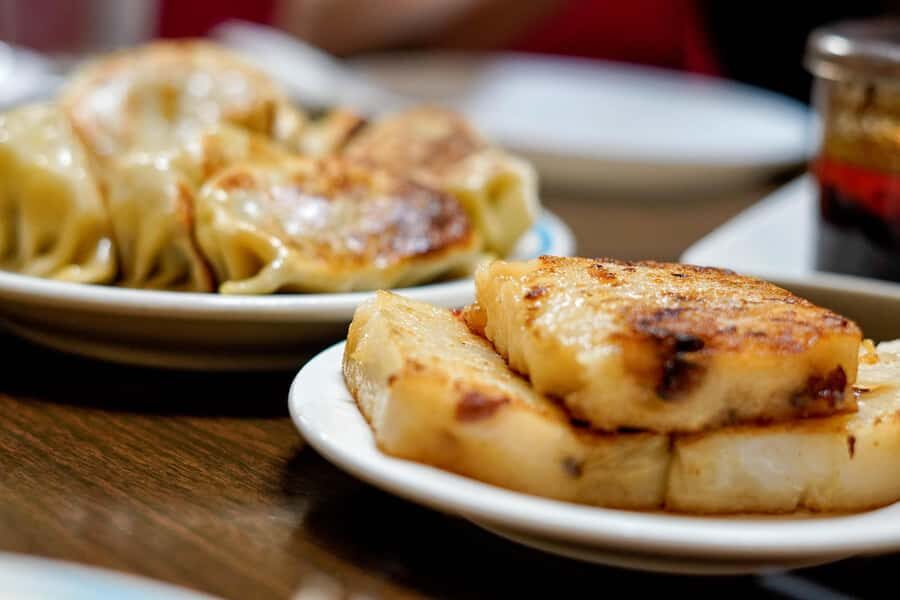
- Dim sum kickoff in Chinatown with a full meal setup (dim sum, bubble tea, duck, dessert)
- Tea tasting that explains tea as culture, not just a drink
- First fortune cookie factory in the world where you can watch cookies being made
- Bubble tea plus hidden alleyway stories, including old local legends and street-level details
- Heritage bakery stop with a classic Chinese pastry and nearby landmarks tied to 1906 and the Gold Rush
- Small group of 10 or fewer, with an English-speaking live guide
Starting at House of Dim Sum: how the 3-hour pacing works
The tour is built around one simple idea: you eat your way through Chinatown, then you slow down just enough at the end to make sense of it. You’ll meet outside House of Dim Sum, and from there the schedule stays tight so you get a full sweep without spending your whole day bouncing between restaurants.
Because it’s 3 hours, you should expect a walking-food rhythm: short moves, a stop, then more food. That’s the sweet spot if you only have half a day and you want the neighborhood to feel connected instead of random. Comfortable shoes help. Chinatown streets aren’t always smooth, and you’ll spend more time on foot than you might think when you’re planning dinner.
Also keep in mind the tour includes both savory and sweet stops, plus tea. If you’re the type who snacks all day, this will force you to pay attention to timing. If you’re the type who prefers full meals, you’ll be happy you came hungry.
You can also read our reviews of more tours and experiences in San Francisco.


Dim sum kickoff and Peking duck: what the full meal really includes
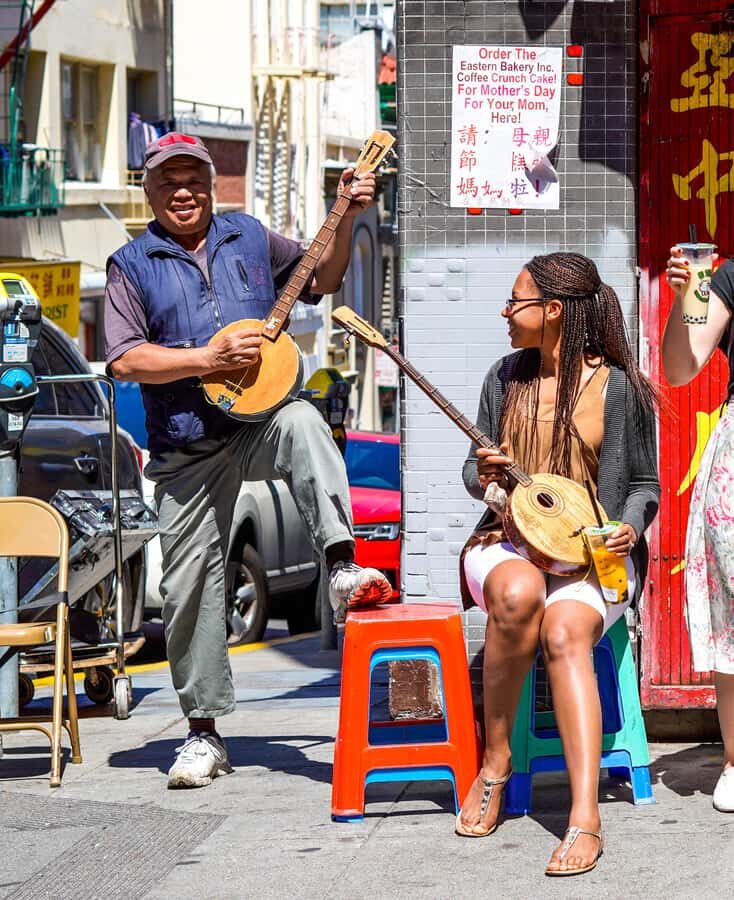
This part is the main event. The tour starts with a dim sum feast in Chinatown, and it’s not just a couple of dumplings for show. You’re working through a set of classic bites, then the meal expands into the sweet-and-savory sequence that keeps things interesting.
The included food set is straightforward:
- Dim sum
- Bubble tea
- Peking duck
- Dessert
That Peking duck detail matters. A lot of food tours lean heavily on small snacks. Here, duck gives you something more substantial so the meal feels like an actual lunch or dinner, not a sampler platter that disappears in ten minutes.
One practical note: dessert can vary. Based on what’s been experienced on the tour, you might see items like fruit mochi as part of the sweet stop. Either way, the goal is to end the meal on something light enough that the tea tasting later still feels good, not heavy.
Fortune cookie factory: seeing the process up close
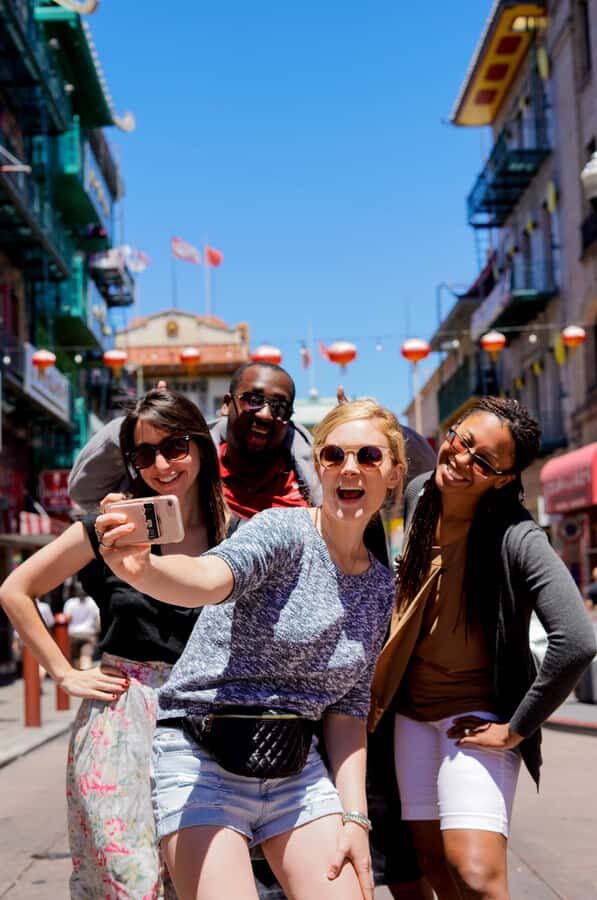
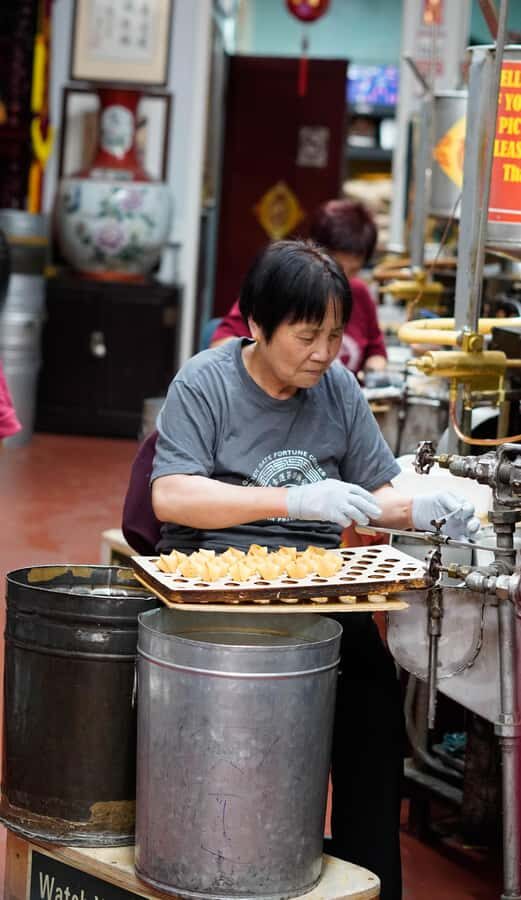
Next comes the stop people either love or shrug at—until they see how it works. The tour visits the first fortune cookie factory in the world, and the experience is built around watching the cookies being crafted, then sampling them fresh.
This is a fun checkpoint in the middle of Chinatown, because it turns a modern American-style tradition into something more tangible. You get to see the making process rather than just receiving a cookie and moving on. And yes, you’ll get your own fortune-cookie moment—exactly the kind of small interaction that makes a tour feel personal.
If you’re the type who likes food history that you can actually point to, this stop delivers. If you’re only interested in eating, it still works because you’re not leaving the food theme behind.
Bubble tea and hidden alleyways: the Chinatown story you don’t get from the main street
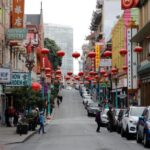
After the fortune cookie stop, you’ll hold onto a refreshing bubble tea and start walking through Chinatown’s lesser-known side streets. This is where the tour shifts from tasting to storytelling.
You’ll hear street-level context—old memories attached to real locations. Expect mentions of things like historic gambling halls, sailor-related tales, and the legend of 10-cent haircuts. None of this is meant to be trivia for trivia’s sake. It’s meant to explain why you see the mix you do: commercial storefronts beside everyday back alleys, modern signs beside remnants of older eras.
This part also works for practical sightseeing. If Chinatown feels intimidating because it’s so dense, the guide helps you “read” the neighborhood. You’re not wandering randomly. You’re moving with a reason, and that makes your photos (if you take them) and your mental map line up.
One consideration: alleyway walking can be tight. If you’re traveling with a small stroller or you’re not steady on your feet, talk with the operator ahead of time. The tour is wheelchair accessible, but narrow streets can still affect how easy it feels to maneuver.
Heritage pastries, 1906 survival, and Gold Rush echoes
The next stop adds a different kind of flavor: the kind you can taste through time. You’ll visit a historic, family-owned bakery and sample a classic Chinese pastry while walking past landmarks tied to Chinatown’s resilience.
Two specific story anchors come up:
- A resilient church that survived the 1906 earthquake
- A park connected to a former Gold Rush-era gathering place
Why this matters: it turns the neighborhood from a “place to eat” into a place that tells you something about continuity. Chinatown didn’t just happen as a restaurant row. It formed through survival, migration, and the everyday hustle of people trying to build a future.
Food and place match here. The pastry stop isn’t only about sweetness or salt. It’s about connecting what you’re eating to who kept showing up after disaster and change.




Picnic in the park (or a cozy fallback): savory rolls and roasted specialties
When the weather works, you may enjoy a picnic in the park. If not, you’ll switch to a cozy local eatery for more bites. Either way, you get another savory chapter to balance out the morning of sweets and tea.
This stop is described as including savory items like rolls and roasted specialties. The value here is simple: by the time you reach the end, you’re not just thinking about what you ate—you’re starting to notice how the tour builds a full meal arc:
- Dumplings and light bites
- A substantial anchor like duck
- Sweet dessert
- Another savory pause
- Tea to close it out
If you get motion-sick or you’re sensitive to weather changes, plan for the park alternative. Chinatown weather can shift quickly, and you don’t want to be stuck uncomfortable while waiting for the next stop.
Tea tasting at the end: why this tour slows you down
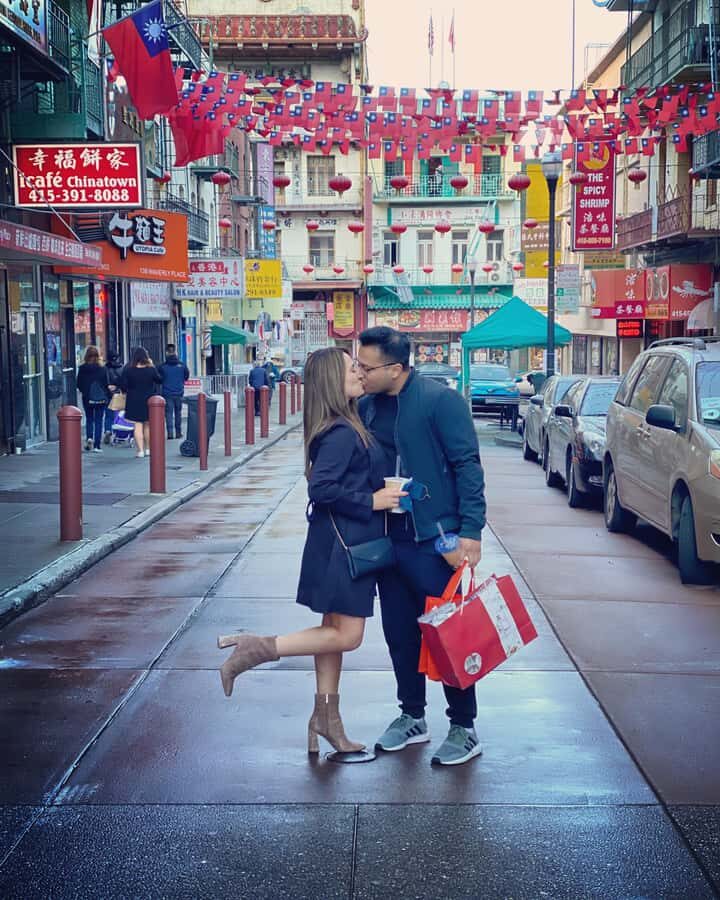
Most food tours end with a final bite and a fast goodbye. This one ends with a nostalgic tea shop and a real tea tasting. The point isn’t fancy tea-speak for show. It’s learning tea as a craft and as a part of Chinese culture.
You’ll sip, slurp (if that’s your style), and get an explanation of why tea matters—culturally and historically. That’s what makes the last stop feel different from the earlier ones. After eating, your senses reset. You can actually notice flavors and aromas instead of just chasing the next dish.
If the guide shares local stories during this portion, that’s often the part people remember most—because it’s calm after the street noise. And even if you’re not a tea person today, this is a good way to find out whether you’d like it with food, not just on its own.
Price and value: is $99 worth a full Chinatown meal?
Let’s talk money. $99 per person is not budget travel. The question is what you’re buying for that price.
Here’s what’s included:
- A full meal: dim sum, bubble tea, Peking duck, dessert
- Additional savory bites at the later stop
- Tea tasting
- Soft drinks
- A live English guide
- A small group of 10 or fewer
- Wheelchair accessibility
So you’re not just paying for narration. You’re paying for several guided food moments across multiple stops, plus tea. The “value” angle is really about structure: you get someone to bring you to the right places and tell you what you’re eating and why it matters, while you walk through Chinatown’s backstreets with purpose.
The downside is also fair. One person felt the tour was expensive for what you get. That can happen if you compare it to a self-guided strategy where you choose cheaper eats and buy tea separately. If you’re that traveler, you may feel $99 is too close to a normal restaurant bill.
My practical take: this price makes sense if you want a curated flow, don’t want to figure out where to eat, and you enjoy learning while you eat. If you’re mostly after quantity, you might want to consider eating on your own and just planning one good tea stop.
Who should book this Chinatown dim sum and tea tour
This tour fits best if you:
- Want a guided plan for Chinatown that doesn’t require research
- Like food with context, especially tea and food traditions
- Enjoy walking and learning your way through the neighborhood
- Prefer a small group experience rather than a huge crowd
It’s less ideal if:
- You’re traveling with children under 7 (this one isn’t recommended for them)
- You’re hoping for alcohol or a bar-like experience (alcohol isn’t included)
- You want a lot of time sitting still. This is an eat-and-walk format.
Also note: kids under 2 are free, but kids above age 7 need a full ticket (and there are no kids meals). If that affects your family math, check first before booking.
Should you book this tour?
If you want a focused Chinatown experience—dim sum plus duck plus tea, spread across real places—you should seriously consider booking. The combination of tasting variety and the tea tasting finish gives the tour a clean arc, not just a list of snacks.
I’d book especially if you’re visiting for the first time and Chinatown feels like a maze. The route through hidden alleyways and the fortune cookie factory stop turn the neighborhood into something you can understand, not just something you pass through.
Skip it if you’re chasing maximum food for the lowest price, or if you don’t care about tea culture at all. For those travelers, you may get a similar meal by choosing your own spots and spending your money more directly.
FAQ
FAQ
Where is the meeting point?
The guide meets you outside House of Dim Sum.
How long is the tour?
It lasts 3 hours.
How big is the group?
It’s a small group limited to 10 participants or less.
What food is included?
The tour includes dim sum, bubble tea, Peking duck, and dessert, plus soft drinks.
Is tea tasting included?
Yes. Tea tasting is part of the tour and is done at the end.
Do you visit a fortune cookie factory?
Yes. You’ll visit a fortune cookie factory and see cookies being crafted, then sample them fresh.
Are alcoholic drinks included?
No, alcoholic drinks are not included.
Is this tour suitable for young children?
It is not recommended for children under 7. Children under 2 are free, and anyone above 7 needs a full ticket (no kids meals).
Are pets allowed?
No, pets are not allowed.
What are the cancellation and payment options?
You can cancel up to 24 hours in advance for a full refund. You can also reserve now and pay later.