REVIEW · SAN FRANCISCO
Asian-European Fusion Class in San Francisco (With 4-Course Meal)
Book on Viator →Operated by Cozymeal Cooking Classes · Bookable on Viator
Food fusion with a live chef. In San Francisco, this small class (up to 8) turns Asian-European fusion into a hands-on four-course meal you make step by step, from bamboo basket dumplings to a caramel fruit dessert.
I love that the format is relaxed and practical, so you’re cooking (not just watching) and learning real technique and plating habits as you go. I also like that the menu balances recognizable comfort with a few surprising flavors, including Philippine chicken adobo.
One consideration: it’s a BYOB setup, so you’ll want to bring your own wine or beer and plan around the timing (it’s designed to start right on schedule).
In This Review
- Key things to know before you go
- Asian-European fusion in San Francisco: what the class feels like
- The four-course menu flow (and why it matters)
- Starter: bamboo basket steamed dumplings and dipping sauce strategy
- Main course focus: Philippine chicken adobo done for real
- Chef’s fusion dish + rice choice: how you personalize the plate
- Dessert workshop: caramelized fruit, ice cream, and citrus balance
- Why the small group and chef teaching style are the real value
- Price and value: is $145 fair for a 2.5-hour SF meal class?
- Practical tips so you get the best experience
- Who should book this, and who might skip it
- Should you book? My take
- FAQ
- How much does the Asian-European Fusion cooking class cost?
- How long is the class?
- Where is the meeting point?
- What’s included in the 4-course meal?
- Is it hands-on or mostly a demonstration?
- Are wine or beer included?
- How many people are in the class?
- Can the class accommodate dietary needs?
- Can I get a full refund if I cancel?
Key things to know before you go
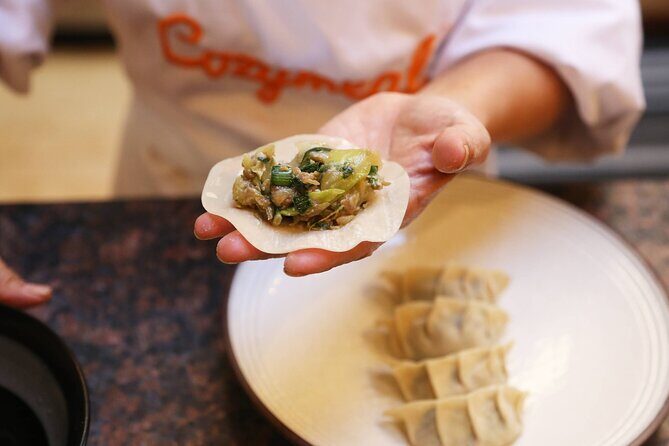
- Max 8 guests means you get more attention while you’re chopping, mixing, and plating.
- Four courses, all included: dumplings, adobo, a rotating chef fusion dish, plus rice and dessert.
- BYOB is part of the vibe, so bring a drink you’ll actually want with your meal.
- Chef-led step-by-step teaching keeps things clear, even if you’re not a confident cook.
- Rice choices (including saffron risi e bisi or garlic rice) let you tailor the final plate.
- Dietary needs can be accommodated if you tell them in advance.
Asian-European fusion in San Francisco: what the class feels like
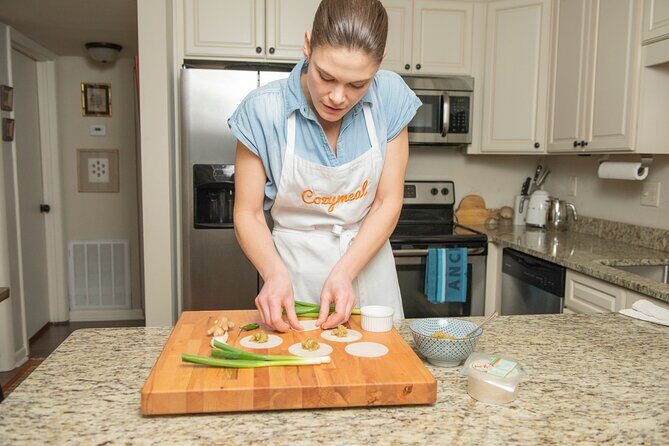
This is the kind of cooking class that makes sense if you want to eat well without needing a food degree first. You’ll be in a small room, with a small group, working through a full four-course menu. The teaching style is built for flow: you learn, you do, you taste, you adjust. The end result isn’t just dinner. It’s a set of techniques and flavor ideas you can reuse later.
What makes it interesting is the blend. You’re not doing one cuisine in one lane. You’ll move across Asian flavors and European-style comfort moves—dough, sauces, simmering, and plated desserts—with a chef guiding you throughout. In one recent class session, the chef Dirk stood out for being engaging and funny while still keeping directions clear, which is a big deal when you’re cooking with several steps at once.
The other big factor is pacing. At about 2 hours 30 minutes, it’s long enough to actually cook multiple dishes, but not so long that you’ll get tired or bored mid-course. If you’re planning an evening in San Francisco, this class also fits cleanly: you start and finish back at the meeting point.
You can also read our reviews of more tours and experiences in San Francisco

The four-course menu flow (and why it matters)
You’ll build your meal in four stages, matching the menu’s natural order: starter, main, chef’s fusion selection, and dessert. That matters because each course teaches a different kind of skill.
Here’s the menu structure you’ll work on:
- Starter: Bamboo basket steamed dumplings with dipping sauces
- Main: Philippine chicken adobo
- Chef’s fusion dish: a rotating intercontinental-style option (examples include garlic noodles, or noodle soup with beef balls and bok choy)
- Side: one of the rice options—white basmati, saffron risi e bisi, or garlic rice
- Dessert: Seasonal caramelized fruits with ice cream and citrus
For you, the value is the variety of technique. Dumplings build confidence with filling and steaming. Adobo teaches how vinegar and soy create that signature savory-sweet balance. The fusion course shows how ingredients and textures can swap cuisines without losing identity. And dessert ties it together with fruit, caramelization, cold creamy ice cream, and citrus brightness.
Starter: bamboo basket steamed dumplings and dipping sauce strategy
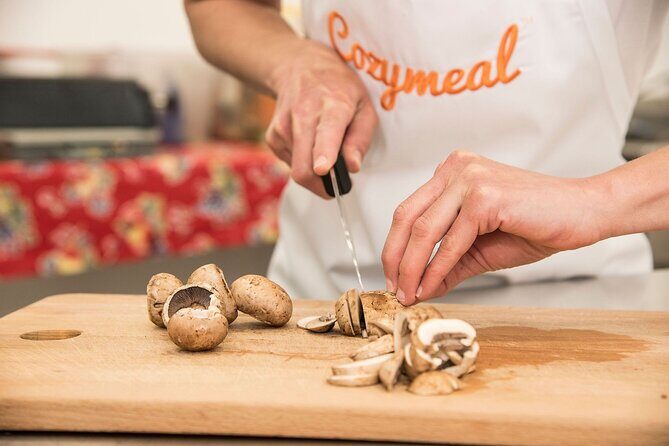
The starter is dumplings made the way you’d actually want to eat them: gently steamed in a bamboo basket, with filling that’s seasoned and ready to taste rich once cooked. Dumplings can feel intimidating, but the format here is step-by-step, and the focus is on practical progress.
You’ll also spend real attention on the dipping sauces, which is where most people learn something new. Dumplings without good sauce are just food. Good sauce turns them into a full flavor experience—salty, tangy, and sometimes a little sweet, depending on what you mix or adjust. Even if you don’t memorize a perfect recipe on the spot, you’ll walk away understanding how to build a sauce to match the filling.
A small-group class helps because sauces and dumplings both need timing. If you’re waiting too long, dumplings lose their best texture. If the sauce isn’t balanced, you’ll notice immediately when you taste. That feedback loop is exactly what makes hands-on classes worth it.
Main course focus: Philippine chicken adobo done for real
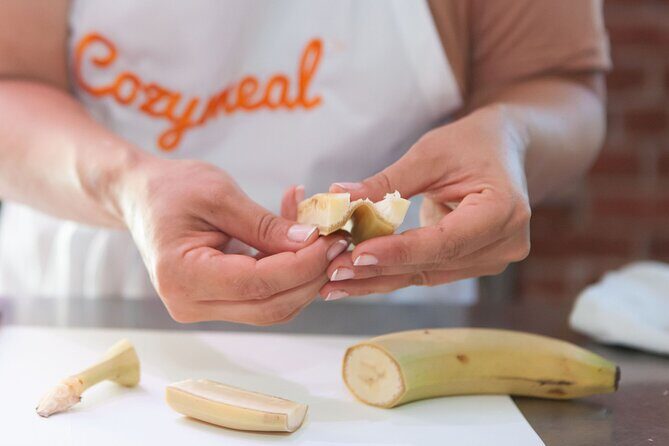
The main course is Philippine chicken adobo, simmered with garlic, soy sauce, vinegar, and bay leaves. Adobo is one of those dishes that teaches you a lesson about seasoning. It’s not just salt. It’s the combination of soy + vinegar doing the balancing act.
Here’s what you’ll be learning in the way the flavors are built:
- Garlic adds sharp aroma and savory depth.
- Soy brings saltiness and a deep umami base.
- Vinegar adds brightness that keeps the dish from becoming heavy.
- Bay leaves give a gentle herbal note that makes the whole pot taste “finished.”
You’ll likely notice that the kitchen smells very different while the adobo simmers. That’s a sign the sauce is changing and becoming cohesive. And when you plate, you’re not just putting food on a plate—you’re learning how to match adobo’s saucy character with your rice side so each bite makes sense.
Chef’s fusion dish + rice choice: how you personalize the plate
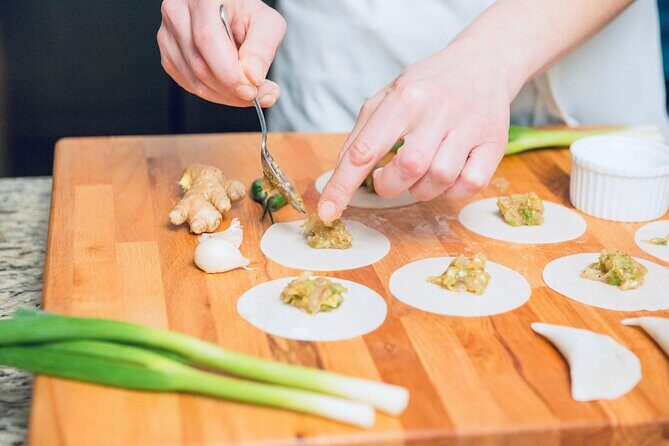
After adobo, you’ll move to the chef’s Asian intercontinental fusion selection of the day. The menu doesn’t lock you into one option; it rotates based on season and ingredients. In the examples you may see, the fusion dish could be things like garlic noodles or a noodle soup with beef balls and bok choy.
This part is useful because it shows you what fusion really means in a practical kitchen:
- It’s not random mixing.
- It’s ingredient logic—how a cooking method and sauce style can travel to a different base.
Then you’ll choose a rice side, picking from:
- White basmati
- Saffron risi e bisi
- Garlic rice
That choice is more important than it sounds. Rice changes the whole bite. Basmati keeps the meal lighter and more aromatic. Risi e bisi adds a creamy, comforting feel that can pair well with saucier dishes. Garlic rice brings punch and aroma so even a simple forkful tastes complete.
If you like tasting and adjusting while you cook, this is your moment. You can align the rice with the day’s fusion dish and make the final plate feel intentional, not just assembled.






Dessert workshop: caramelized fruit, ice cream, and citrus balance
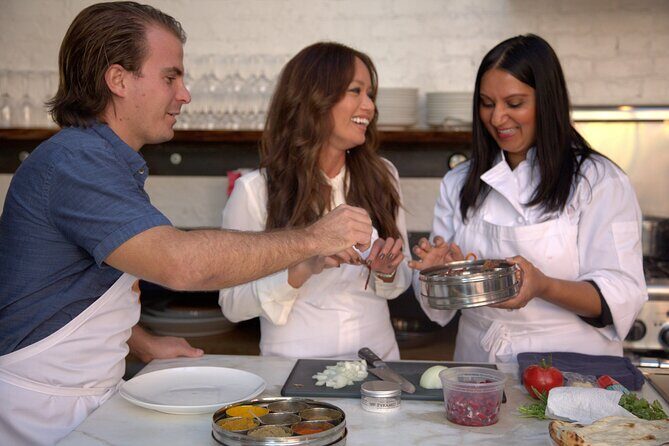
Dessert here isn’t a sugary afterthought. It’s seasonal caramelized fruits served with ice cream and citrus. That combination teaches a classic pairing idea: warm, caramelized fruit against cool cream, then a citrus hit to keep everything from turning one-note sweet.
From a technique standpoint, caramelization is all about attention and timing. From a flavor standpoint, it’s about getting sweetness without bitterness. And with the ice cream and citrus on top, you also learn how contrasts make dessert feel more grown-up and less “just sweet.”
If you’re the type who cares about how meals end, you’ll like this section. It gives your food journey a satisfying close and makes the whole meal feel like a real, complete menu rather than separate components.
Why the small group and chef teaching style are the real value
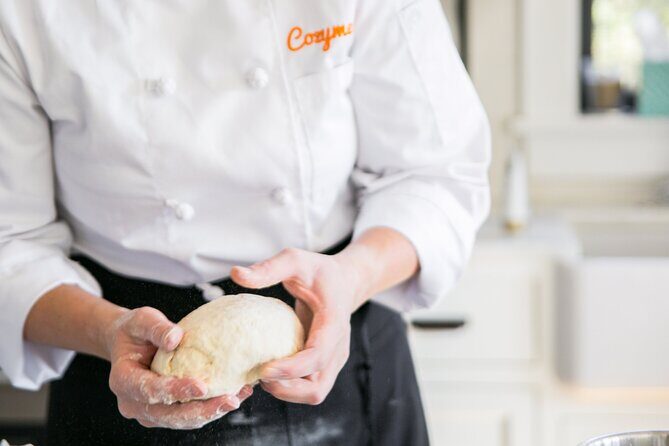
This class is capped small—8 guests—which changes everything. You can’t hide in a large room when you’re actively cooking. Questions come up naturally, and the chef can actually see what you’re doing. That’s how you improve faster: you get immediate corrections and feedback.
The vibe also tends to be friendly. One session led by Dirk was remembered for being engaging, clear, and funny, which matters because cooking classes can get stressful when directions are unclear. In a supportive setting, you’re more likely to try the next step, even if you’re not sure.
You’re also not stuck with just one cooking station where you do the same thing for the entire time. The course setup encourages rotation through different tasks—dumpling prep, simmering adobo, cooking the fusion dish, and finishing with dessert—so your brain stays awake and your confidence builds.
And yes, you can bring your own wine or beer. That means you can turn it into a casual date-night or a fun group dinner plan, especially if you like pairing food and drinks. Just remember: it’s still a working kitchen event, so keep your focus during active cooking moments.
Price and value: is $145 fair for a 2.5-hour SF meal class?
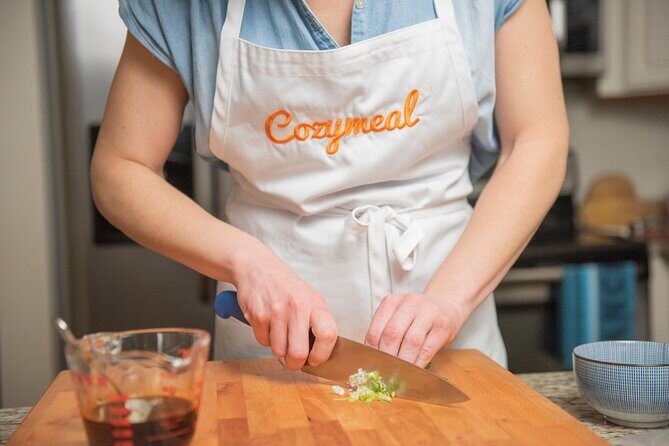
At $145 per person, you’re paying for three things at once: instruction, ingredients, and a full four-course meal’s worth of food you cook and eat.
Here’s how that price can feel fair:
- You’re not just sampling food; you’re making it, which usually means ingredient costs and time are built in.
- The class size is small, so the per-person teaching attention stays high.
- You leave with a complete dinner experience, not a couple of bites.
And here’s where you should check your expectations:
- Drinks aren’t included, because it’s BYOB. If you want wine or beer with your meal, factor that into your budget.
- The experience is about cooking, not sightseeing. If you’re hoping for a guided walking tour around food neighborhoods, this won’t replace that.
For many visitors, the best value is the learning. If you go in curious—ready to cook dumplings, understand adobo flavor logic, and practice plating—you’ll probably feel like the meal is a bonus.
Practical tips so you get the best experience
I’d treat this like a real dinner commitment. Plan to arrive with a little breathing room, but don’t over-plan for early hanging around. One practical note from past guests: arriving early didn’t feel helpful because the class starts right on the scheduled time.
Also, decide your comfort level with cooking ahead of time:
- If you’re a beginner, it helps to expect a guided pace and ask questions fast. Small groups make it easier.
- If you’re an experienced cook, you’ll still get value by watching how the chef balances flavors and textures, especially the sauces and the fusion dish logic.
Finally, think about dietary needs before you go. The class is designed to accommodate different dietary needs, but you have to let them know in advance for the best chance at tailoring.
Who should book this, and who might skip it
Book this if you want:
- A hands-on dinner in San Francisco with real instruction
- A fun challenge that still feels relaxed
- A mix of Asian flavors and European-leaning comfort techniques
- A small-group experience that doesn’t feel crowded
Skip it if you want:
- A long, in-depth restaurant-style tasting with zero cooking
- A class that’s more about tasting than making
- A BYOB-free evening (because you’ll need to bring your own drink)
This works especially well for couples and small groups who want a shared activity that ends with a meal you can actually talk about.
Should you book? My take
If you like cooking classes that teach while you work, this is a strong pick. The small group size, the full four-course menu, and the fact that you’ll learn dumpling technique, adobo flavor building, and sauce-and-rice pairing all point to real value—especially at $145 for a complete dinner you cook yourself.
The only reason I’d hesitate is if you really want drinks handled for you or you prefer experiences that are mostly observation. Otherwise, this is one of those SF food activities that feels like a memory you can recreate at home.
FAQ
How much does the Asian-European Fusion cooking class cost?
The price is $145.00 per person.
How long is the class?
The duration is about 2 hours 30 minutes.
Where is the meeting point?
The class starts at 90 Alvarado St, San Francisco, CA 94110.
What’s included in the 4-course meal?
You’ll make and eat a four-course menu: bamboo basket steamed dumplings with dipping sauces, Philippine chicken adobo, a rotating chef’s fusion dish, rice (white basmati, saffron risi e bisi, or garlic rice), and a dessert of seasonal caramelized fruits with ice cream and citrus.
Is it hands-on or mostly a demonstration?
It’s hands-on. You’ll cook as the chef guides you step by step.
Are wine or beer included?
No. This is a BYOB event, so you’re welcome to bring wine or beer.
How many people are in the class?
The class is limited to just 8 guests, with a maximum of 25 travelers for the activity overall.
Can the class accommodate dietary needs?
Yes. It’s designed to accommodate a variety of dietary needs, and you should let them know in advance.
Can I get a full refund if I cancel?
Yes. You can cancel for a full refund if you cancel at least 24 hours before the experience’s start time. Free cancellation is available.